Chemical UV Filters
Sunscreen UV filters
Chemical (organic) UV filters absorb ultraviolet light before it can damage the skin. Most sunscreens combine several to cover both UVB, which causes burning, and UVA, which drives skin ageing. They are thin, invisible on the skin and effective, and sunscreen use is clearly linked with lower skin cancer risk.
What is Chemical UV Filters?
Organic filters that absorb UV light to protect skin from sun damage, used in many SPF products. Effective and widely used; a minority of people with reactive skin find some filters sensitising.
In skincare terms, Chemical UV Filters is a UV filter that helps protect skin from the sun’s rays.
How chemical filters work
Each filter absorbs a particular range of UV wavelengths and releases the energy as a small amount of heat. Because no single filter covers everything, products combine them — for example avobenzone (butyl methoxydibenzoylmethane) for UVA with others for UVB. Mineral filters (zinc oxide and titanium dioxide) work mainly by absorbing UV too, but sit on the skin as particles and can leave a white cast.
Why sunscreen is worth it
In a long-running Australian trial, people assigned to daily sunscreen use for four years had 11 new melanomas over the following decade, against 22 in those who used it when they chose to; the drop in invasive melanomas was clearer still (Green 2011). Daily use also protects against sunburn and visible sun damage.
Absorption and safety
A US FDA study found that six common filters were absorbed into the blood after heavy, repeated application under test conditions (Matta 2020). Absorption doesn't mean harm; the authors said the findings don't mean people should stop using sunscreen. In the EU, Regulation (EU) 2022/1176 lowered the limits for benzophenone-3 (oxybenzone) and octocrylene after safety reviews. Cosmetics law in Great Britain is set separately.
How to use sunscreen
- Use enough: the NHS suggests around 2 teaspoons to cover your head, arms and neck — most people apply far less than this.
- Apply as the last step of your morning routine and reapply after swimming, sweating or towelling, and every two hours in strong sun.
- Look for SPF 30 or higher plus a UVA rating such as a UVA logo or high star rating.
Side effects
Most people tolerate chemical filters well. A minority with reactive skin get stinging — especially around the eyes — or, rarely, an allergy to a specific filter. If that happens, try a mineral-only sunscreen.
Where you'll find it
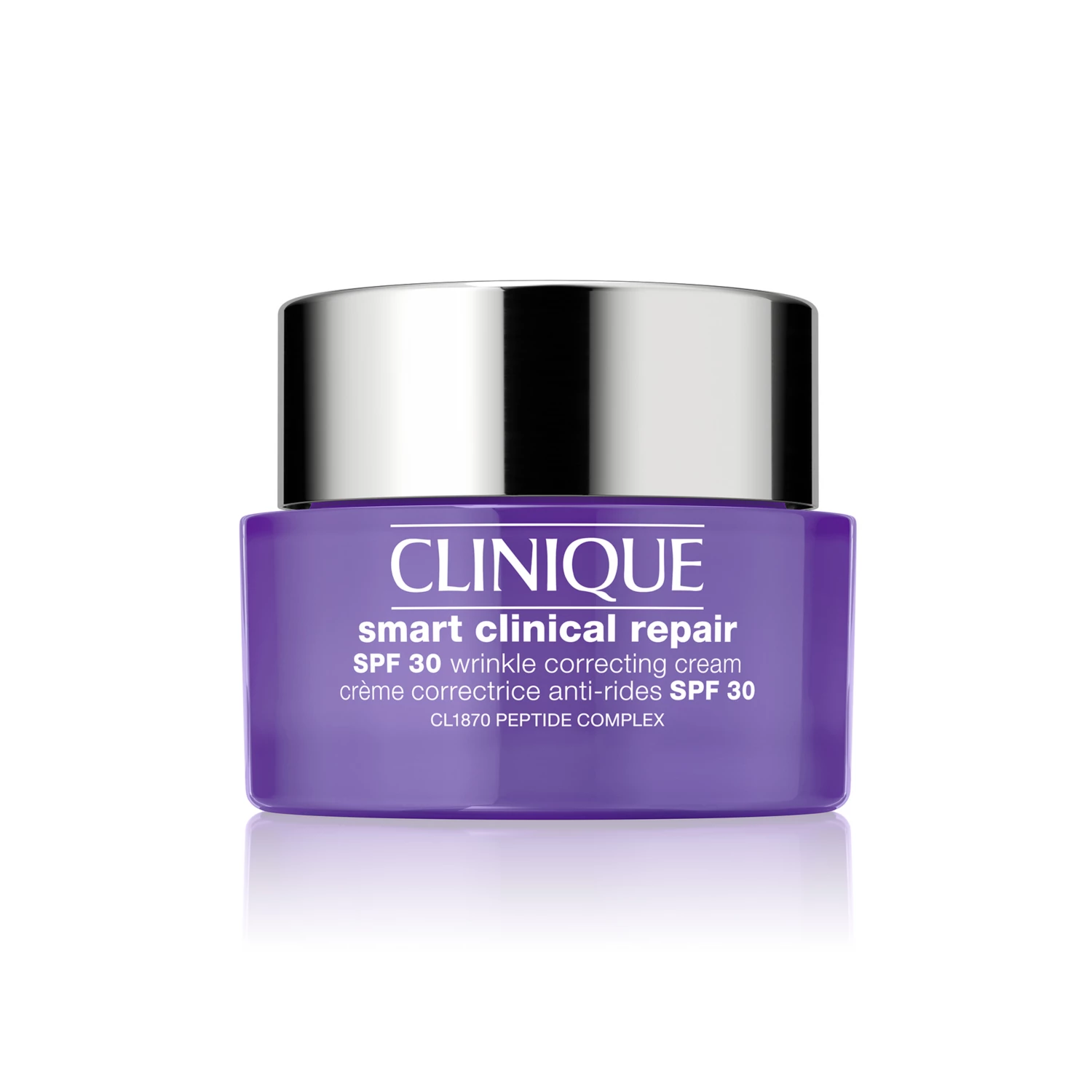
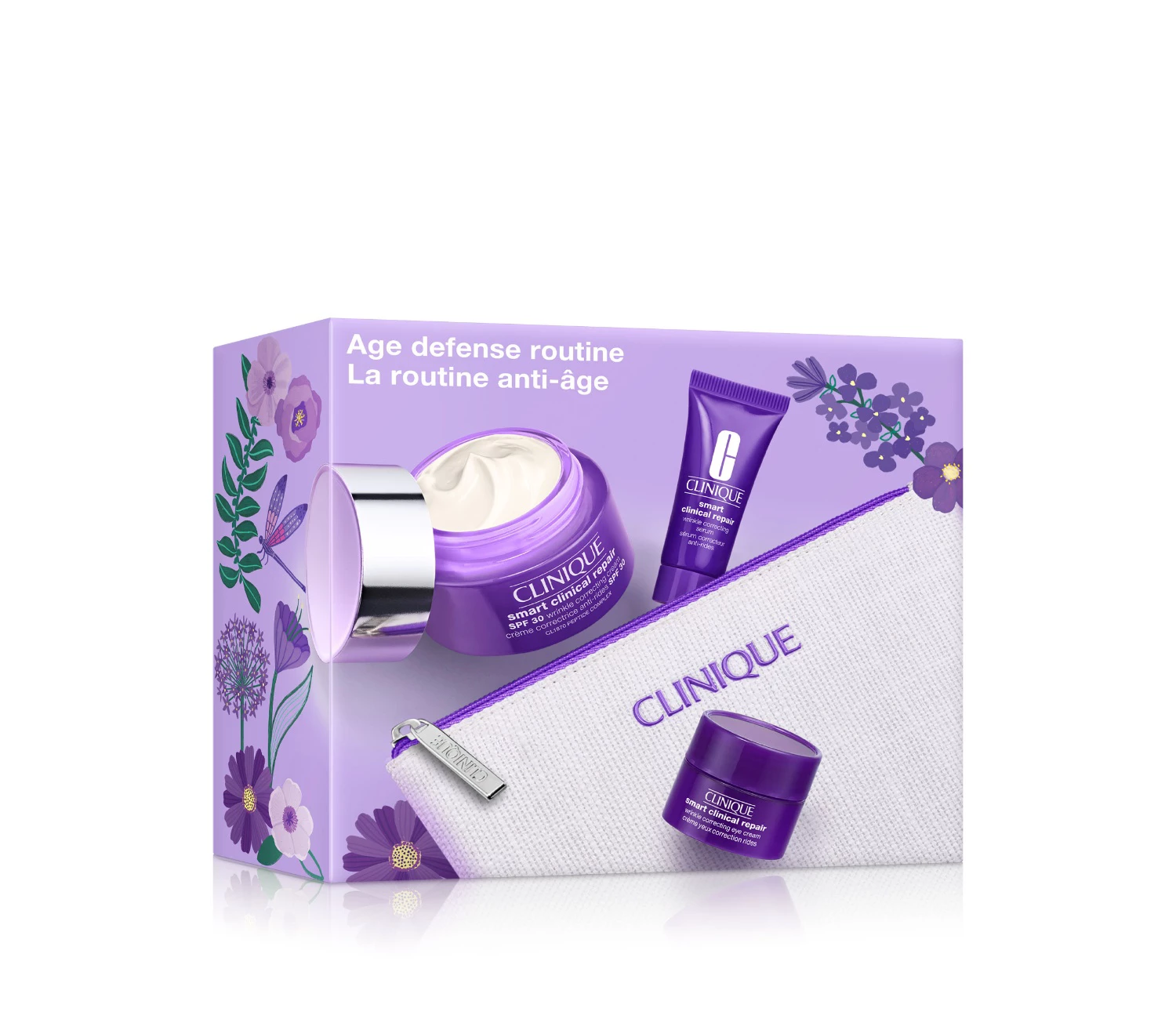
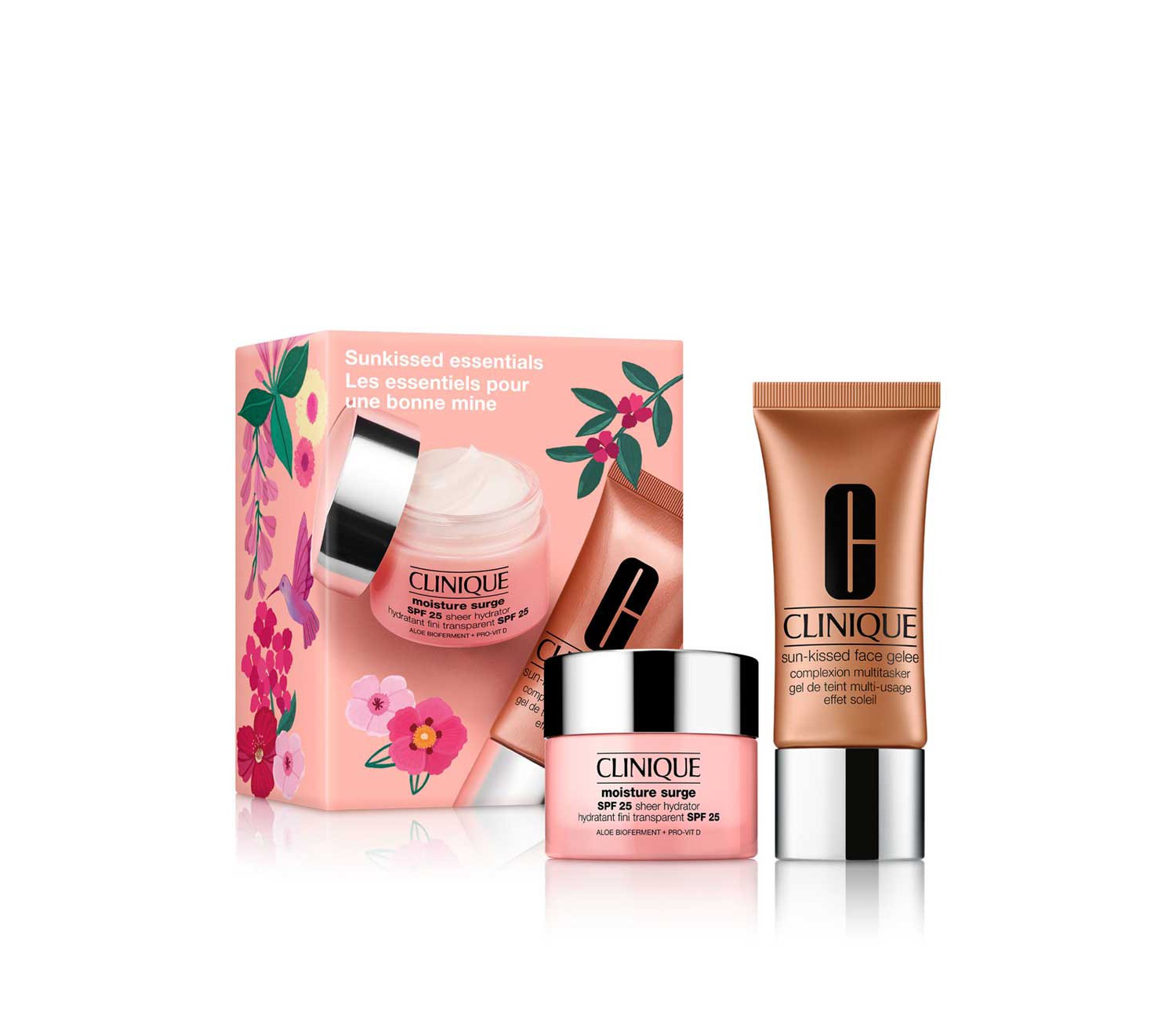
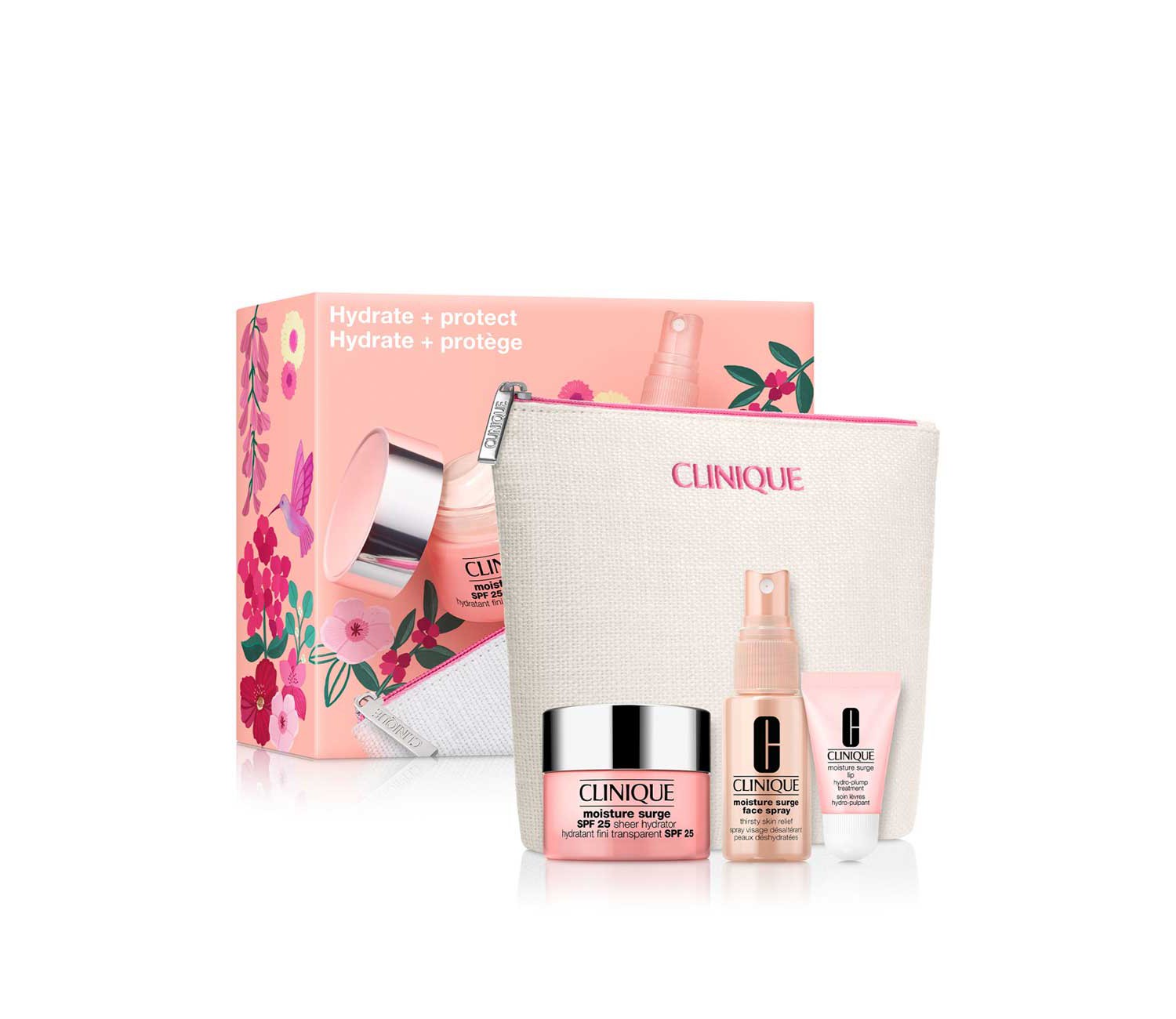
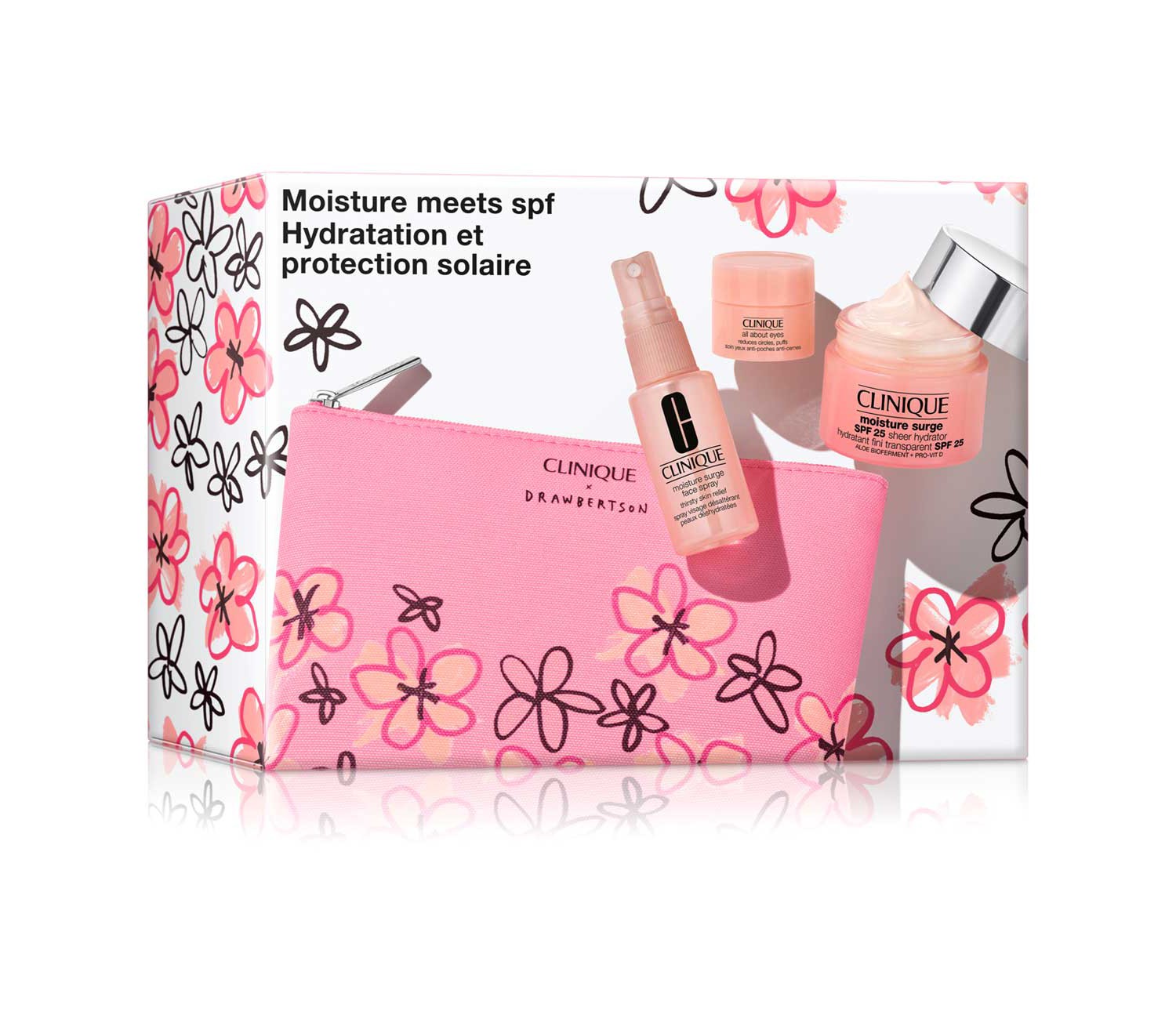
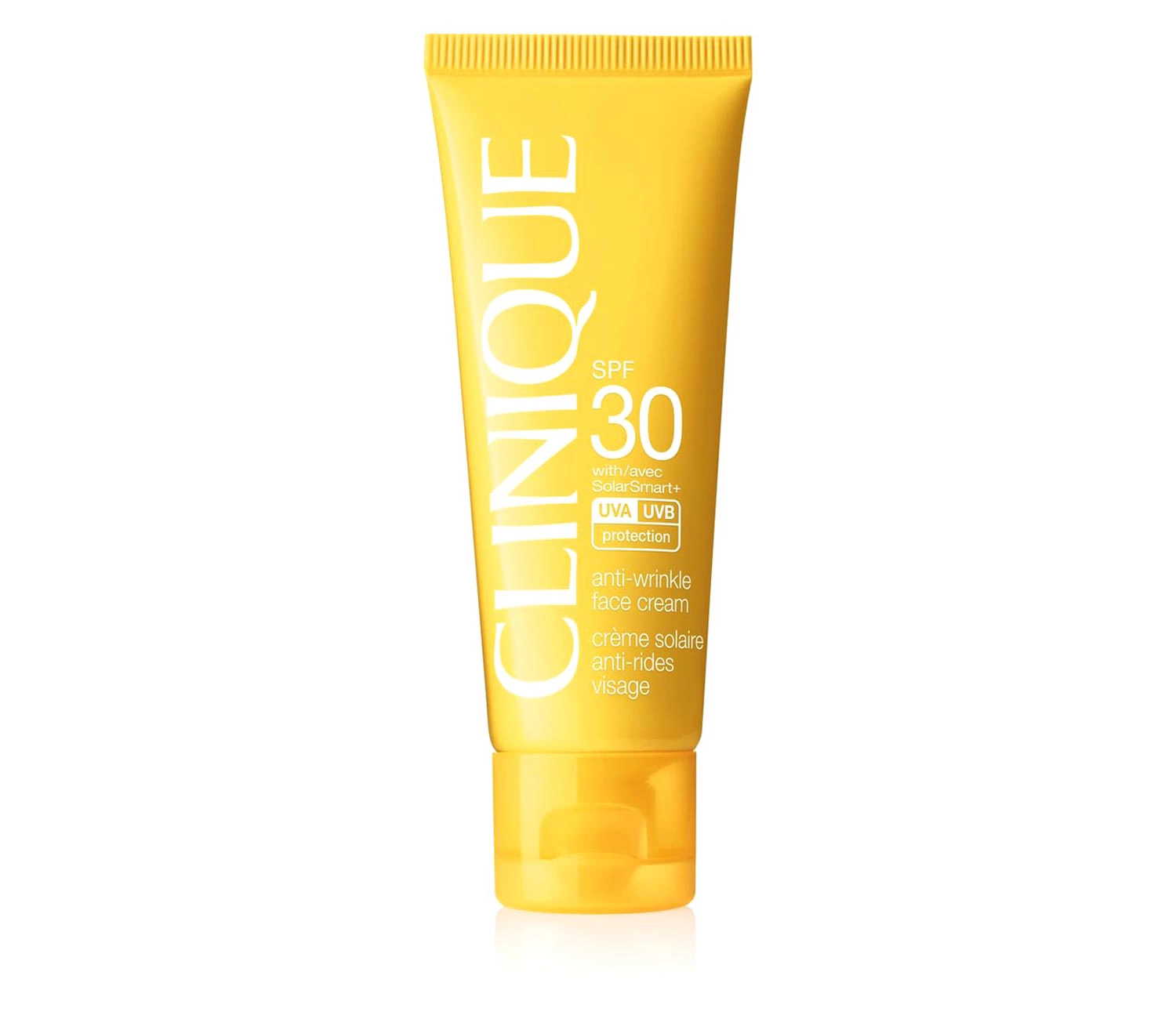
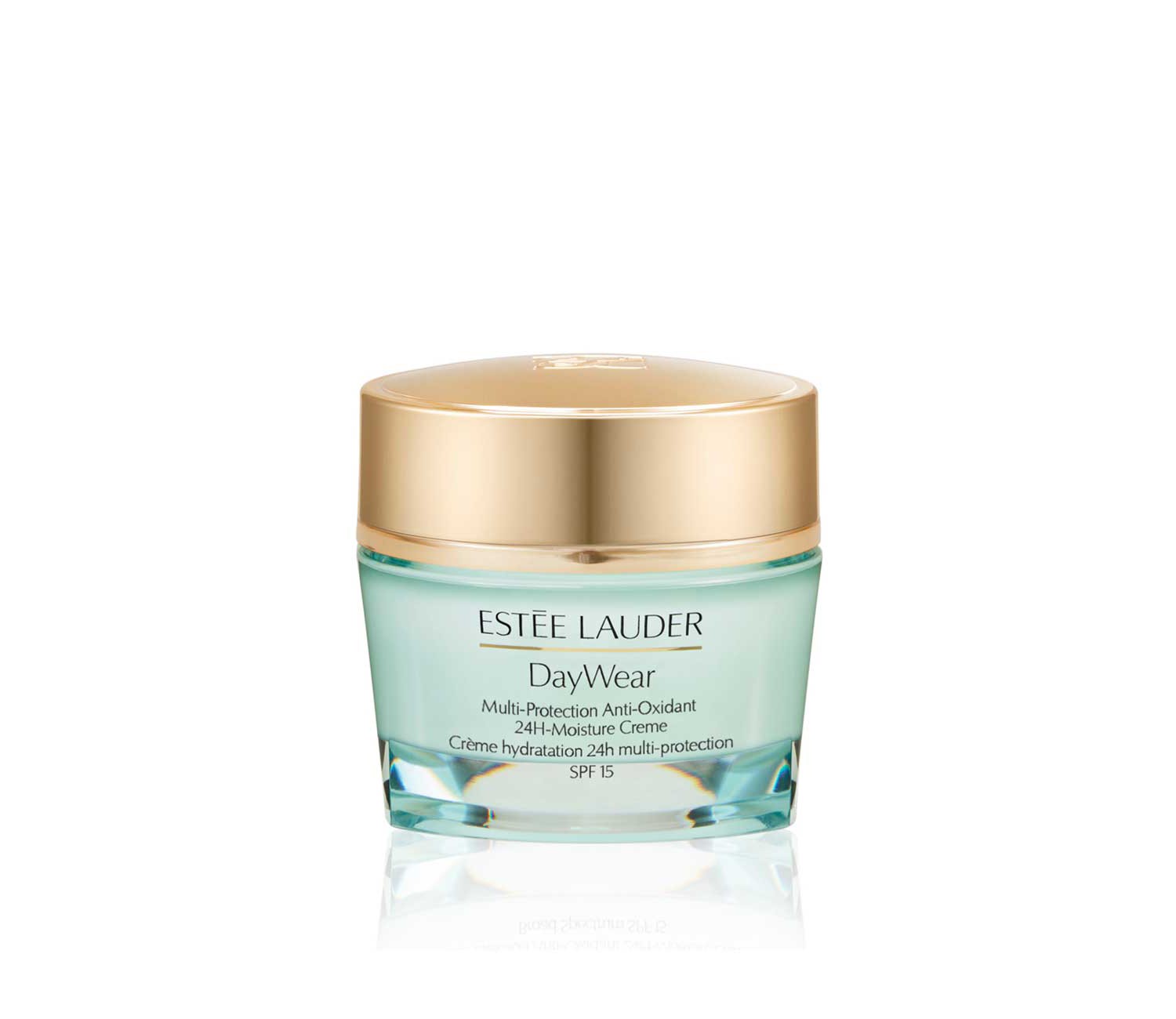
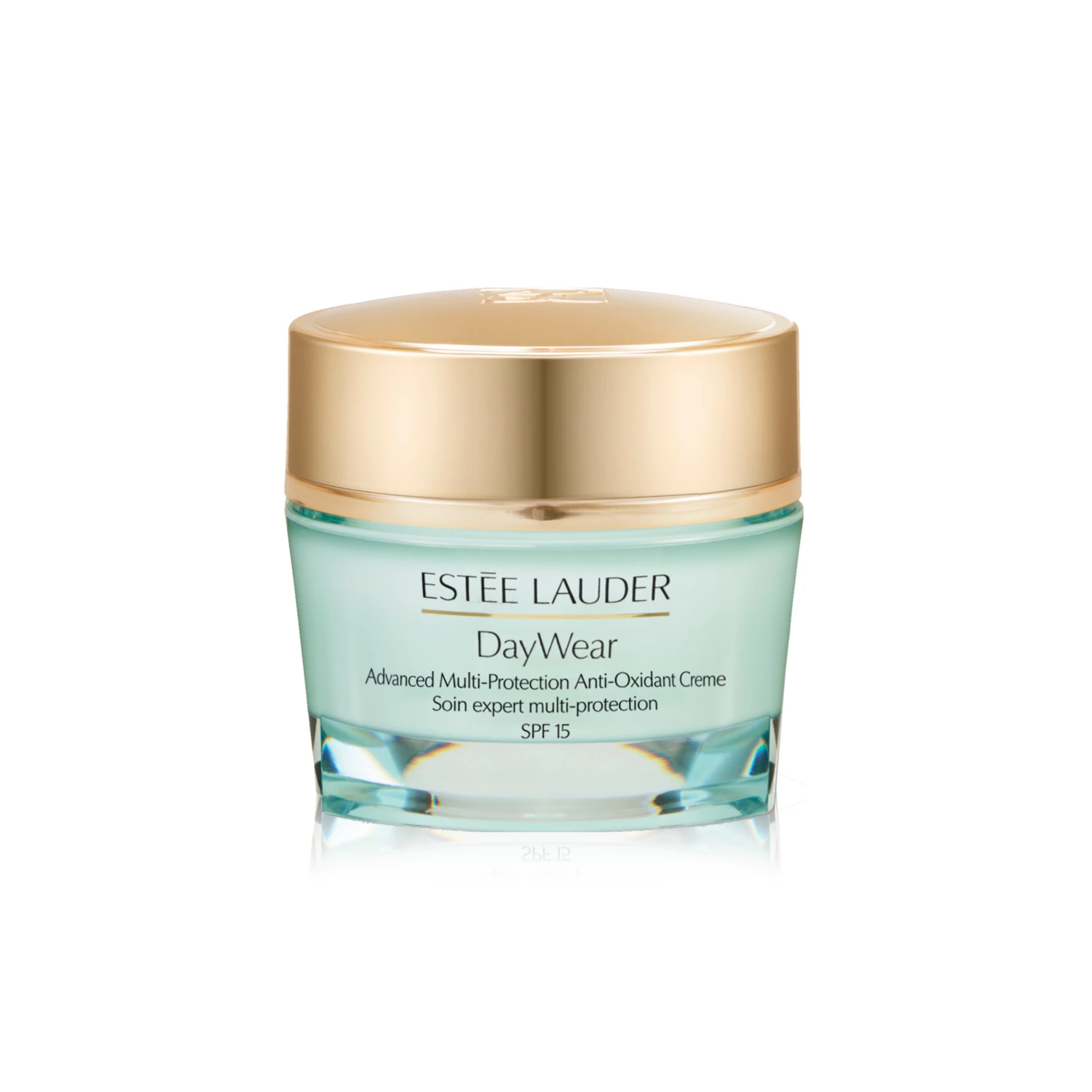
In our catalogue, Chemical UV Filters appears in spf, moisturisers, sets, serums and more.
Also listed as
On an ingredients label (INCI), Chemical UV Filters may appear as: ethylhexyl salicylate, butyloctyl salicylate, ethylhexyl methoxycinnamate, octocrylene, butyl methoxydibenzoylmethane, homosalate, ethylhexyl triazone, bis-ethylhexyloxyphenol methoxyphenyl triazine, diethylamino hydroxybenzoyl hexyl benzoate, phenylbenzimidazole sulfonic acid, drometrizole trisiloxane, octinoxate, octisalate, avobenzone, oxybenzone, octocrylene, homosalate, ensulizole, meradimate, ethylhexyl methoxycrylene, benzophenone-4, benzophenone-3, polysilicone-15, tris-biphenyl triazine, terephthalylidene dicamphor sulfonic acid, methoxypropylamino cyclohexenylidene ethoxyethylcyanoacetate, diethylhexyl butamido triazone, disodium phenyl dibenzimidazole tetrasulfonate, methylene bis-benzotriazolyl tetramethylbutylphenol, methylene bis-benzotriazolyl tetramethylbutylphenol nano.
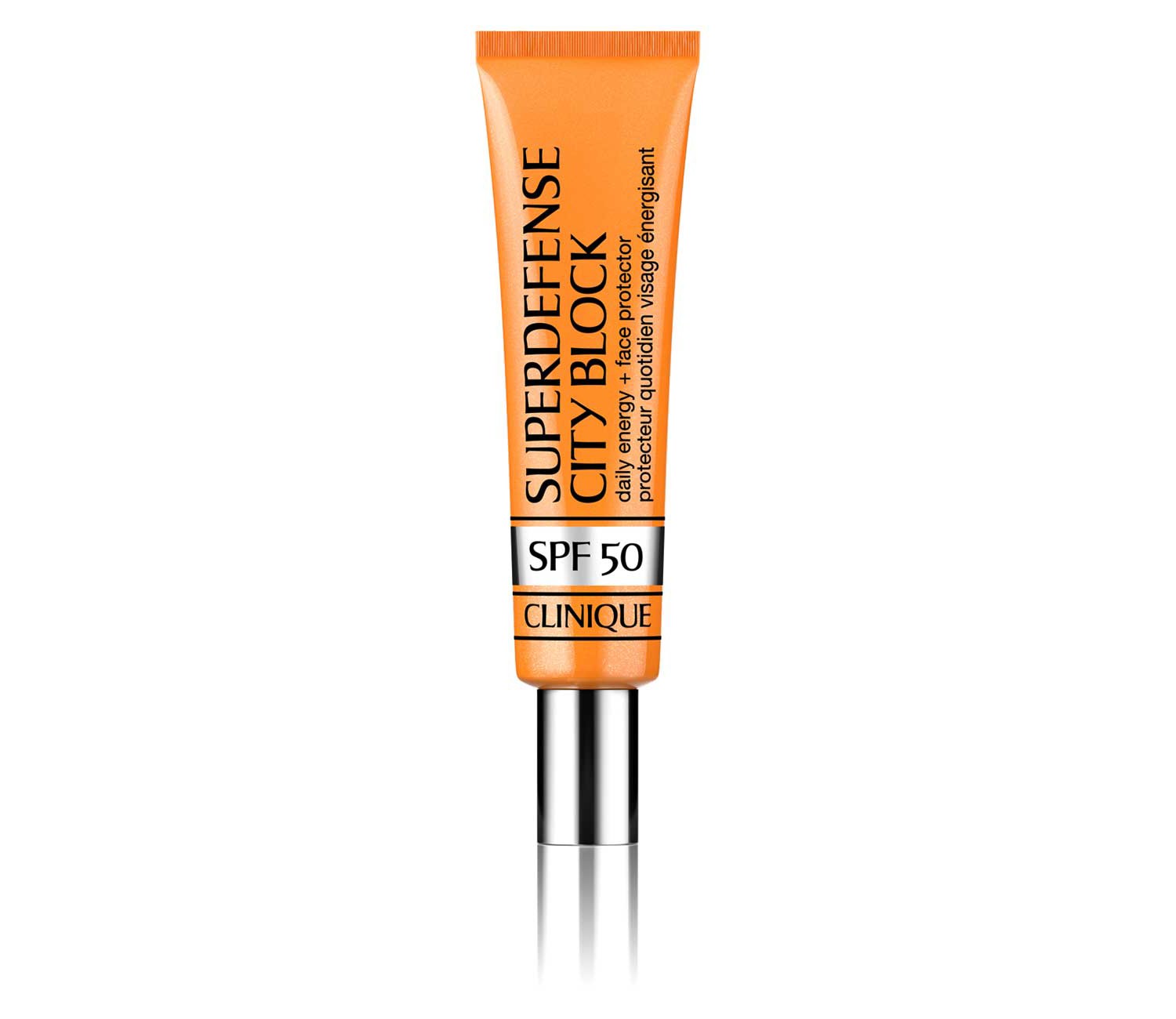
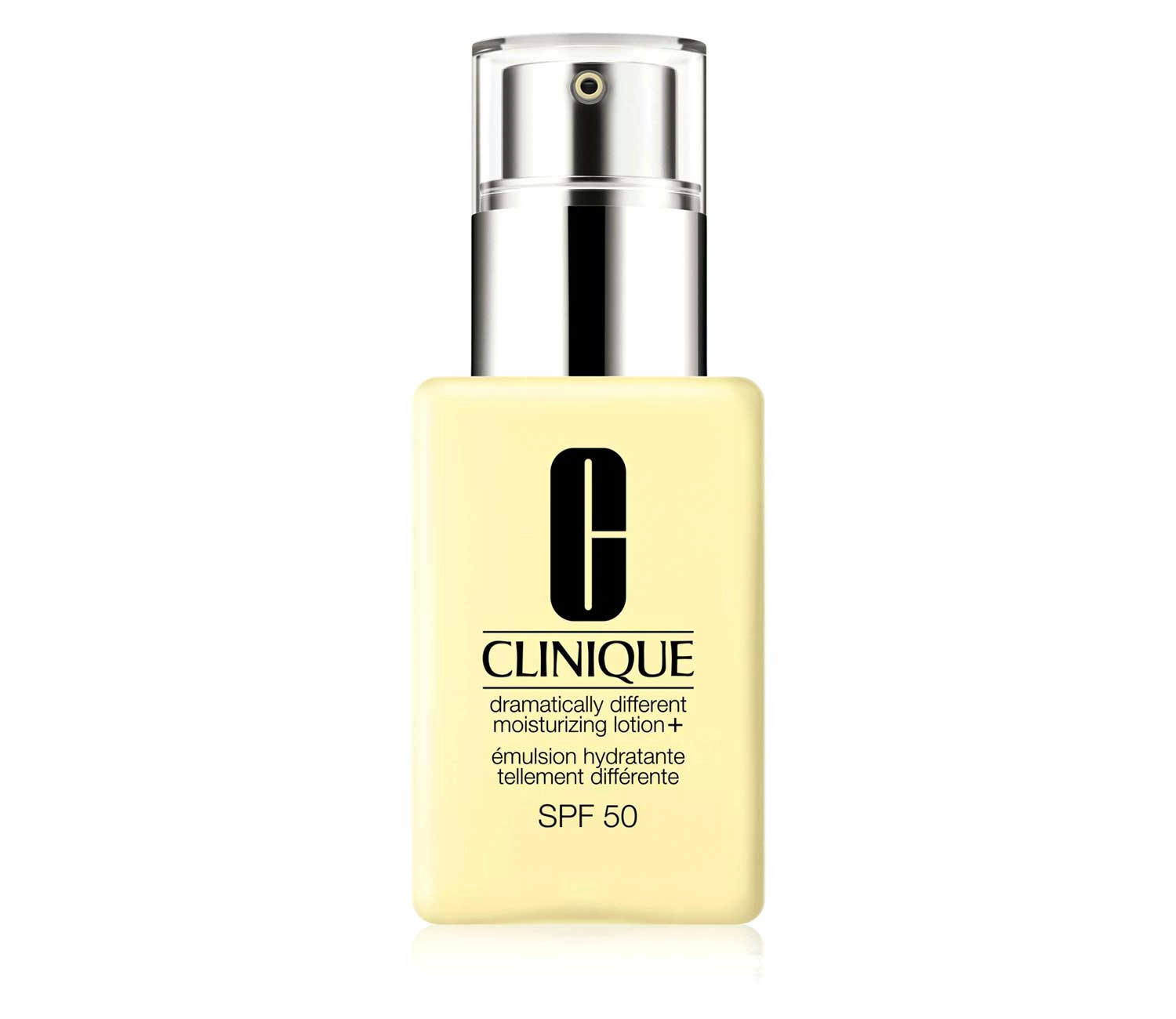
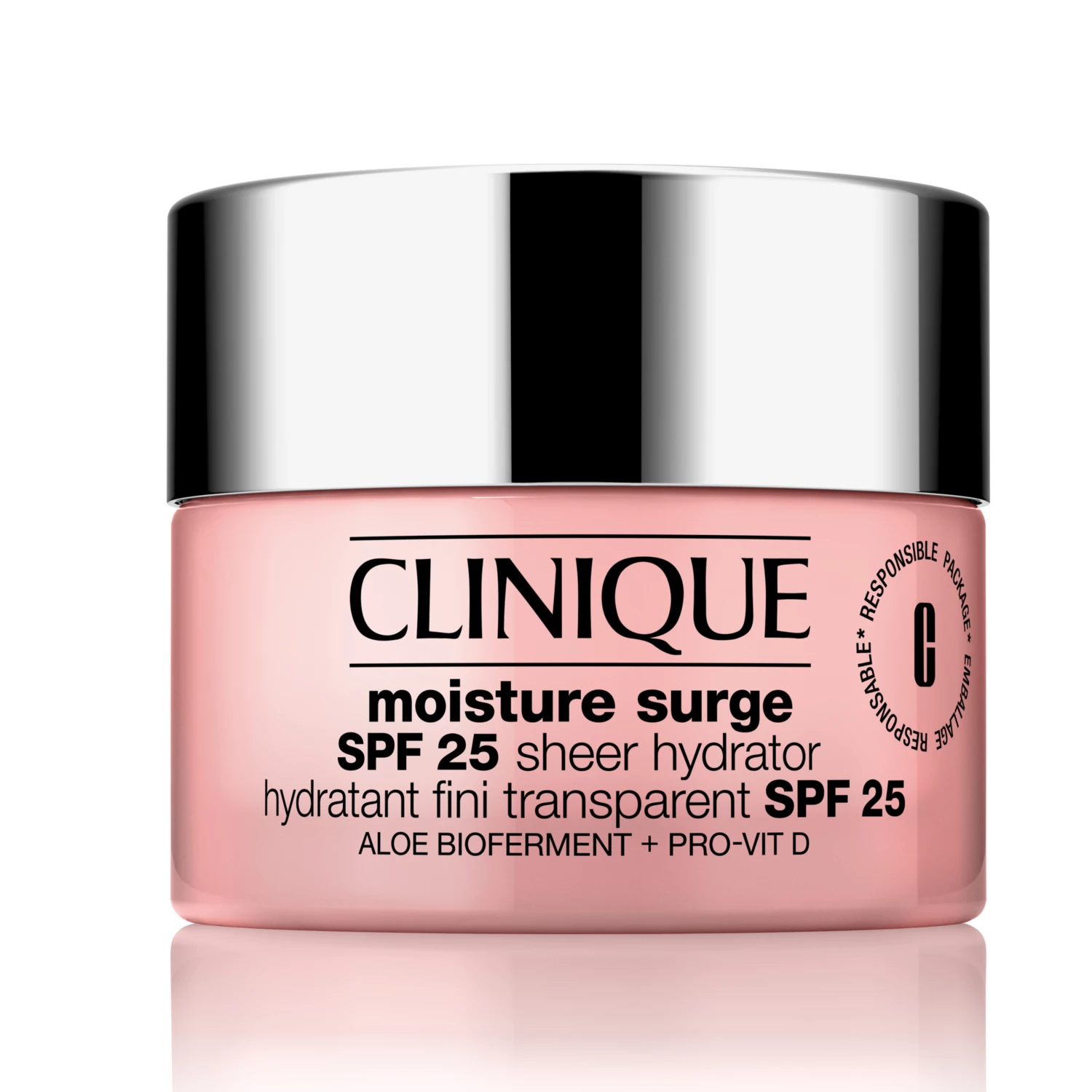
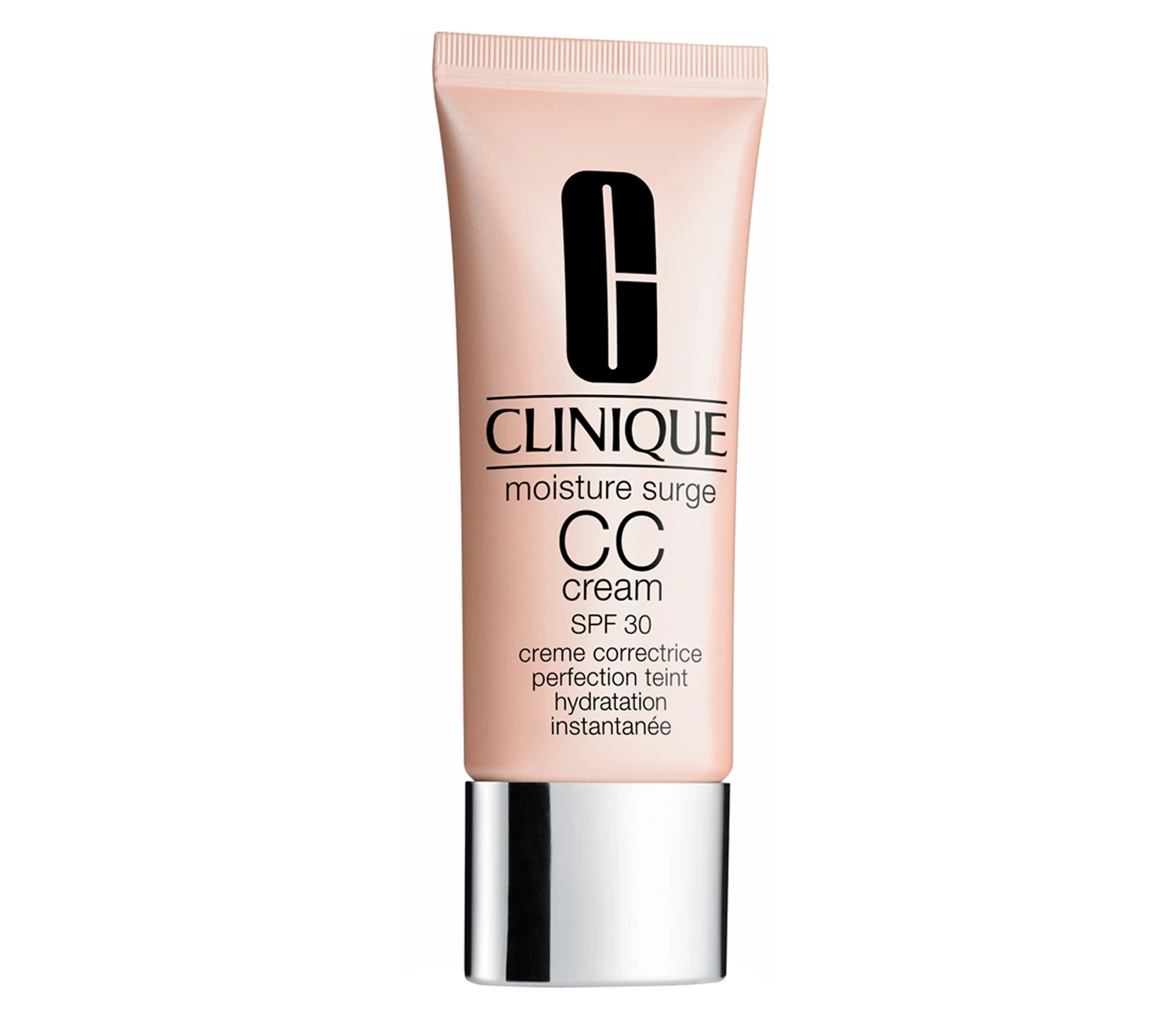
Looking for a product with chemical uv filters? See our best face sunscreens spf 50, compared by ingredients.
Related ingredients
Common questions about chemical uv filters
Are mineral sunscreens better than chemical ones?
Not better, just different. Mineral filters can suit very sensitive skin; chemical filters are usually lighter and leave no white cast. The best sunscreen is one you will use every day.
Do chemical sunscreens need 20 minutes to work?
They start absorbing UV as soon as they are on the skin. Waiting a few minutes before going out mainly helps the layer settle evenly.
Why do some sunscreens sting my eyes?
Some filters migrate into the eyes with sweat. Stick-format or mineral sunscreens around the eyes may help.
Sources
- Green AC et al. Reduced melanoma after regular sunscreen use: randomized trial follow-up. J Clin Oncol, 2011.
- Matta MK et al. Effect of sunscreen application on plasma concentration of sunscreen active ingredients: a randomized clinical trial. JAMA, 2020.
- Commission Regulation (EU) 2022/1176 amending the Cosmetics Regulation (benzophenone-3 and octocrylene).
Last reviewed 19 Oct 2026.