
Search a product or snap a photo of the pack to see what every ingredient does — in plain English, without the fear-mongering.
Explore top skincare brands available across UK retailers
Find products tailored to your specific skincare needs
See a full plain-English ingredient breakdown for each
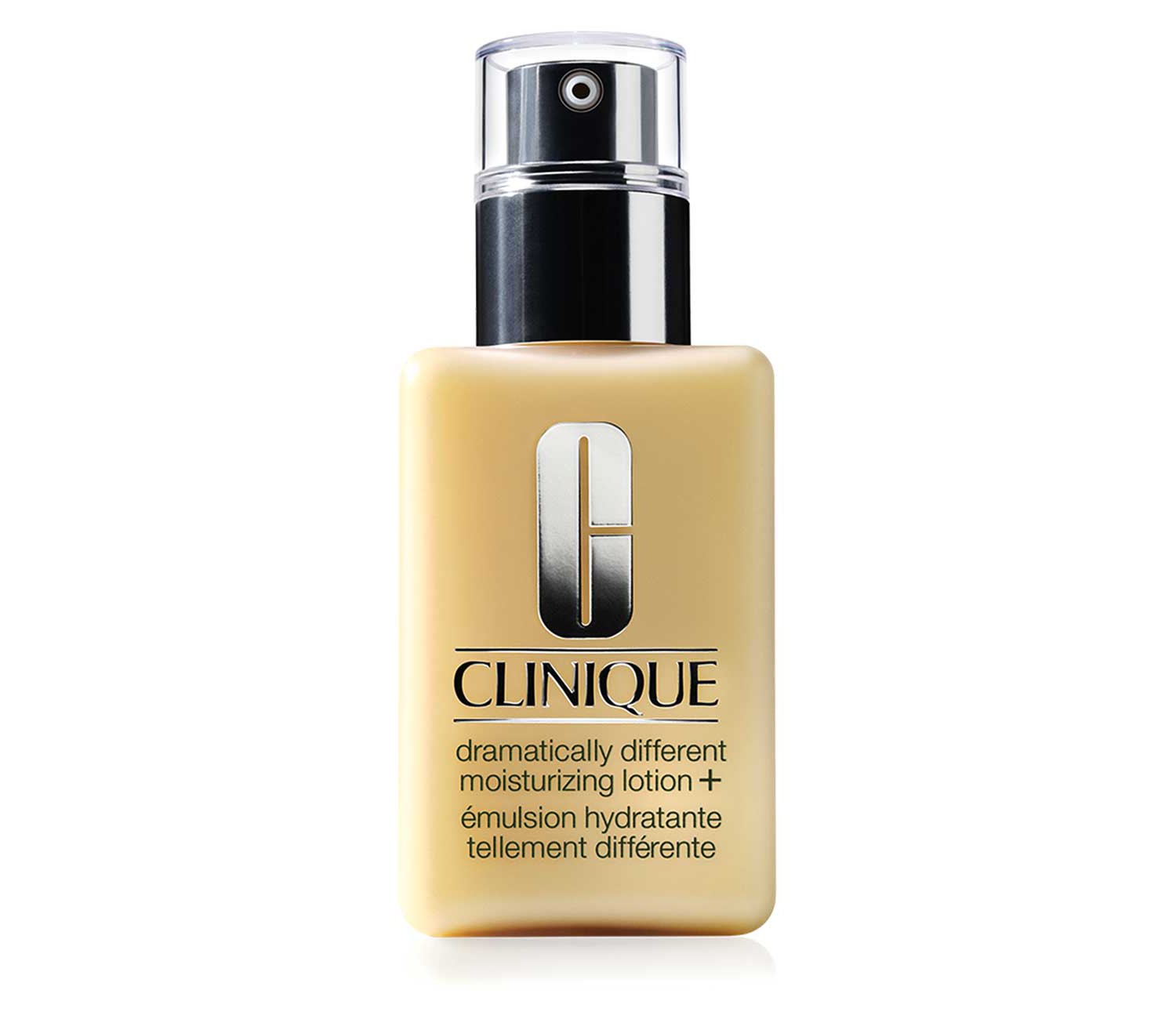
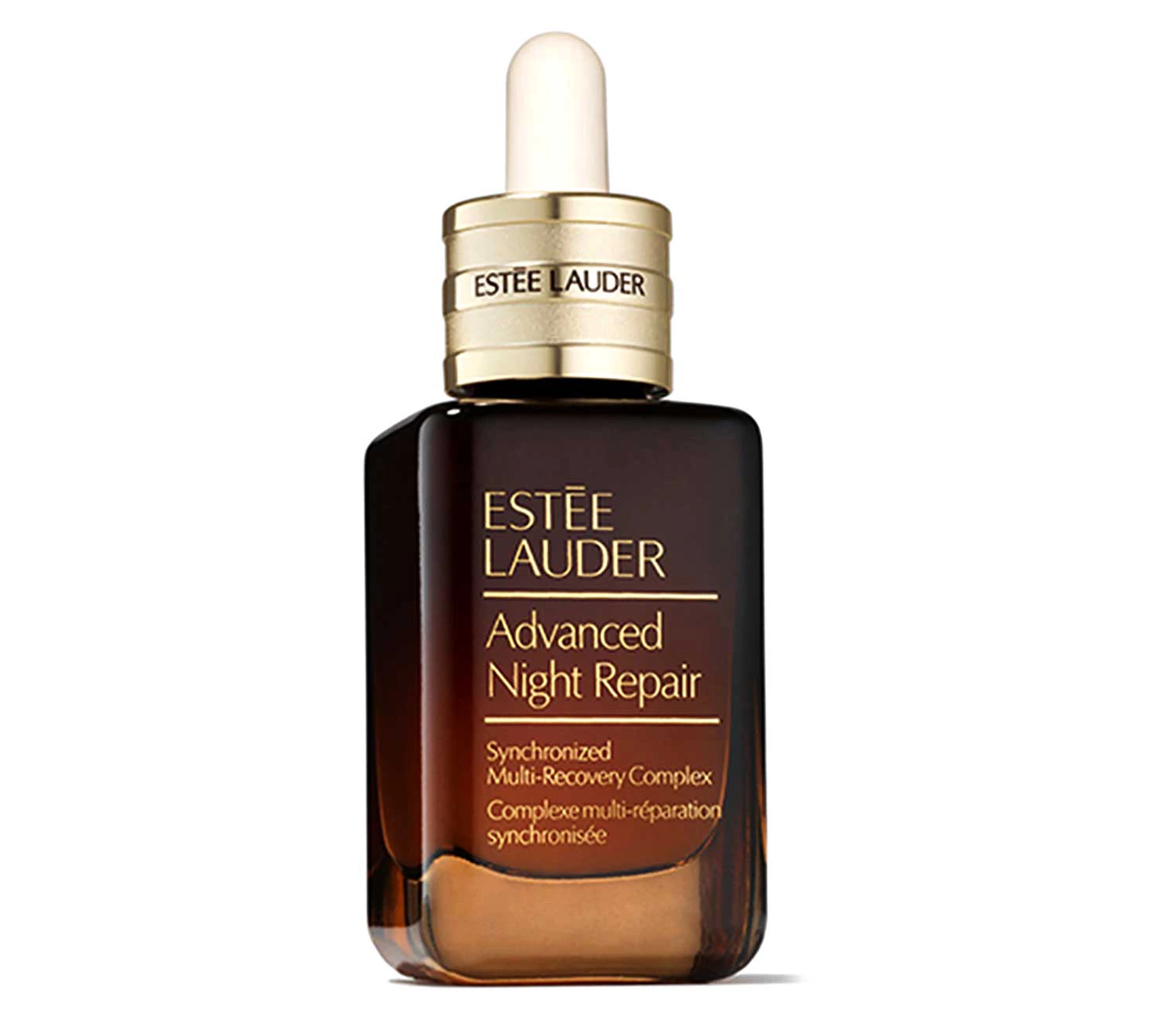
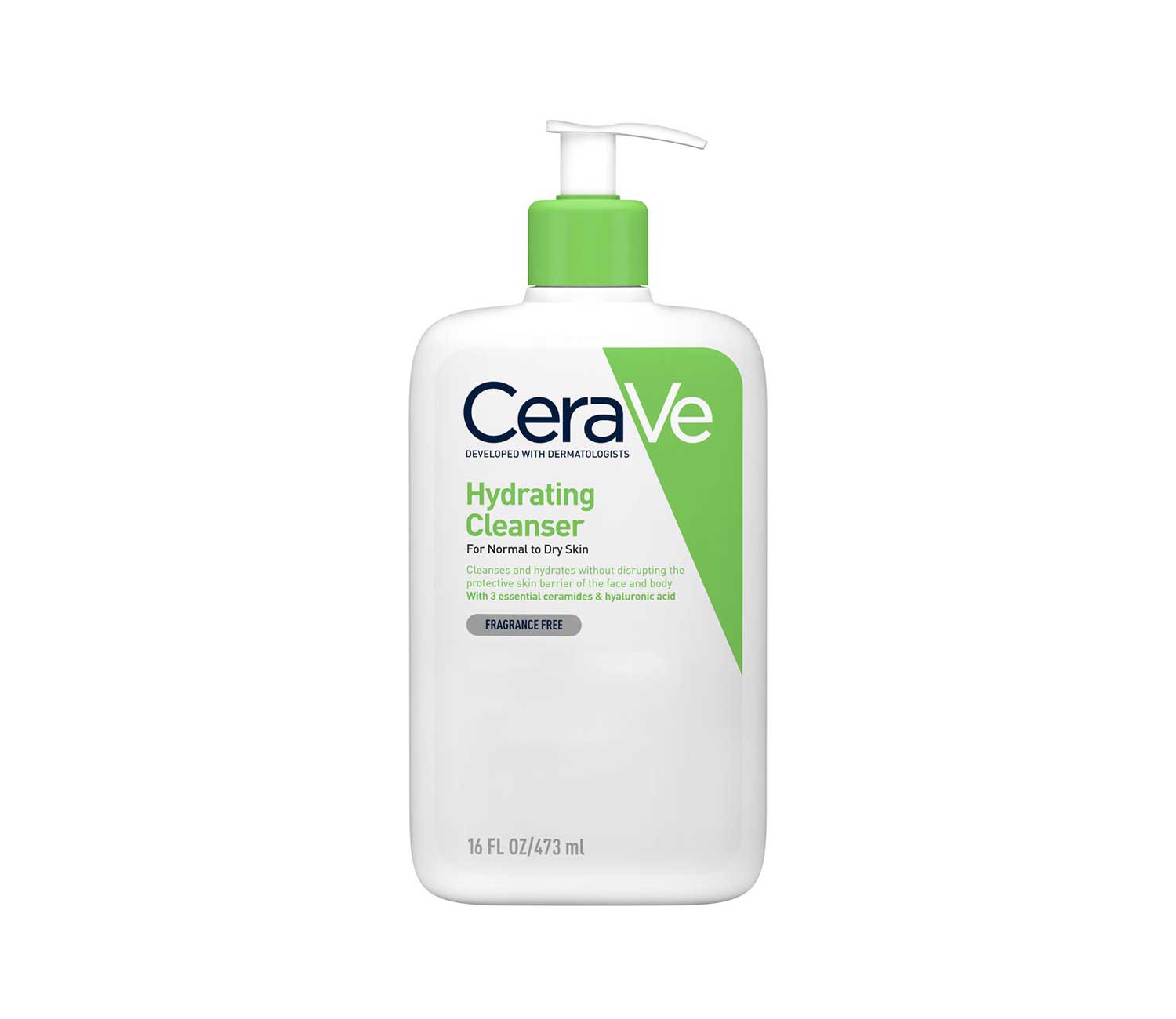
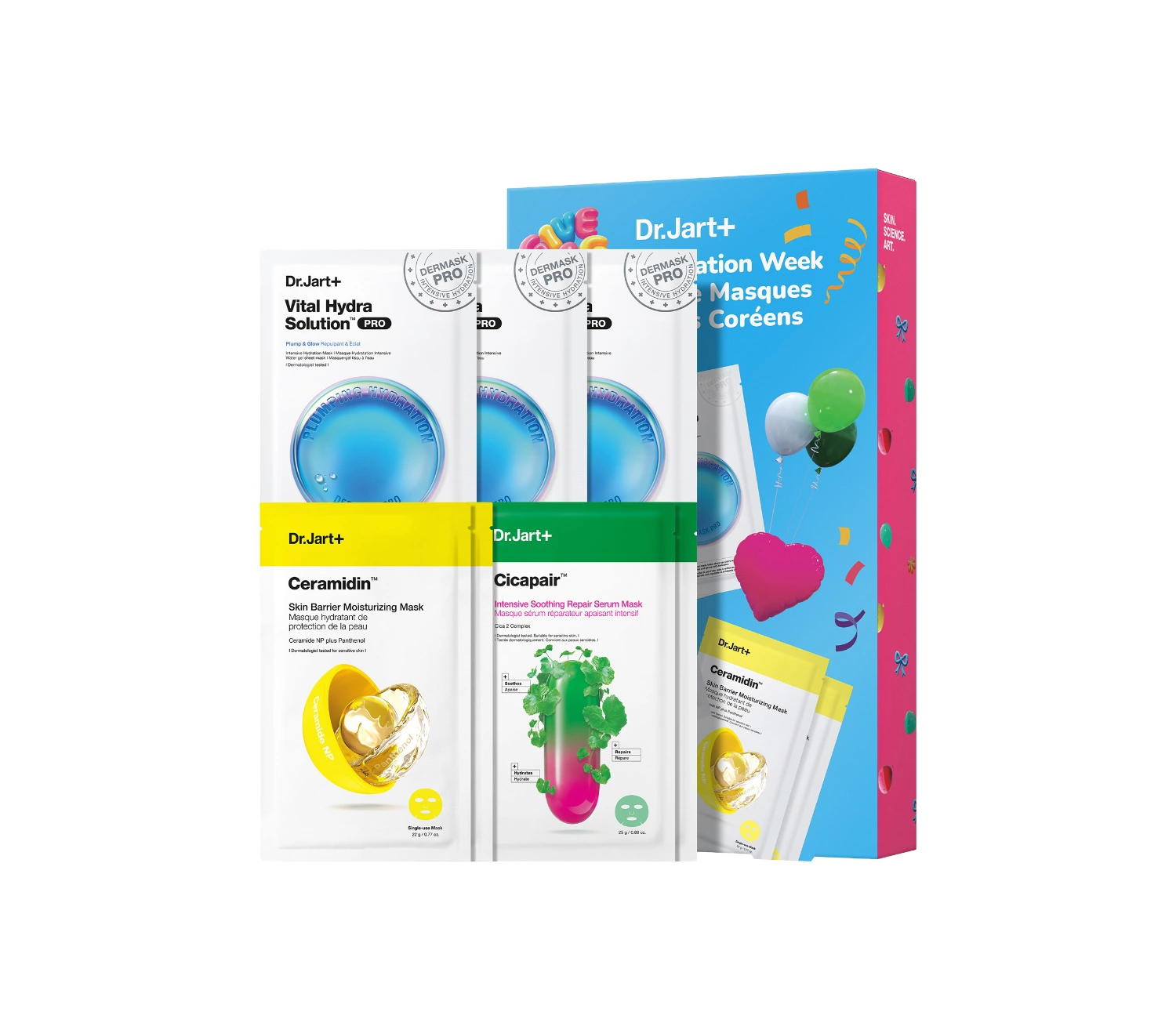
Learn what common skincare ingredients do and who they may suit
We prioritise clarity, accuracy, and your confidence
SkinChecker is a free skincare ingredient checker for the UK. Paste the ingredient list from any product label into the checker at the top of this page and every item on the INCI list is translated into plain English: what it does, the key actives, and anything worth knowing if your skin is sensitive, such as fragrance, essential oils or drying alcohol. You can also search our products or browse the ingredient glossary. Instead of fear-based "good" and "bad" lists, we give balanced, nuanced notes so you can decide what's right for your own skin.
Ingredient lists run from the highest concentration to the lowest, down to about 1%; below that, ingredients can appear in any order. Phenoxyethanol is capped at 1% in the UK and EU, so anything listed after it is present in small amounts, and the checker marks that point on your list.
Prone to fungal acne (Malassezia folliculitis)? Tick "Also flag possible fungal-acne triggers" and the checker marks the ingredients fungal-acne guides usually avoid: fatty acids with 11–24 carbons and their esters, polysorbates, most plant oils and butters, and ferments. It's a screening aid, not a diagnosis. Our fungal acne checker has the check switched on, explains the rules, and lists products in our catalogue with none of these ingredients.
Using more than one active? Our ingredient mixing guide answers questions like whether you can use retinol and vitamin C together, or vitamin C with niacinamide.
Wondering what's actually in your moisturiser, serum or cleanser? Start with a product search, explore ingredients by skin concern — dryness, acne, redness, sensitivity, dark spots and barrier support — or read how we categorise ingredients in our methodology.