Niacinamide
Barrier support & even tone
Niacinamide (vitamin B3) is one of the most versatile skincare ingredients. It supports the skin barrier, helps even out tone and can make oiliness and pores look less obvious, and it is usually well tolerated, which is why it turns up in moisturisers, serums, cleansers and SPFs alike.
What is Niacinamide?
Also known as Vitamin B3. Helps support the skin barrier, improve uneven tone, and reduce the appearance of pores. Usually well tolerated.
In skincare terms, Niacinamide is a soothing ingredient often used to calm the look of redness and sensitivity.
What does niacinamide do for skin?
In short: niacinamide strengthens the skin barrier, evens out skin tone, and helps reduce oiliness and the look of enlarged pores. It can also calm redness and soften the look of fine lines. That range, plus being gentle on most skin, is why it turns up in so many moisturisers, serums and SPFs. What the research shows:
- Barrier support: in laboratory work it increased the skin's production of ceramides and other barrier lipids, which help skin hold on to water (Tanno 2000).
- More even tone: it reduced the transfer of pigment into skin cells and lightened hyperpigmentation in a clinical study (Hakozaki 2002). Results build over weeks, not days.
- Oil and pores: a 2% niacinamide product lowered facial sebum production in a small study (Draelos 2006), which can make pores look less prominent.
- Signs of ageing: a 5% niacinamide moisturiser improved the look of fine lines, blotchiness and sallowness over 12 weeks (Bissett 2005).
How much niacinamide do you need?
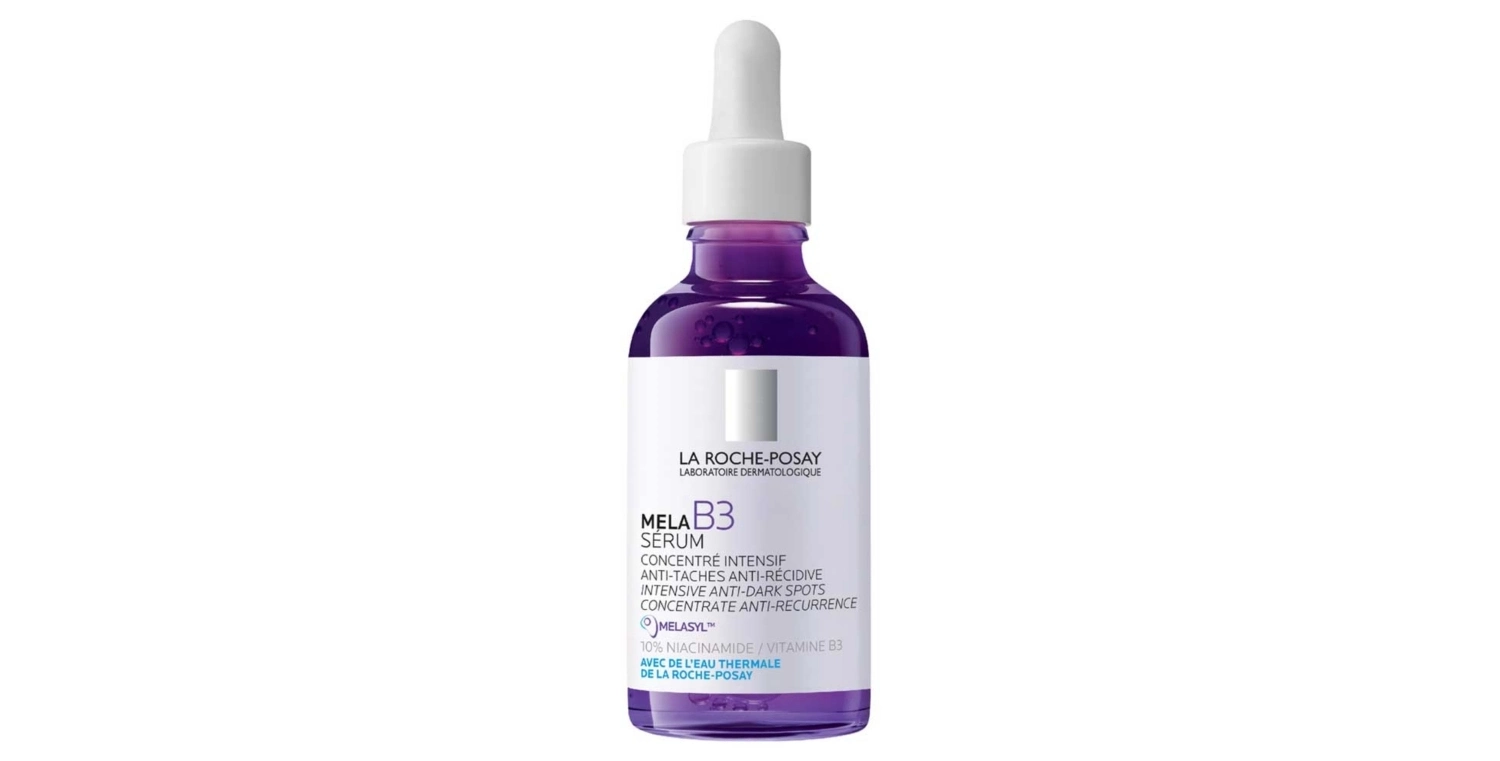
Most of the published research used 2–5%. Products with 10% or more are widely sold, but there is little evidence that higher strengths work better, and they are more likely to cause redness or a warm, flushed feeling on sensitive skin.
Brands rarely print the percentage on the pack, so its position in the ingredient list is a rough guide: near the top usually means a meaningful amount, near the end a small one.
How to use it
- Morning, evening or both: sunlight doesn't affect it.
- Apply a niacinamide serum before your moisturiser — or check whether your moisturiser already contains it.
- Give it 8–12 weeks before judging changes in tone or texture.
What it works well with
Niacinamide combines well with most ingredients, including hyaluronic acid, ceramides, retinol and sunscreen. Older advice not to use it with vitamin C came from tests on the pure chemicals at high temperatures and is widely considered outdated for modern products. If your skin stings when you layer the two, simply use one in the morning and the other at night.
Side effects
Niacinamide is one of the better-tolerated actives. At higher strengths some people notice redness, itching or a flushed feeling; if that happens, switch to a lower-strength product or use it less often. As with any new product, patch test first if your skin is reactive.
Where you'll find it
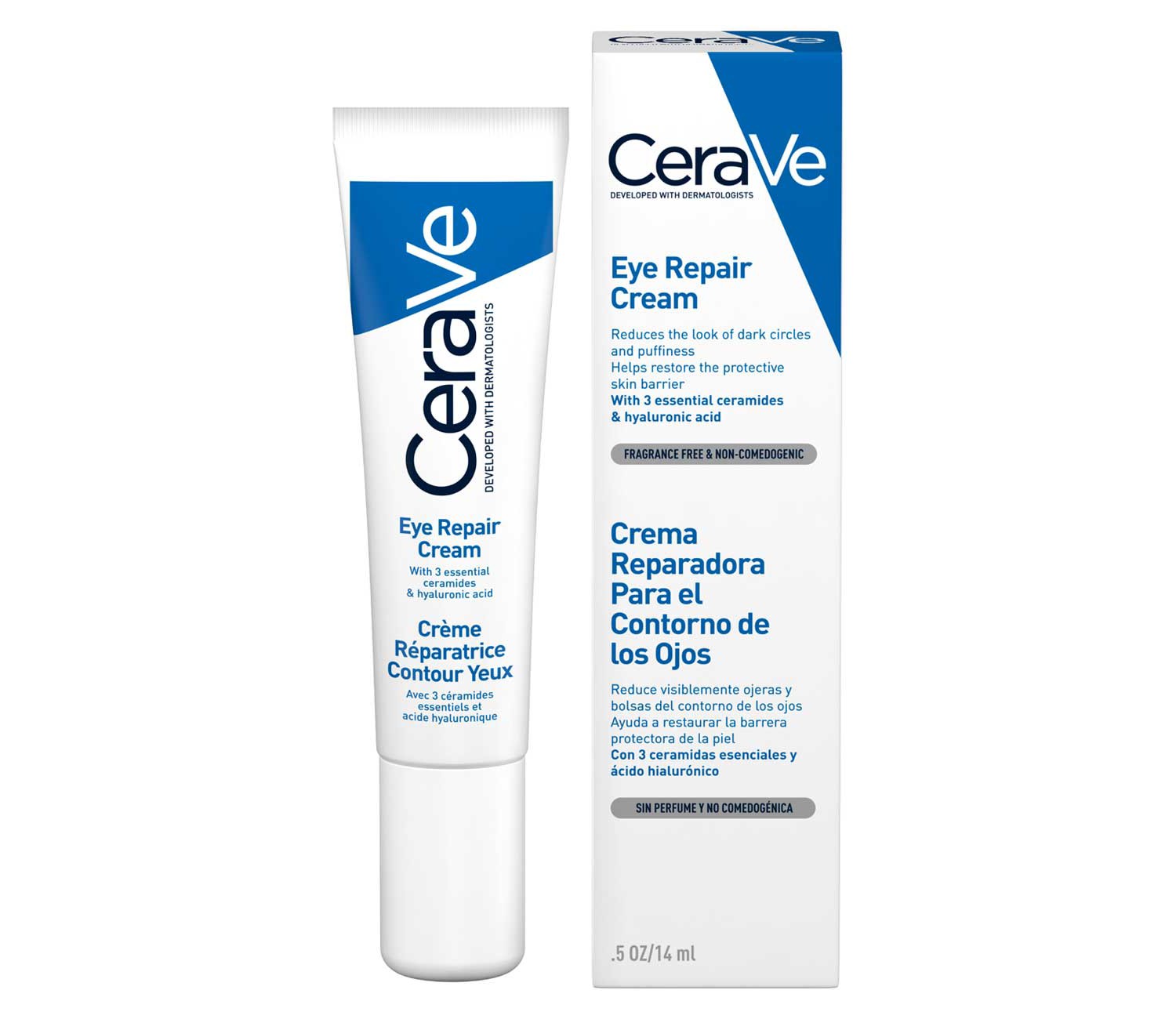
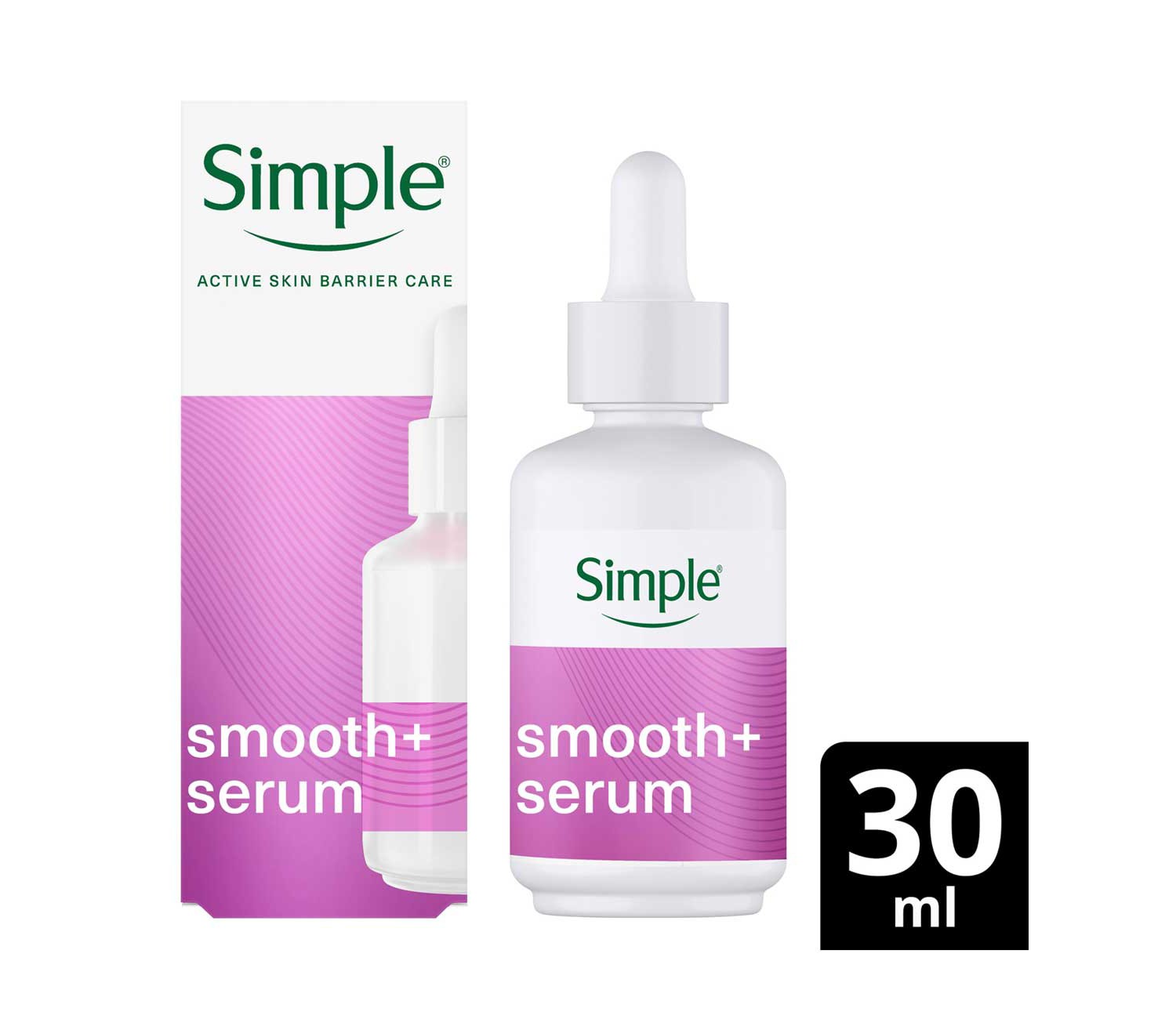
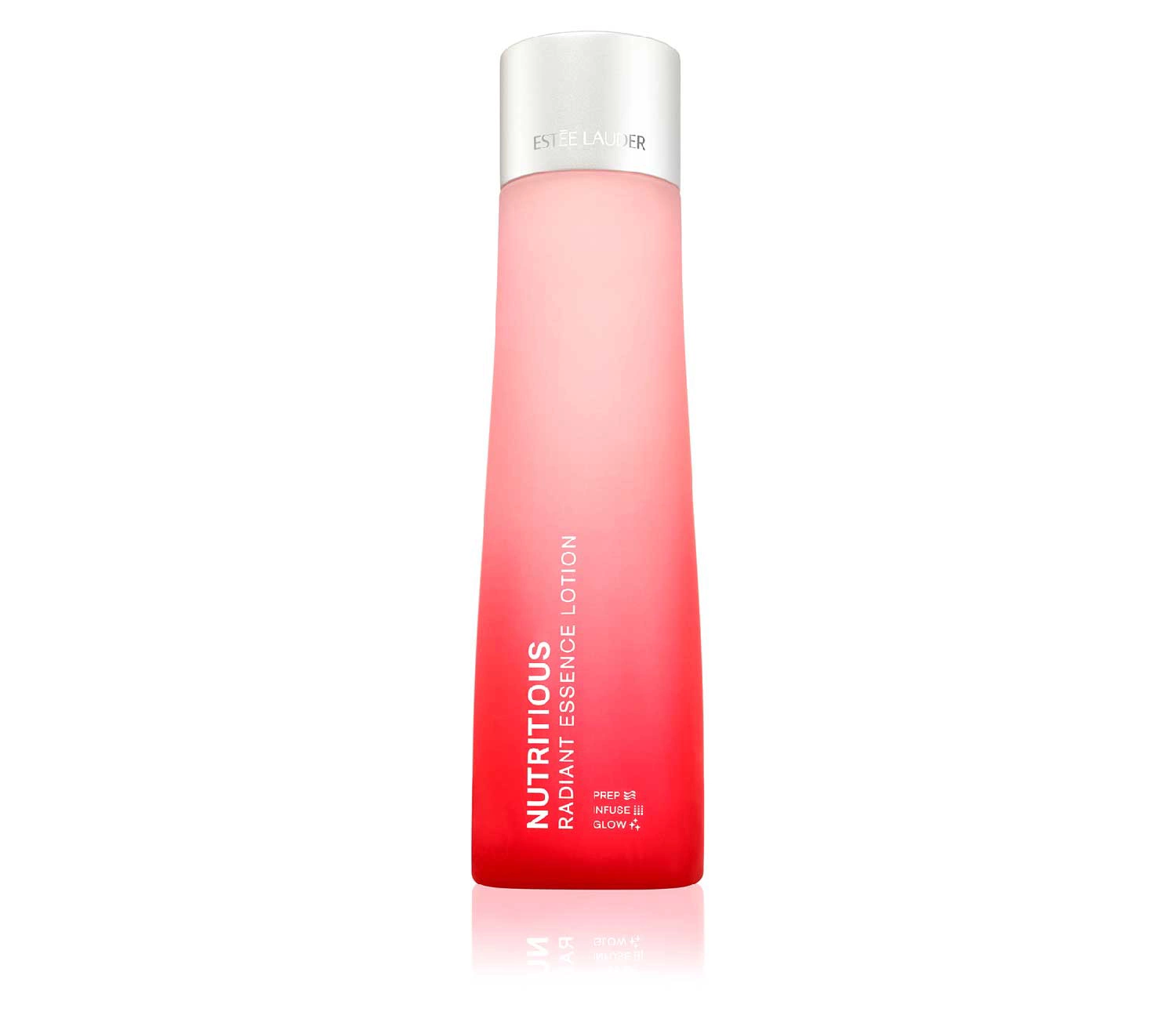
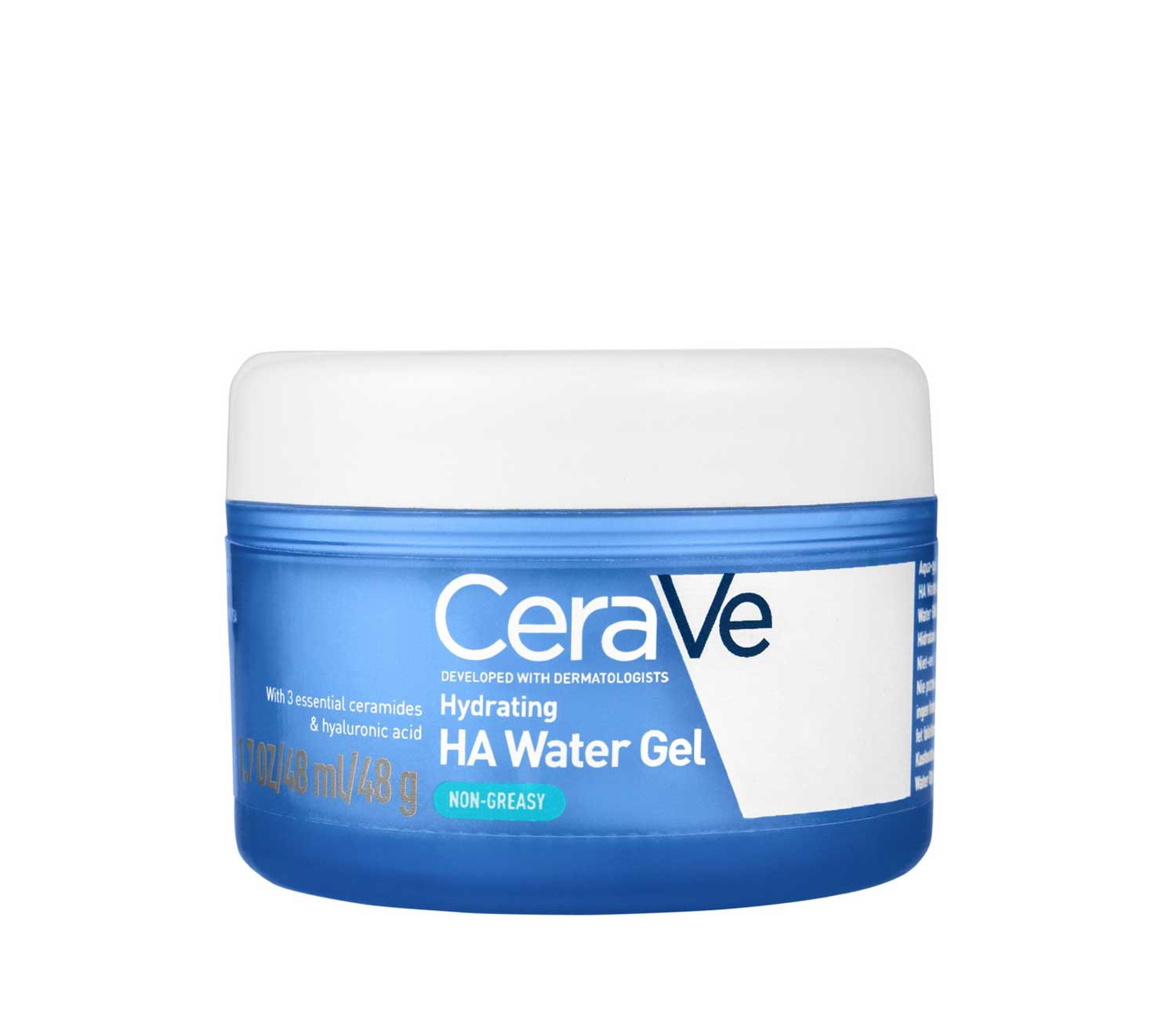
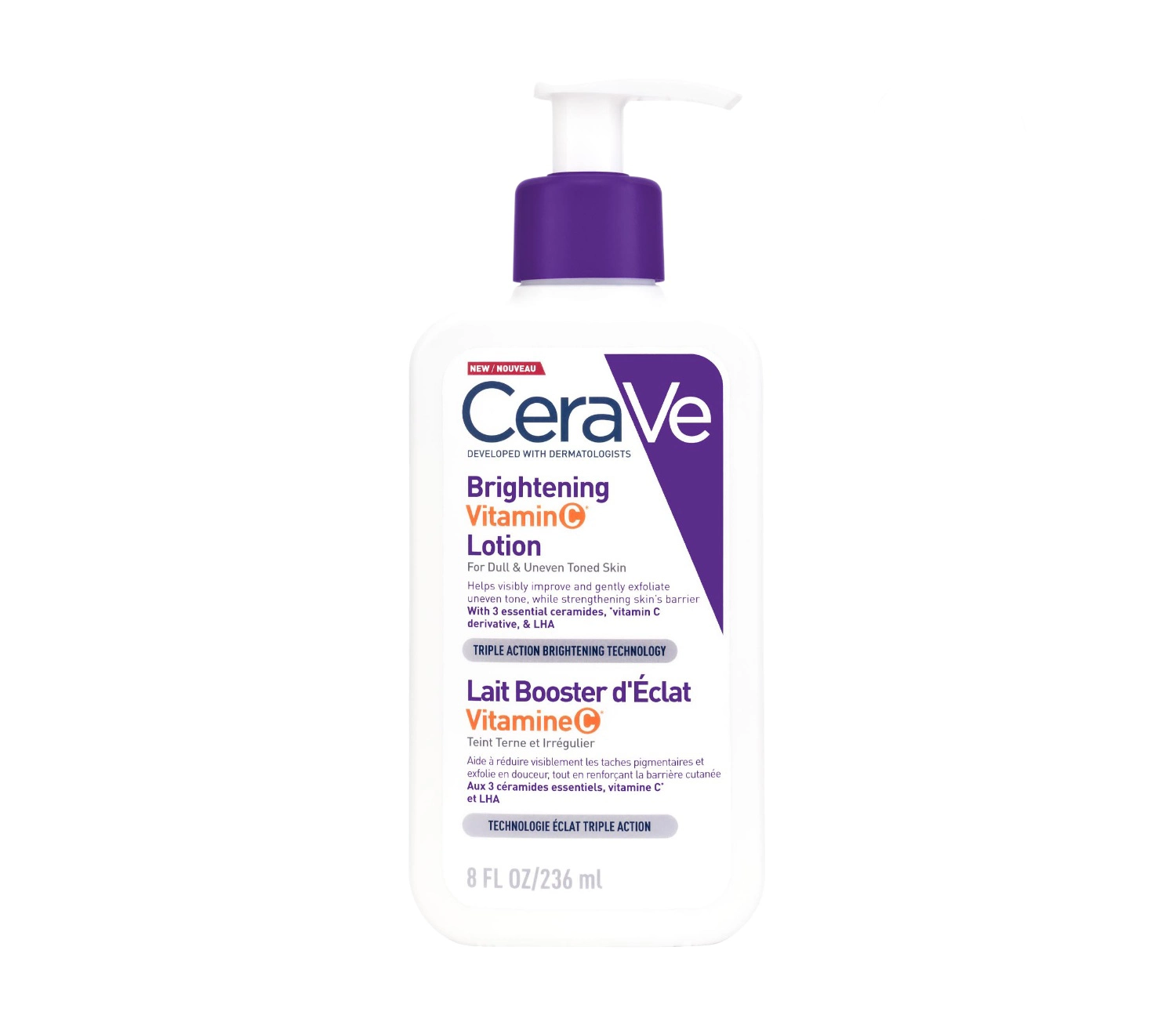
In our catalogue, Niacinamide appears in moisturisers, serums, spf, cleansers and more.
Also listed as
On an ingredients label (INCI), Niacinamide may appear as: niacinamide, nicotinamide.
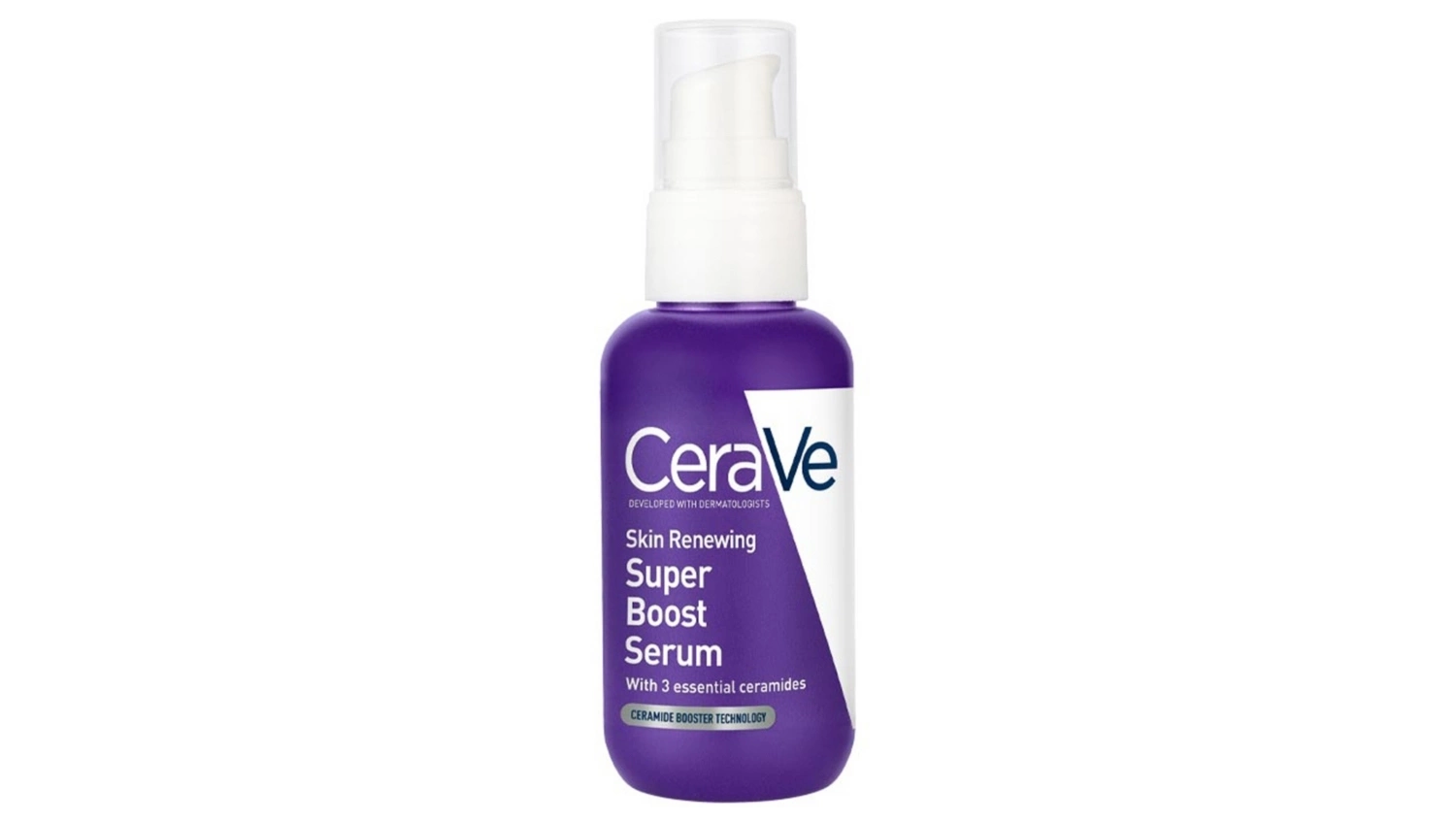
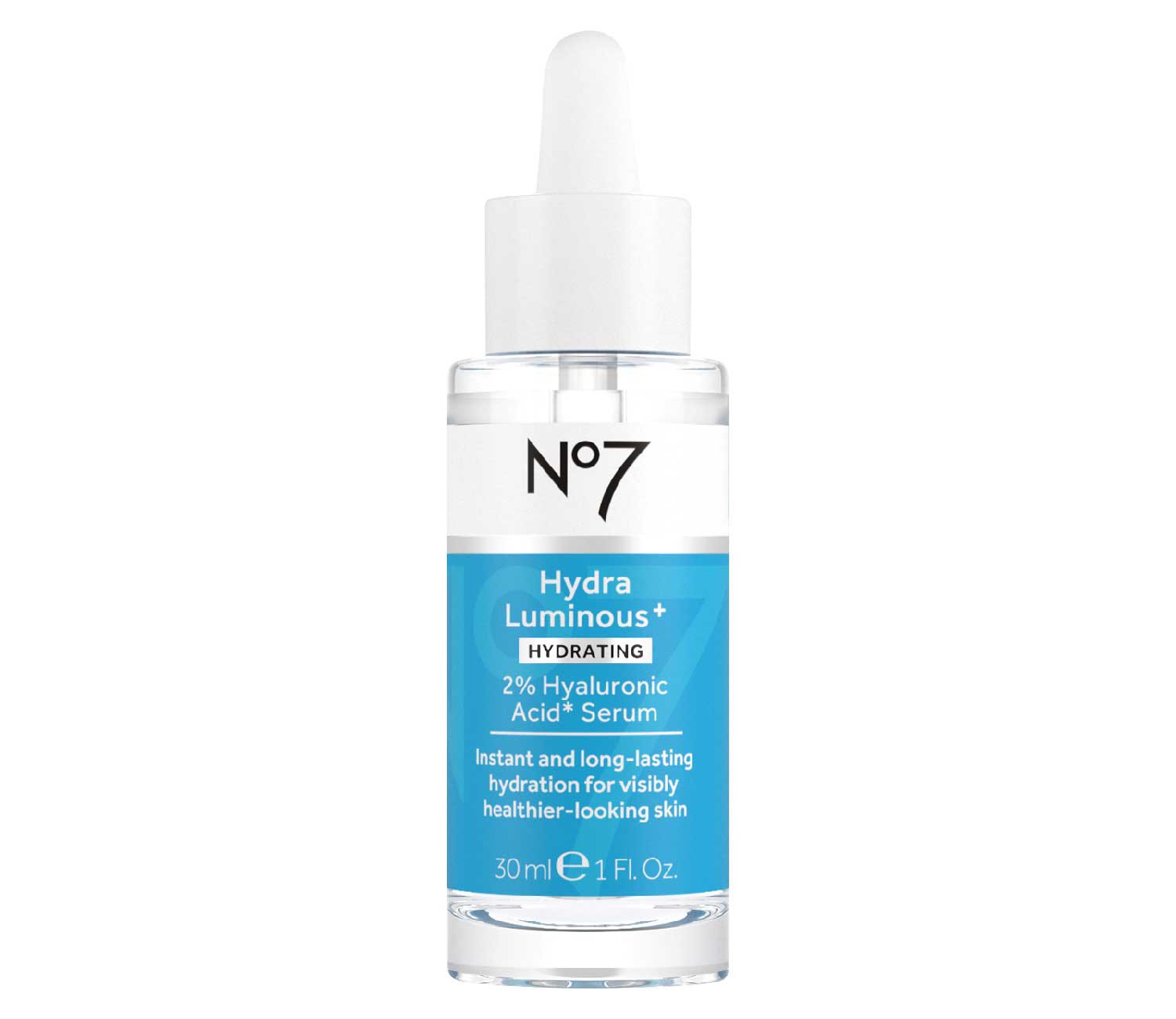
Looking for a product with niacinamide? See our best niacinamide serums, compared by ingredients.
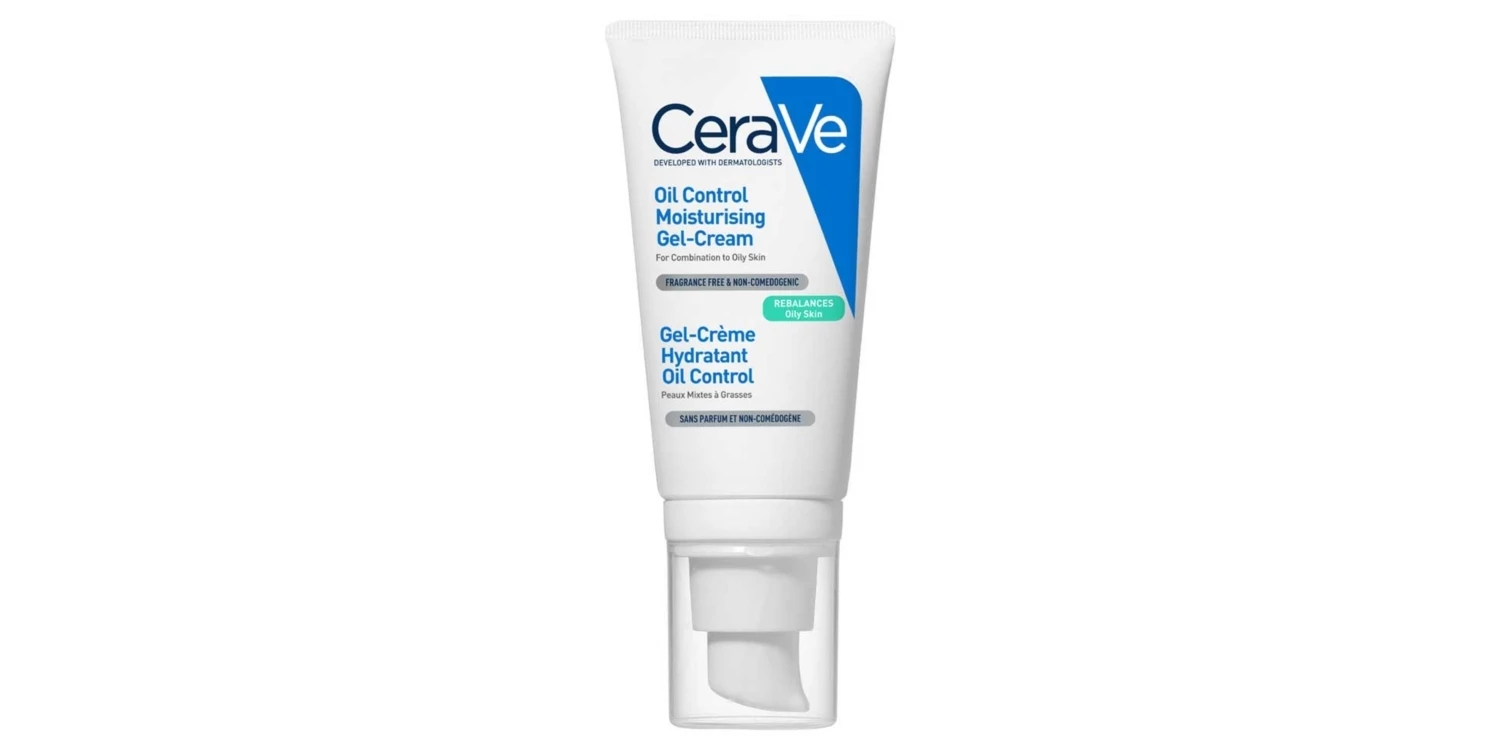
Looking for a product with niacinamide? See our best moisturisers for oily & combination skin, compared by ingredients.
Using niacinamide with other ingredients
- Can you use retinol and niacinamide together? — works well together
- Can you use vitamin C and niacinamide together? — works well together
- Can you use niacinamide and AHAs together? — works well together
- Can you use salicylic acid and niacinamide together? — works well together
- Can you use azelaic acid and niacinamide together? — works well together
Related ingredients
Common questions about niacinamide
What is niacinamide used for?
Mostly for oily or combination skin, uneven tone and dark marks, redness, and general barrier support in moisturisers. It is an all-rounder rather than a treatment for one problem, so brands often add it alongside other actives such as hyaluronic acid, retinol or SPF filters.
Is niacinamide good for acne-prone skin?
It can help with oiliness and the look of redness and is a common choice for acne-prone skin, but it isn't an acne treatment on its own. For persistent or painful breakouts, speak to a pharmacist or GP.
Can I use niacinamide every day?
Yes. Most people can use it once or twice a day.
Is nicotinamide the same as niacinamide?
Yes — they are two names for the same form of vitamin B3, and both appear on ingredient lists.
Does niacinamide cause purging?
No. Purging is linked to ingredients that speed up skin renewal, such as retinoids and exfoliating acids. If you break out after starting a niacinamide product, another ingredient in the formula may be responsible.
Sources
- Bissett DL et al. Niacinamide: a B vitamin that improves aging facial skin appearance. Dermatol Surg, 2005.
- Hakozaki T et al. The effect of niacinamide on reducing cutaneous pigmentation and suppression of melanosome transfer. Br J Dermatol, 2002.
- Tanno O et al. Nicotinamide increases biosynthesis of ceramides as well as other stratum corneum lipids to improve the epidermal permeability barrier. Br J Dermatol, 2000.
- Draelos ZD et al. The effect of 2% niacinamide on facial sebum production. J Cosmet Laser Ther, 2006.
Last reviewed 20 Oct 2026.