Peptides
Signalling & firming
Peptides are short chains of amino acids. In skincare, different peptides are designed to do different jobs — most commonly to signal skin to make more collagen — with the aim of softening fine lines and improving firmness. They are gentle, but the evidence varies a lot from one peptide to the next.
What is Peptides?
Short chains of amino acids that signal the skin to support collagen and firmness. A gentle anti-ageing option that suits most skin types.
In skincare terms, Peptides is an ingredient associated with the appearance of firmer, smoother, more even skin over time.
Types of peptides
A review of anti-ageing peptides sorted them into four groups (Gorouhi 2009):
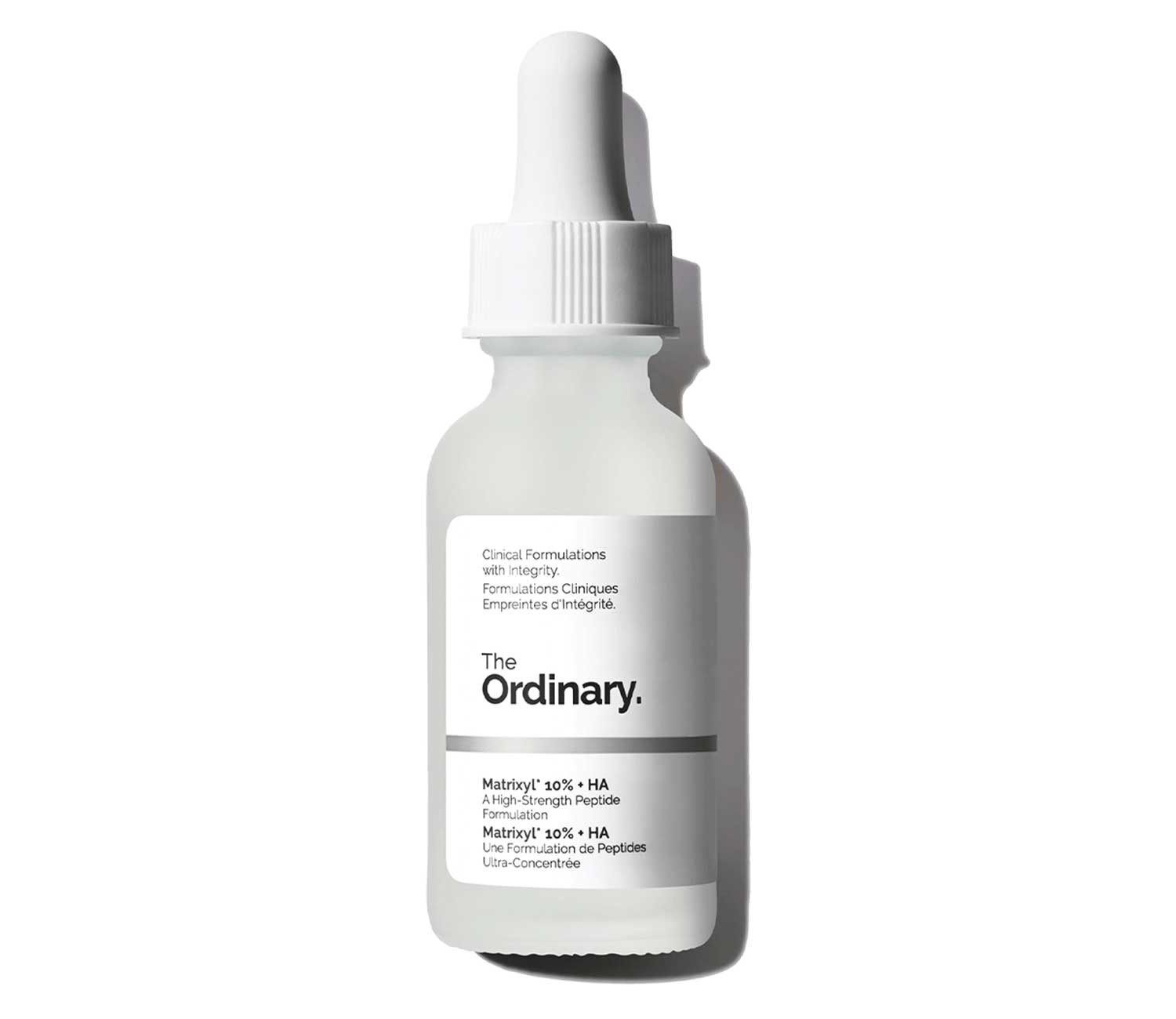
- Signal peptides — tell skin cells to make more collagen. Palmitoyl pentapeptide-4 (Matrixyl) is the best known.
- Carrier peptides — deliver trace minerals; copper tripeptide-1 is the main example.
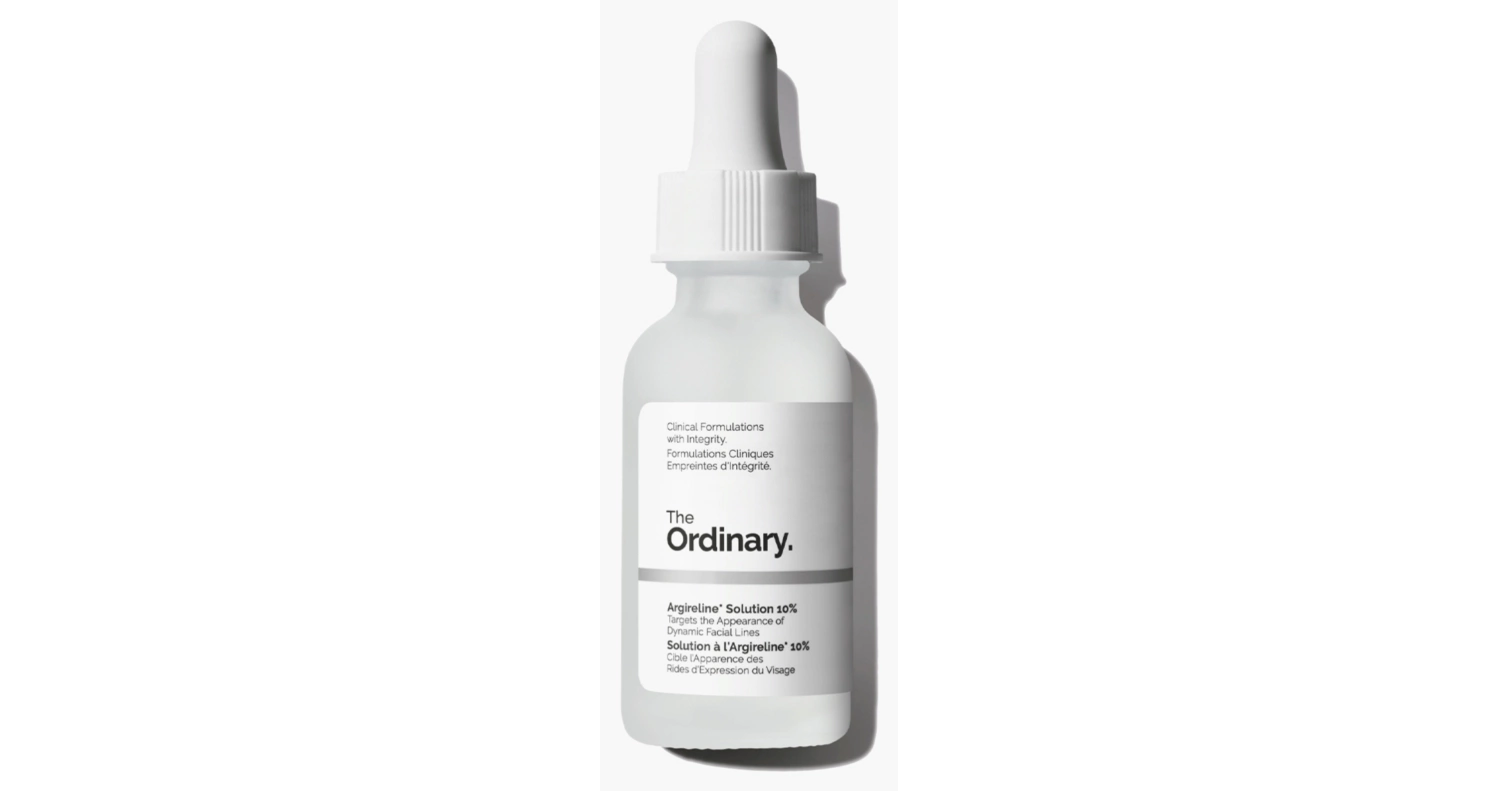
- Neurotransmitter-inhibiting peptides — designed to relax expression lines; acetyl hexapeptide-8 (Argireline) is the best known. The effect is much milder than injections.
- Enzyme-inhibiting peptides — aim to slow the breakdown of collagen.
Does the evidence hold up?
Some peptides have controlled studies behind them. In a 12-week split-face study of 93 women, a moisturiser with palmitoyl pentapeptide-4 reduced wrinkles and fine lines more than the same moisturiser without it (Robinson 2005). That study was run by a skincare company, and many other peptides have only manufacturer data. Peptides are best seen as a gentle addition rather than a replacement for retinoids or sunscreen.
How to use them
- Use peptide serums or creams once or twice a day.
- They combine well with most ingredients, including retinol, niacinamide and hyaluronic acid.
- Give them at least 8–12 weeks.
Who they suit and side effects
Peptides are generally very well tolerated and suit sensitive skin that can't manage retinol. Reactions are uncommon.
Where you'll find it
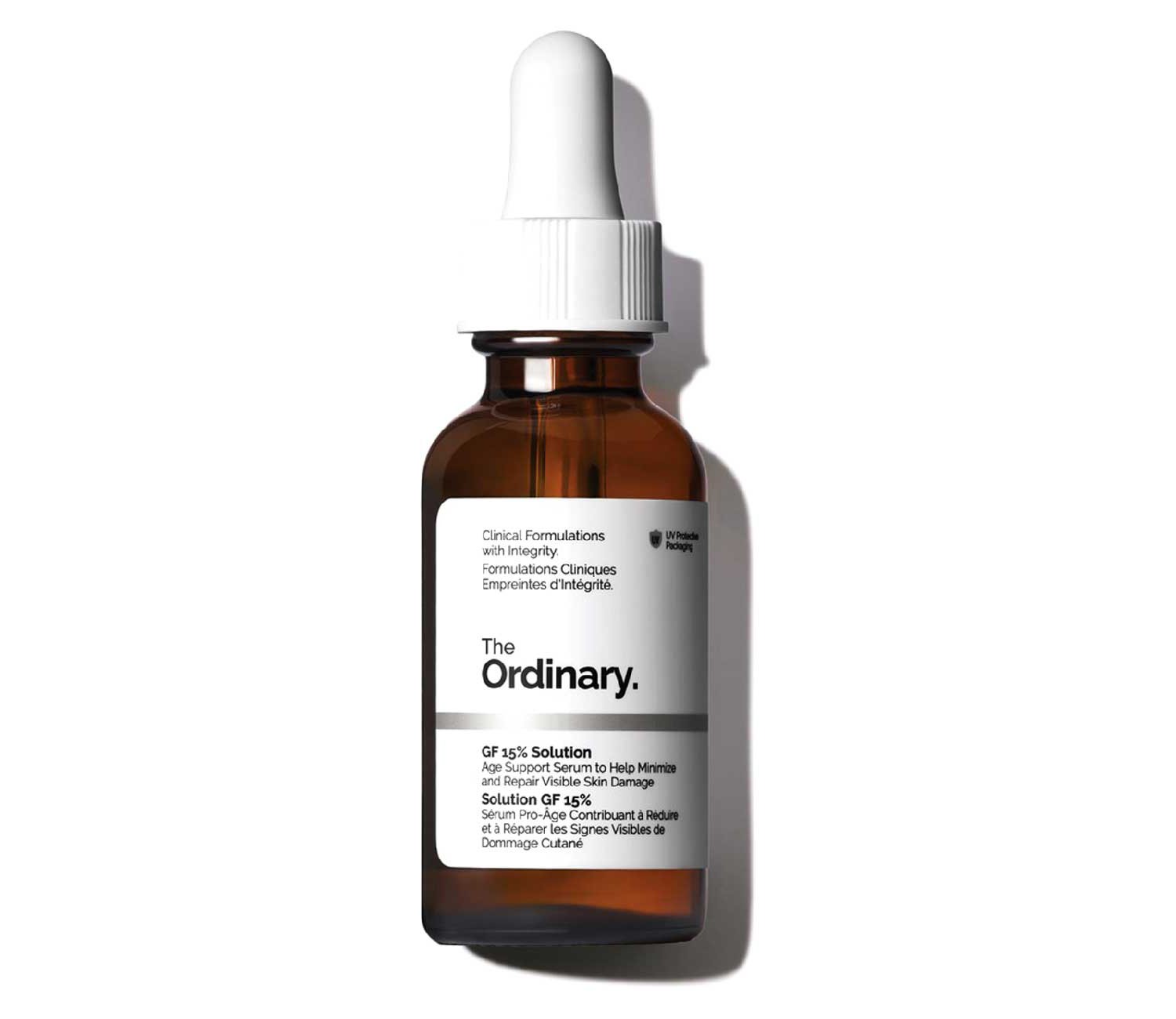
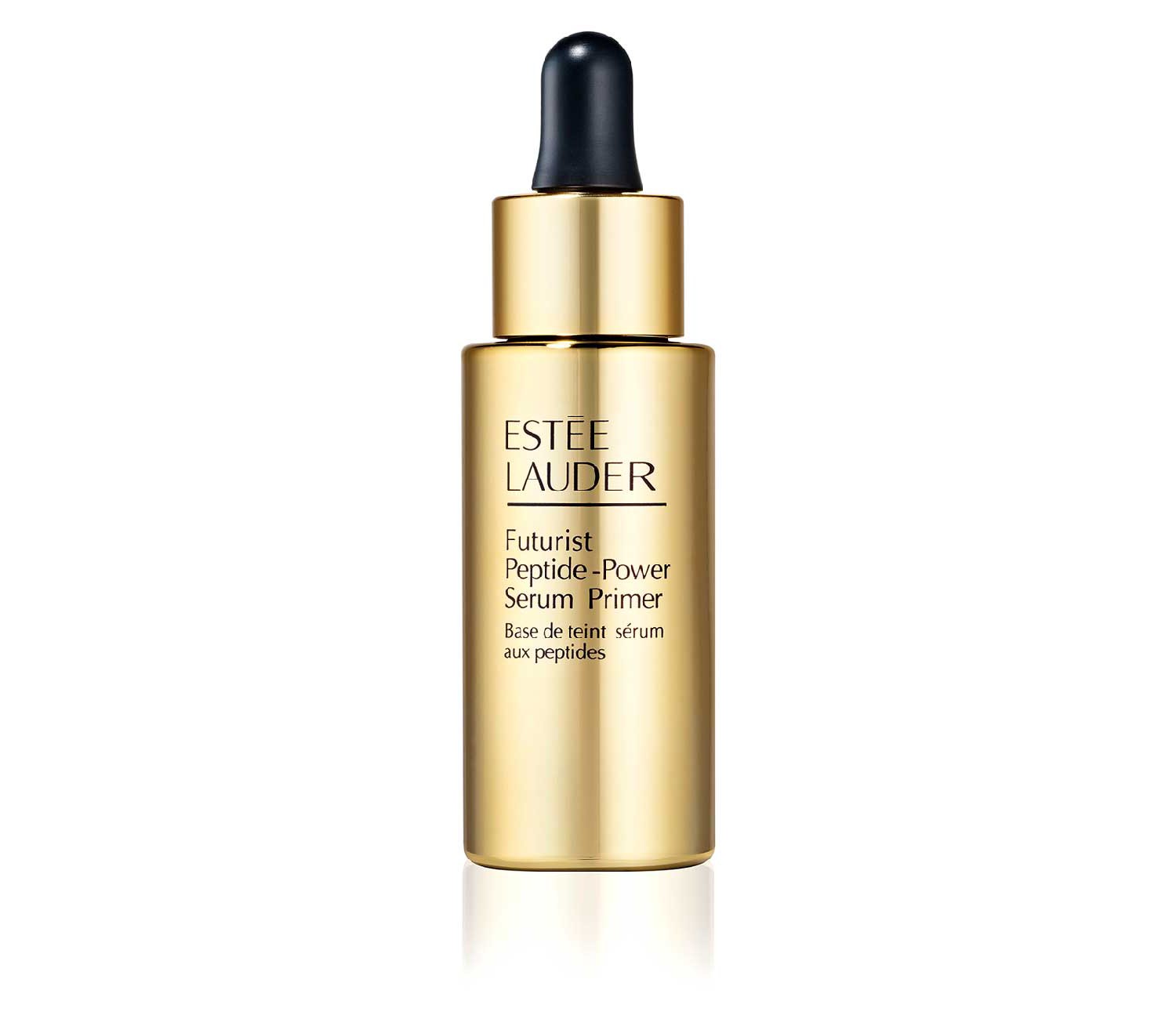
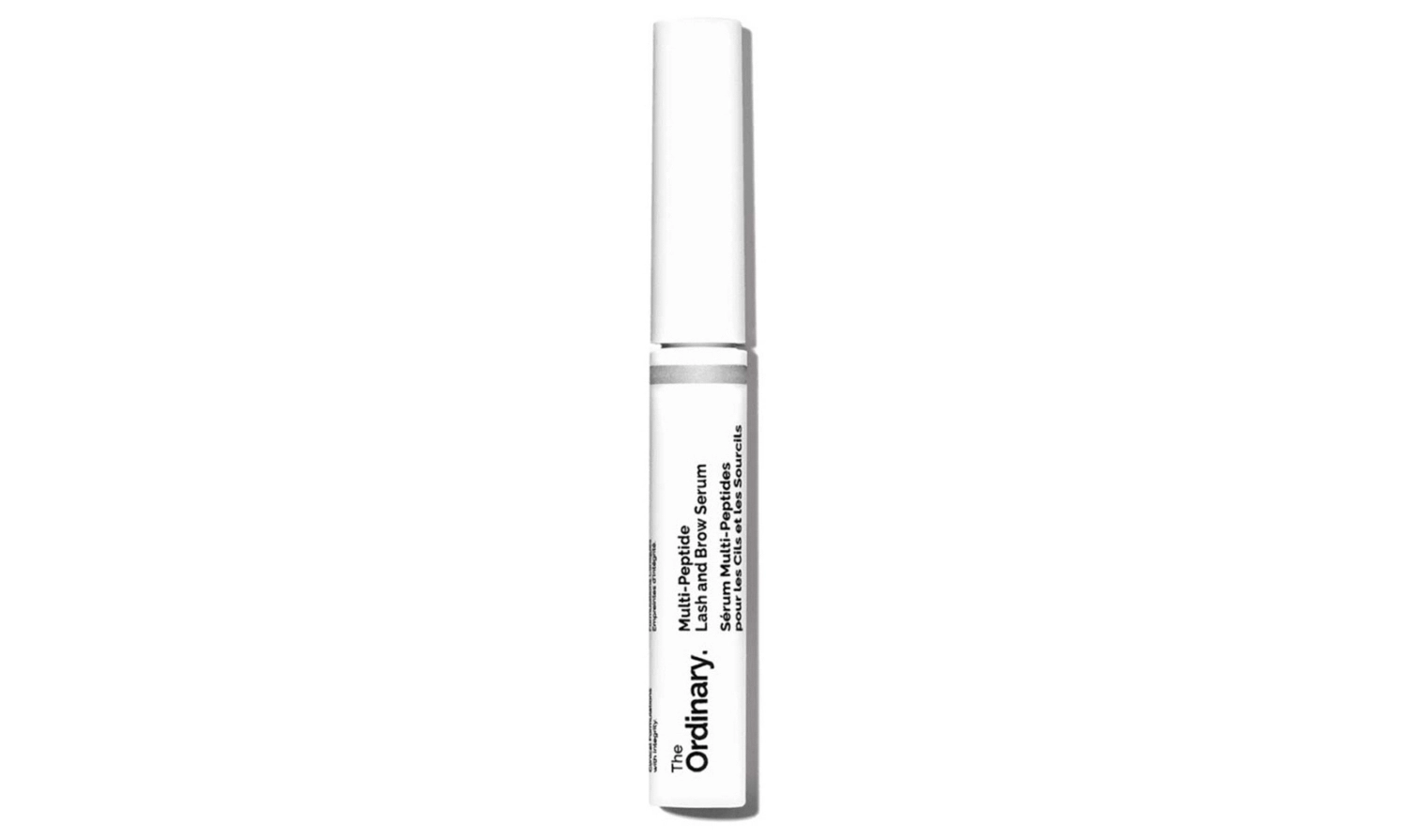
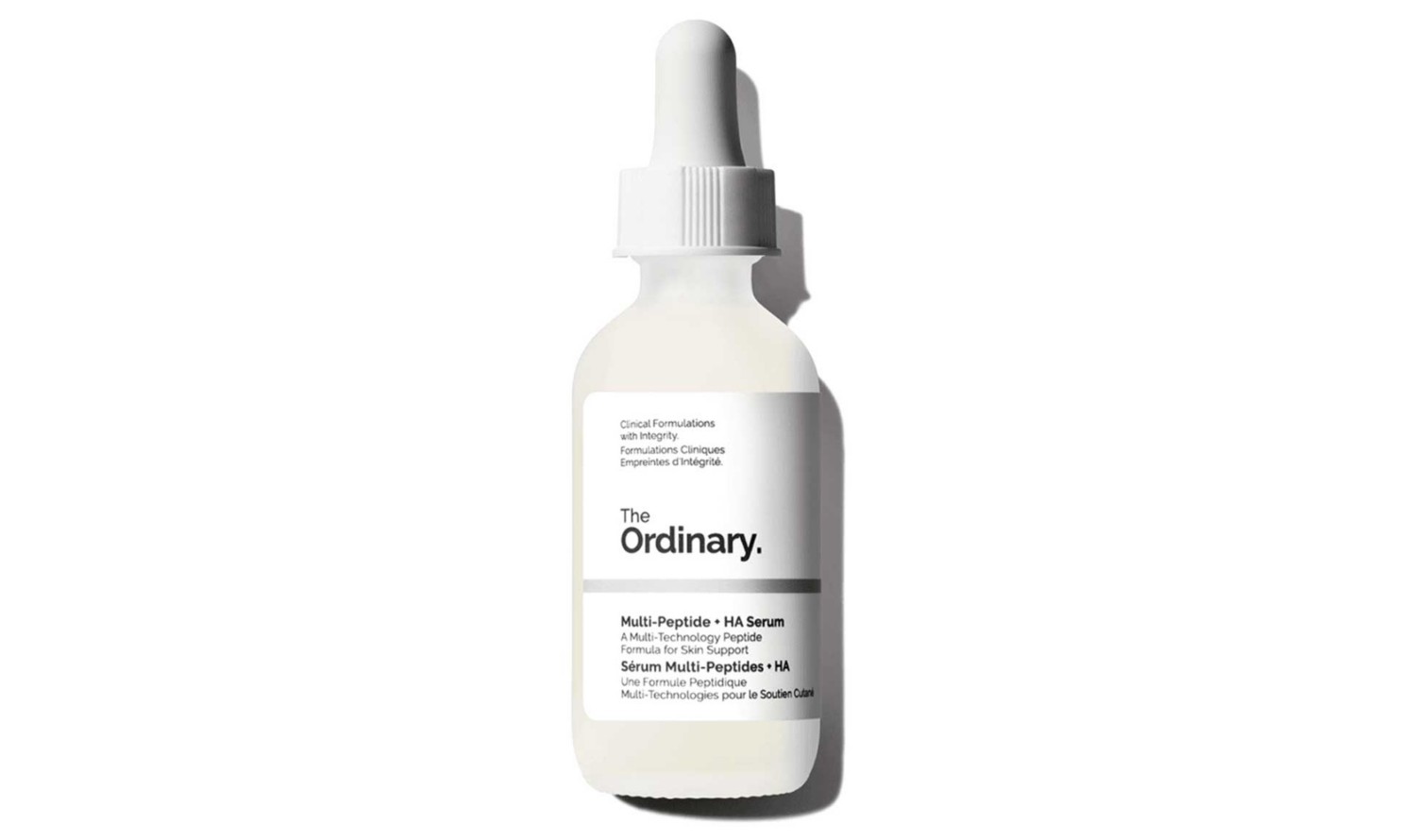
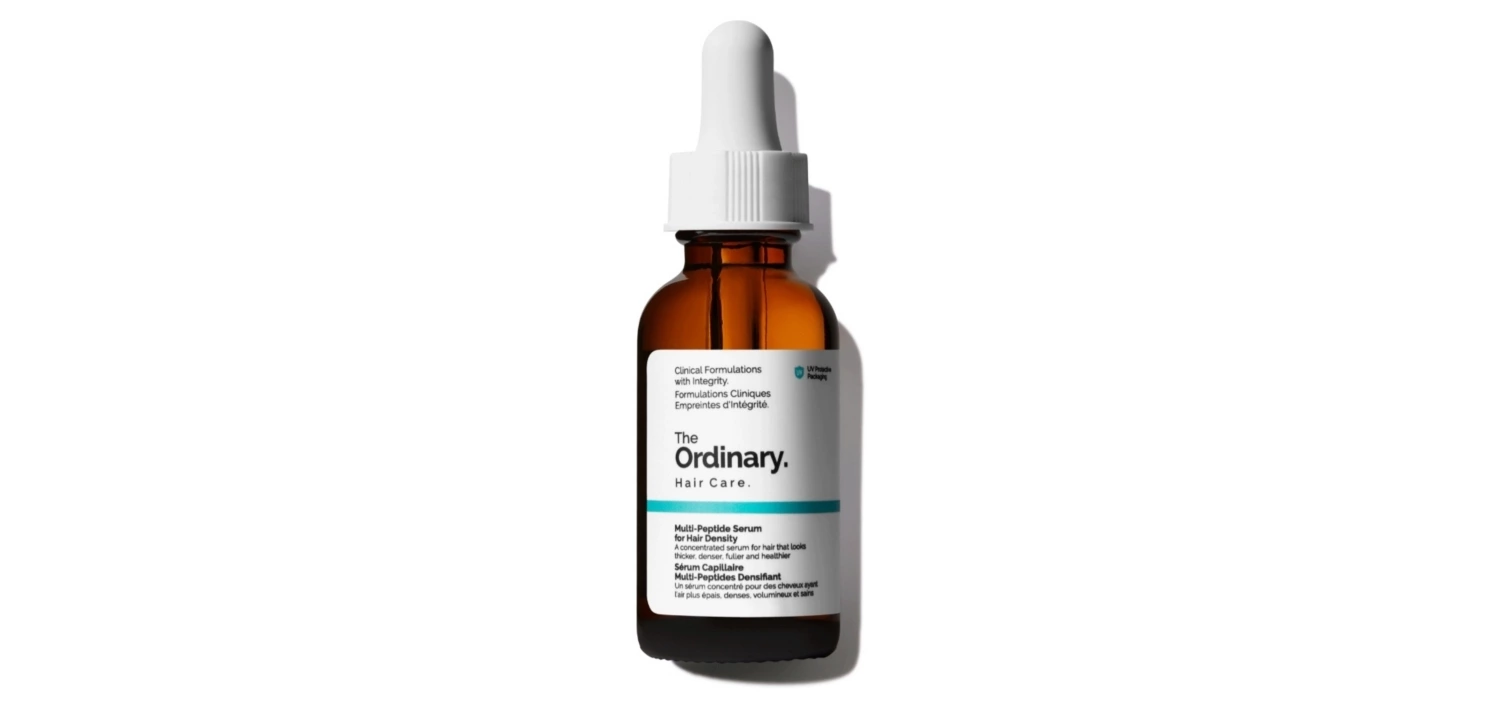
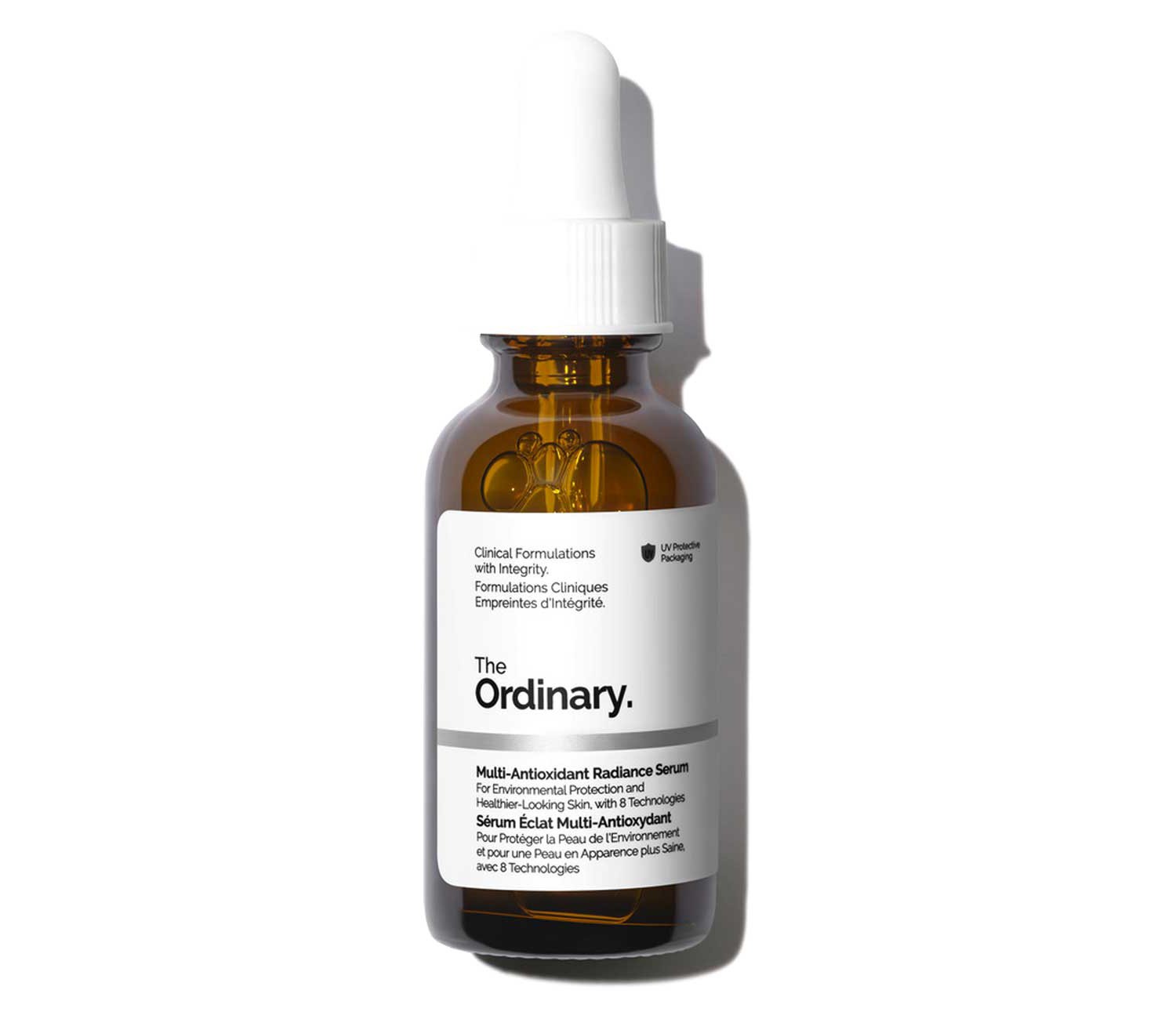
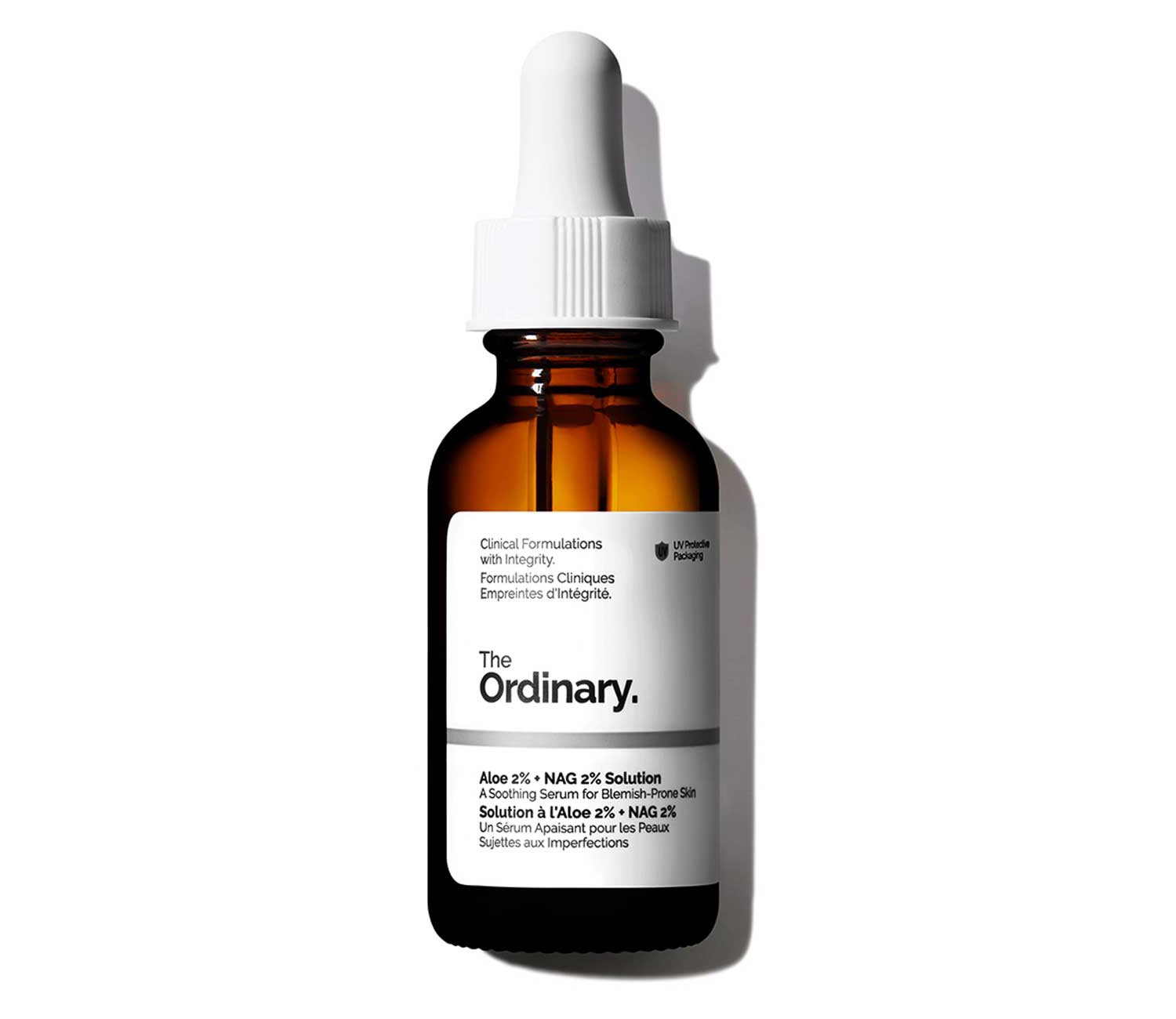
In our catalogue, Peptides appears in serums, moisturisers, eye care, sets and more.
Also listed as
On an ingredients label (INCI), Peptides may appear as: palmitoyl hexapeptide-12, palmitoyl tripeptide-1, acetyl hexapeptide-8, palmitoyl pentapeptide-4, copper tripeptide-1, palmitoyl tetrapeptide-7, acetyl octapeptide-3, dipeptide diaminobutyroyl benzylamide diacetate, decarboxy carnosine hcl, acetyl tetrapeptide-9, tripeptide-1, hexapeptide-9, nonapeptide-1, palmitoyl tripeptide-8, tetradecyl aminobutyroylvalylaminobutyric urea trifluoroacetate.
Using peptides with other ingredients
- Can you use vitamin C and copper peptides together? — use at different times
Related ingredients
Common questions about peptides
Are peptides better than retinol?
No — retinol has far more evidence for lines and texture. Peptides are a gentler option, or something to use alongside retinol.
Can I use peptides with vitamin C?
Generally yes. Some sources suggest separating copper peptides from strong acids or vitamin C; using them at different times of day avoids any issue.
Are peptides safe in pregnancy?
Peptides aren't known to pose particular risks, but check with your GP or pharmacist about any skincare you're unsure of while pregnant.
Sources
- Gorouhi F, Maibach HI. Role of topical peptides in preventing or treating aged skin. Int J Cosmet Sci, 2009.
- Robinson LR et al. Topical palmitoyl pentapeptide provides improvement in photoaged human facial skin. Int J Cosmet Sci, 2005.
Last reviewed 19 Oct 2026.