Ceramides
Barrier repair & protection
Ceramides are fats (lipids) that make up a large part of the skin's outer barrier, where they help hold water in and keep irritants out. Skincare products add them to support a dry, damaged or sensitive barrier, usually alongside cholesterol and fatty acids, which the skin uses together.
What is Ceramides?
Essential lipids that make up a large part of the skin's natural barrier. Help protect against moisture loss and environmental damage.
In skincare terms, Ceramides is an emollient that softens skin and helps support a smooth, comfortable feel.
What ceramides do
Between the cells of the skin's outer layer is a mix of lipids — roughly ceramides, cholesterol and free fatty acids — that works like mortar between bricks. Lower ceramide levels are linked with dry skin and conditions such as eczema (Coderch 2003; Meckfessel 2014).
Moisturisers containing ceramides aim to top up this mix and help a disrupted barrier recover.
Why the mix matters
In a laboratory study, applying just one or two of the three barrier lipids to damaged skin slowed recovery, while a balanced mix of ceramides, cholesterol and fatty acids allowed normal repair, and increasing one of them up to three times the others sped repair further (Man 1996). The work was mostly done in mice, with early results in human skin, but it is why many barrier creams combine all three.
The names you'll see on labels
We group these under Ceramides:
- Ceramide NP, AP, EOP and NS — individual ceramide types, often listed together.
- Phytosphingosine and sphingolipids — related lipids, often used alongside ceramides.
- Look for cholesterol and fatty acids (such as stearic or linoleic acid) in the same list.
How to use them
- Ceramides are usually in moisturisers and creams, used once or twice a day.
- They are a good companion to drying actives such as retinol or exfoliating acids.
- Ceramides often sit low in the ingredient list; that is normal and doesn't mean the product won't help.
Who they suit and side effects
Ceramides suit almost everyone, and are particularly useful for dry, sensitive or eczema-prone skin and for skin irritated by actives. Reactions to ceramides themselves are very rare; if a ceramide product irritates, another ingredient such as fragrance is a more likely cause.
Where you'll find it
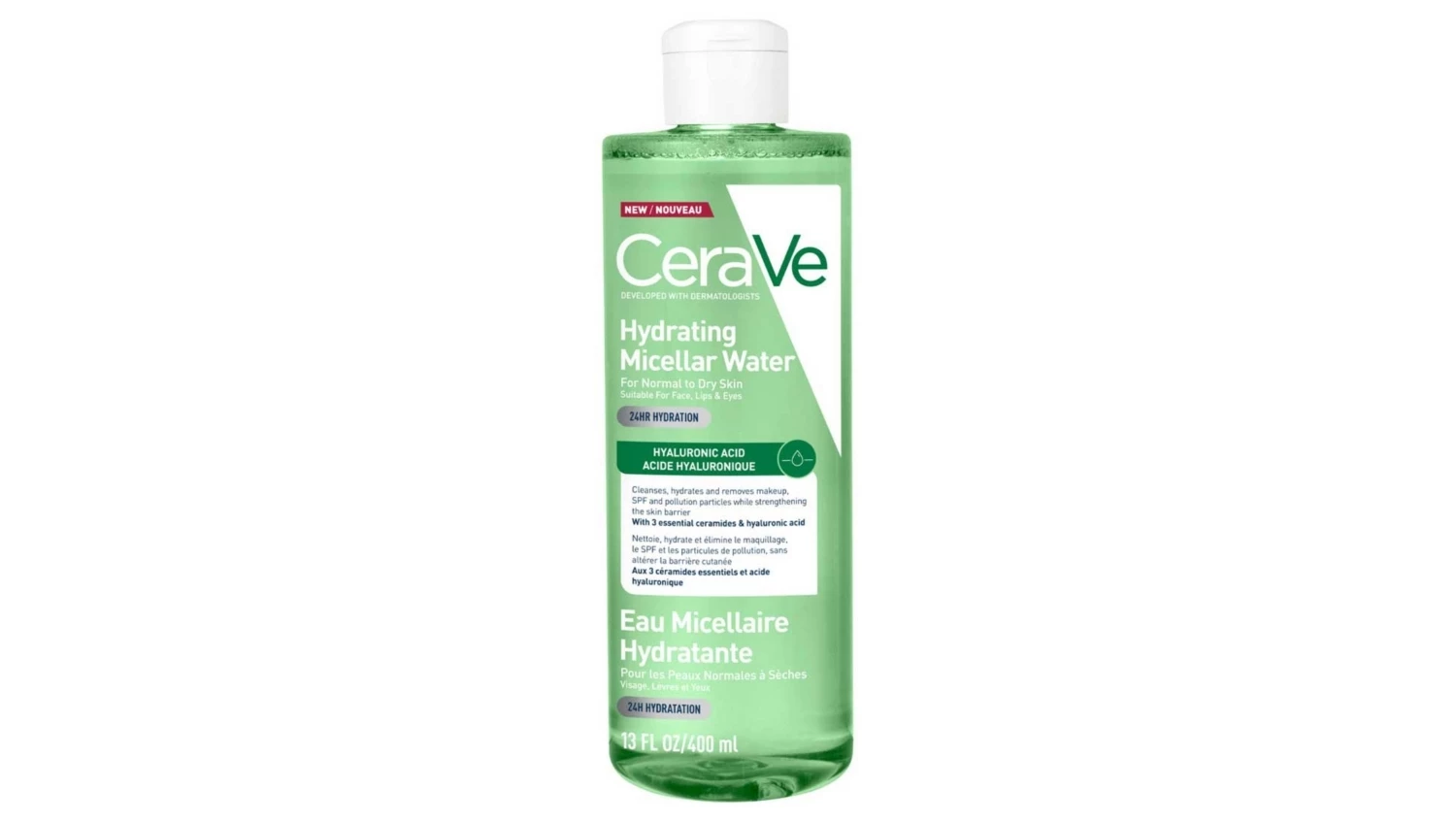
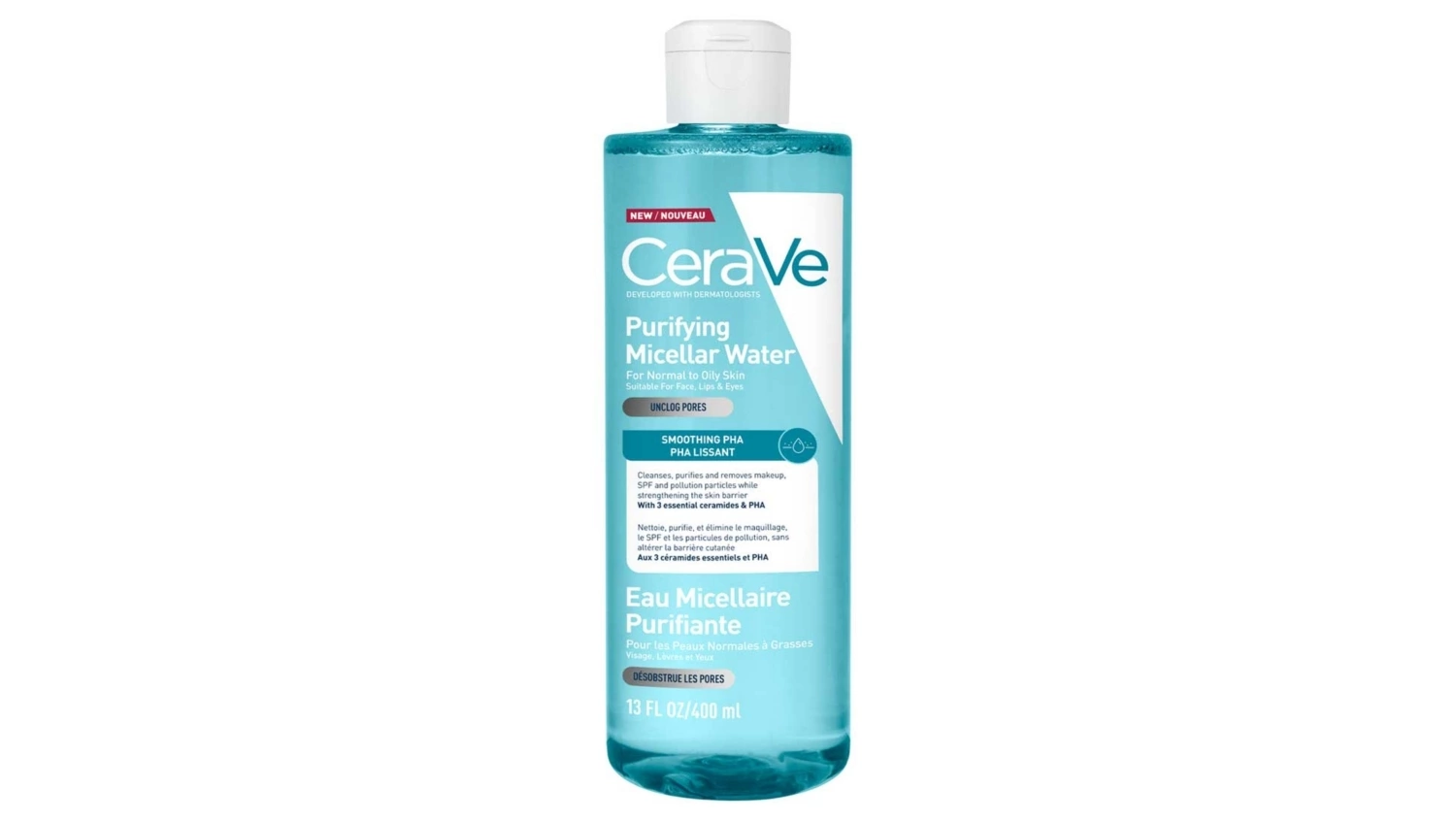
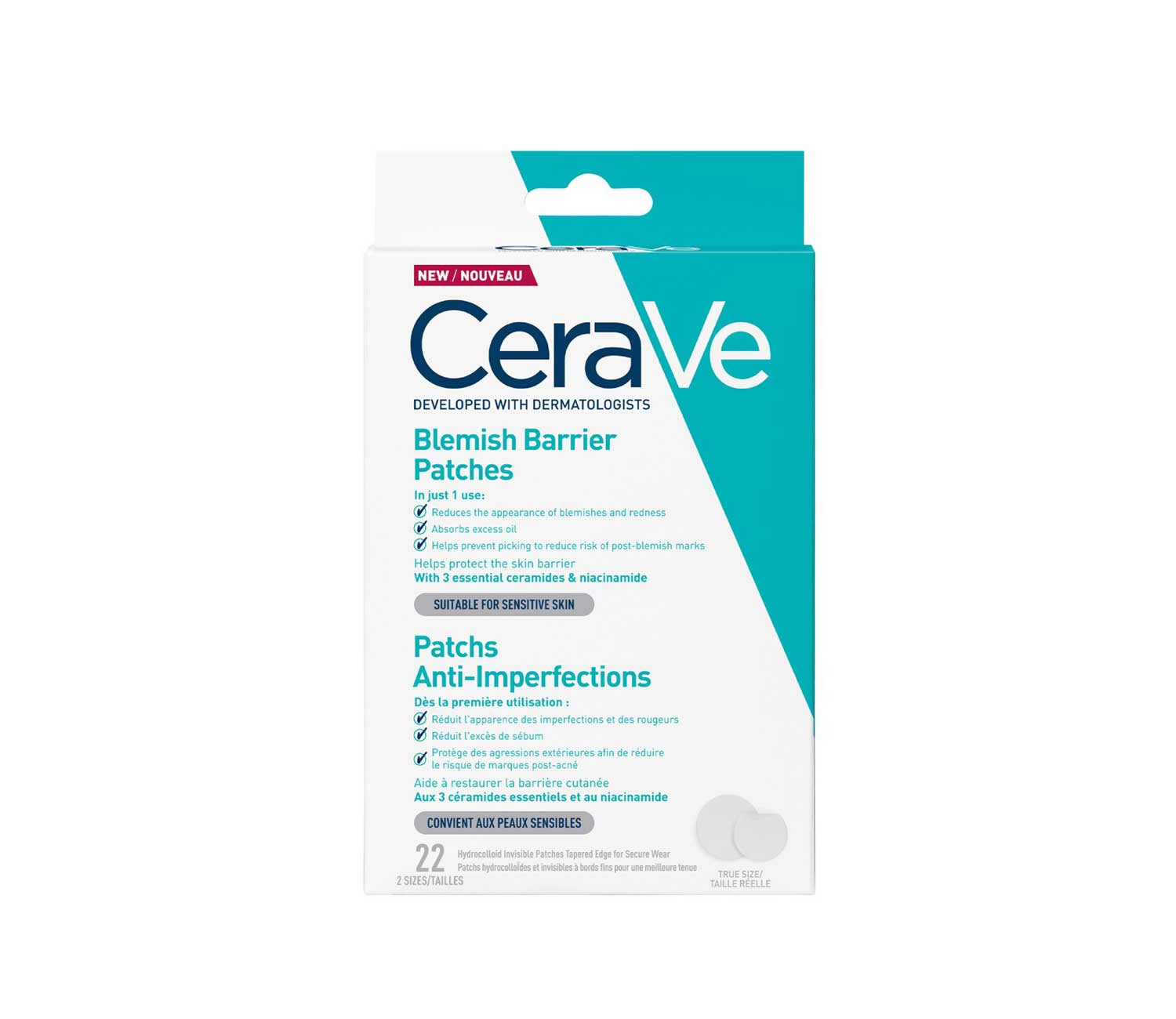
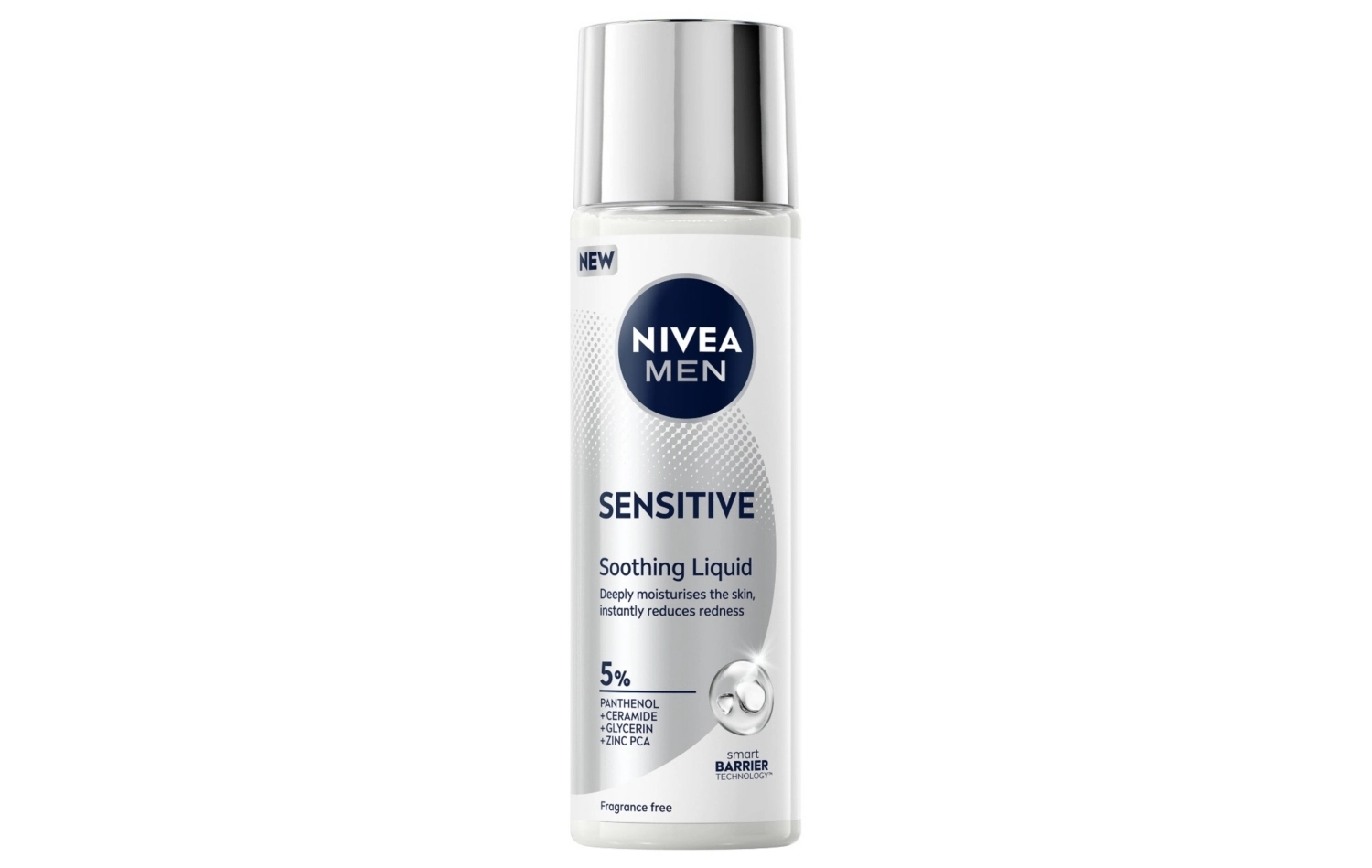
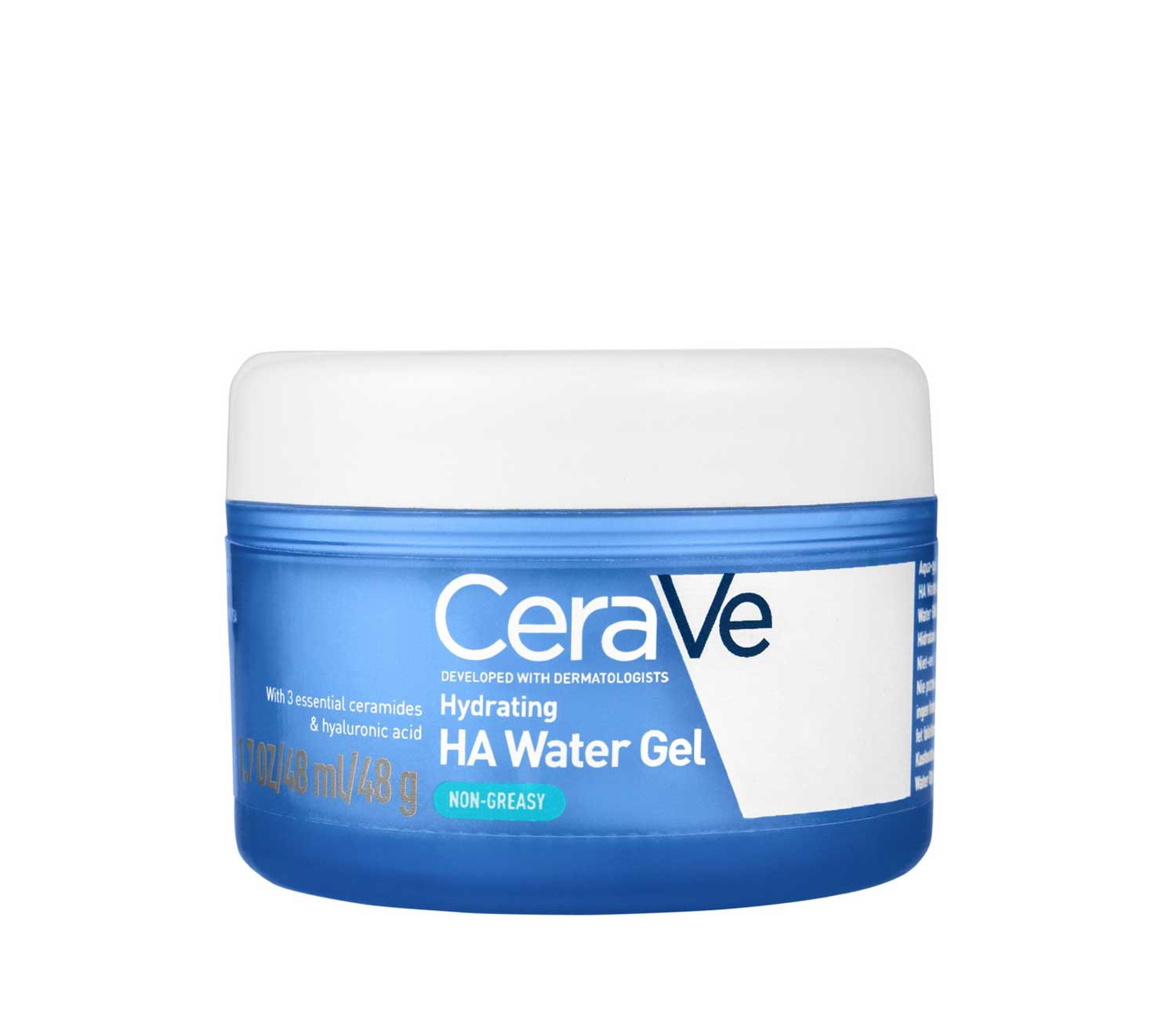
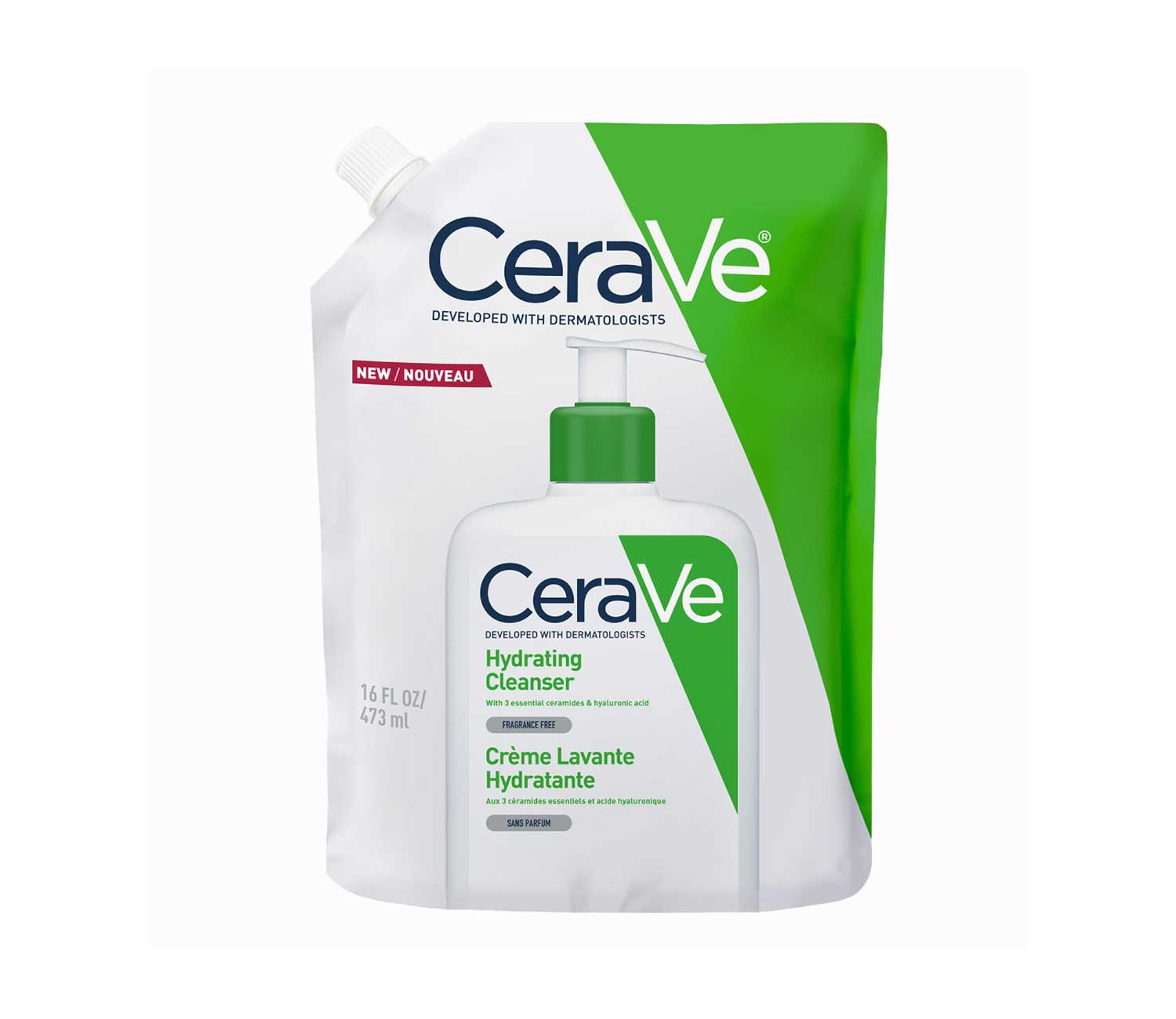
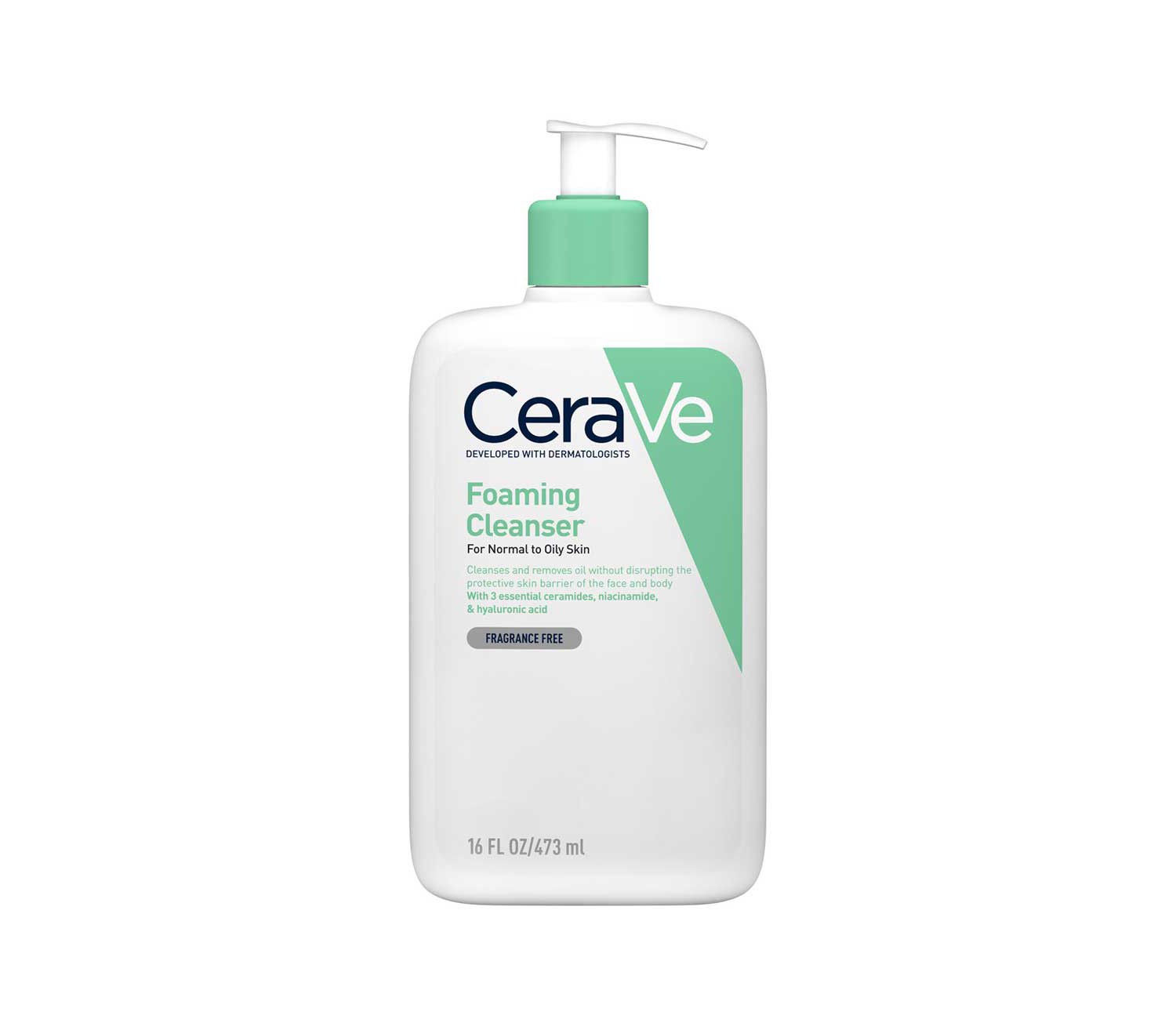
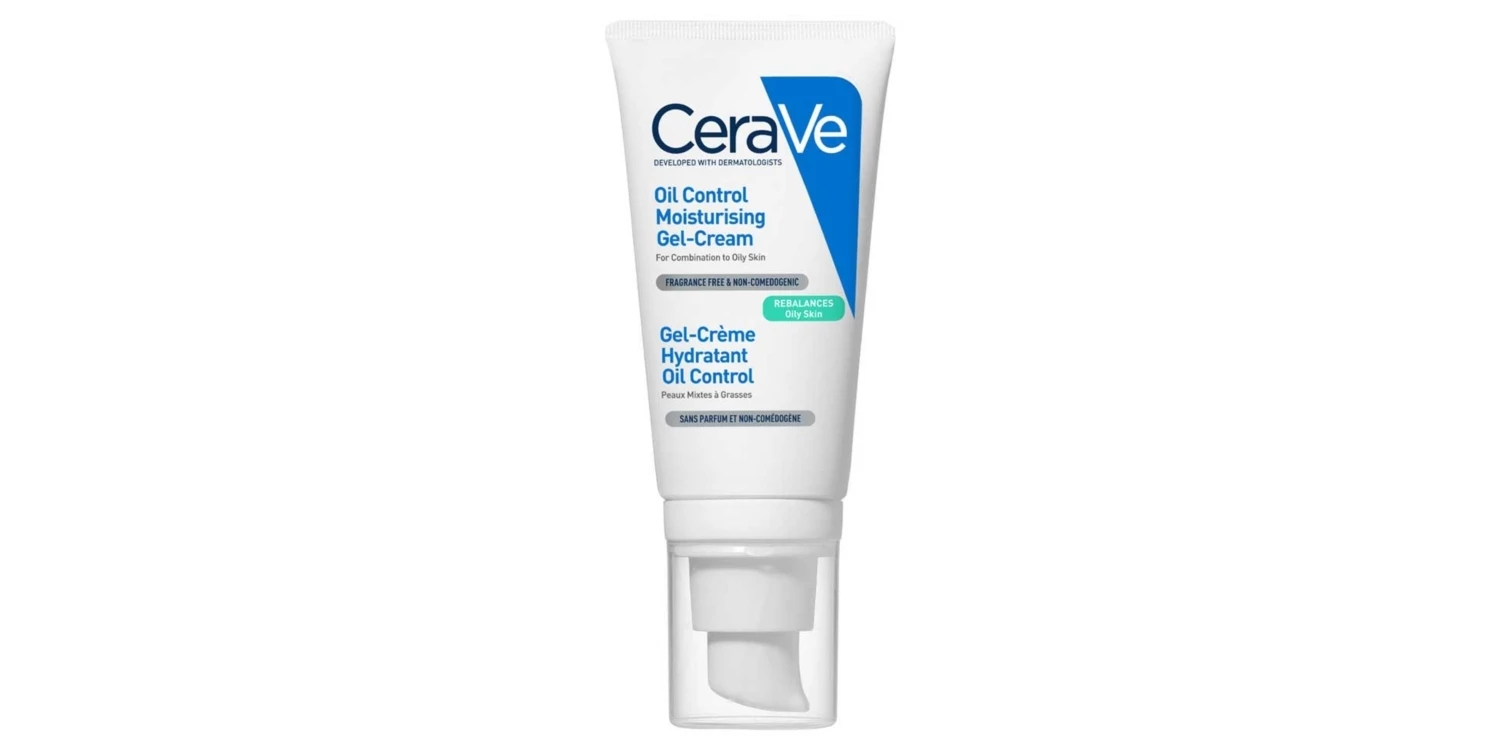
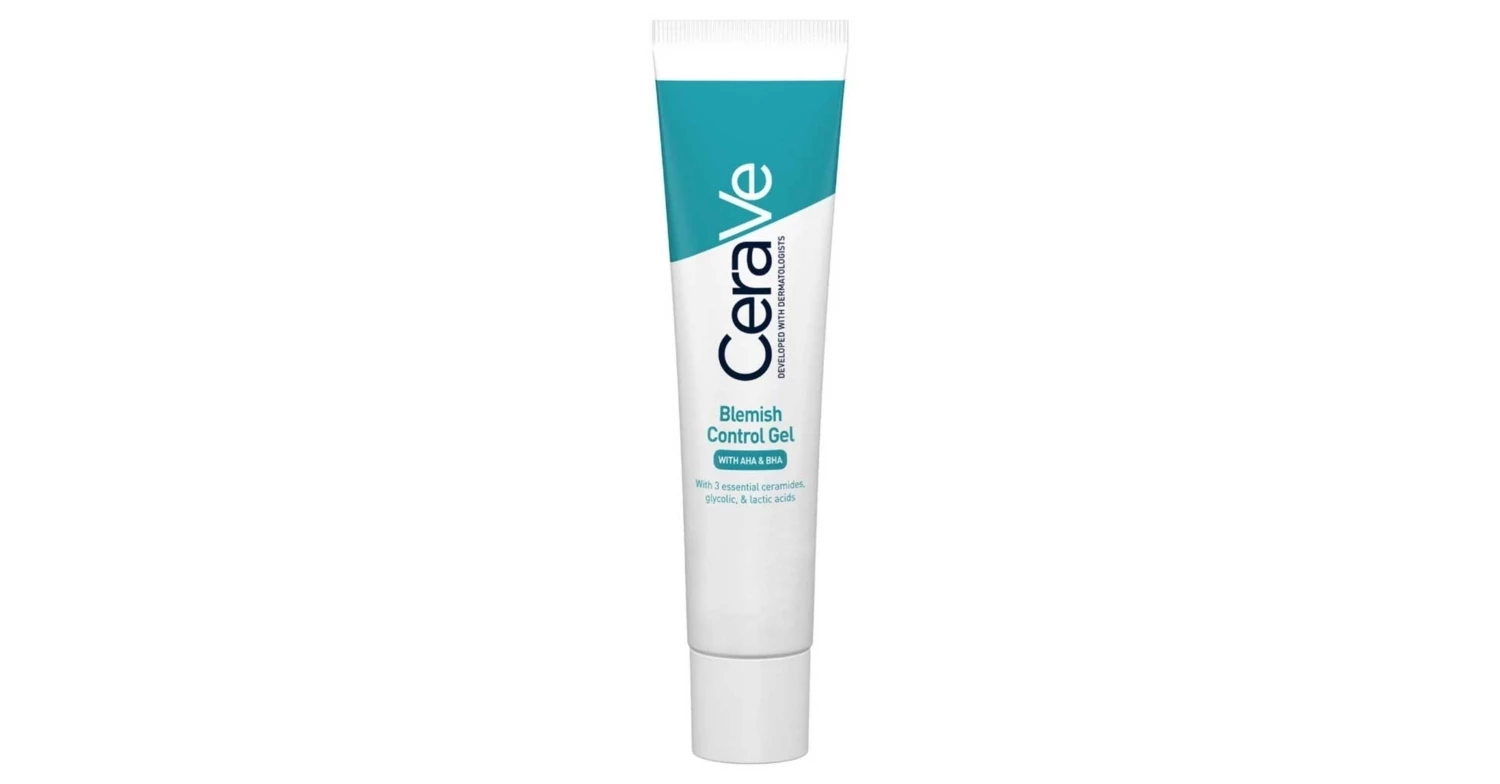
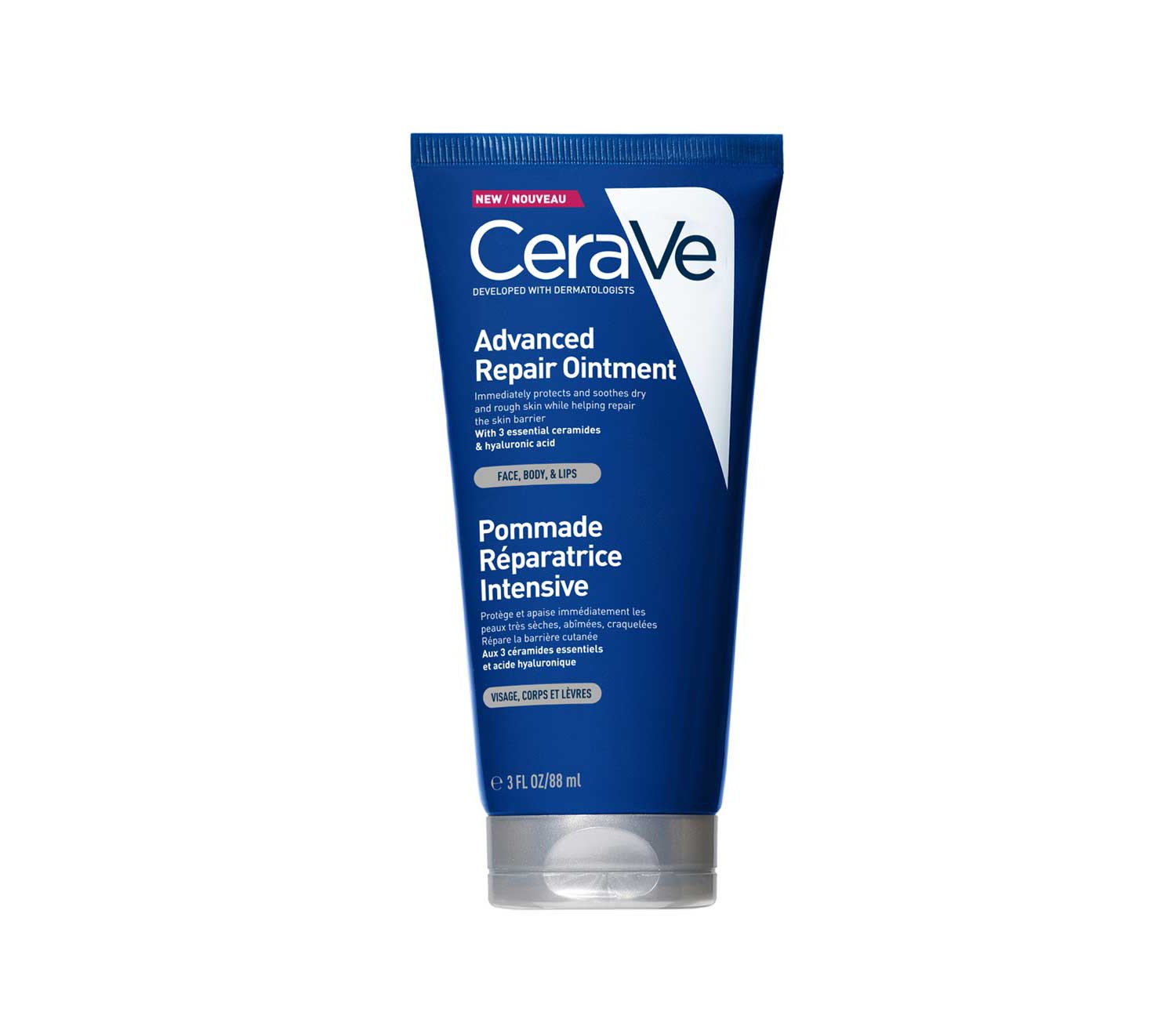
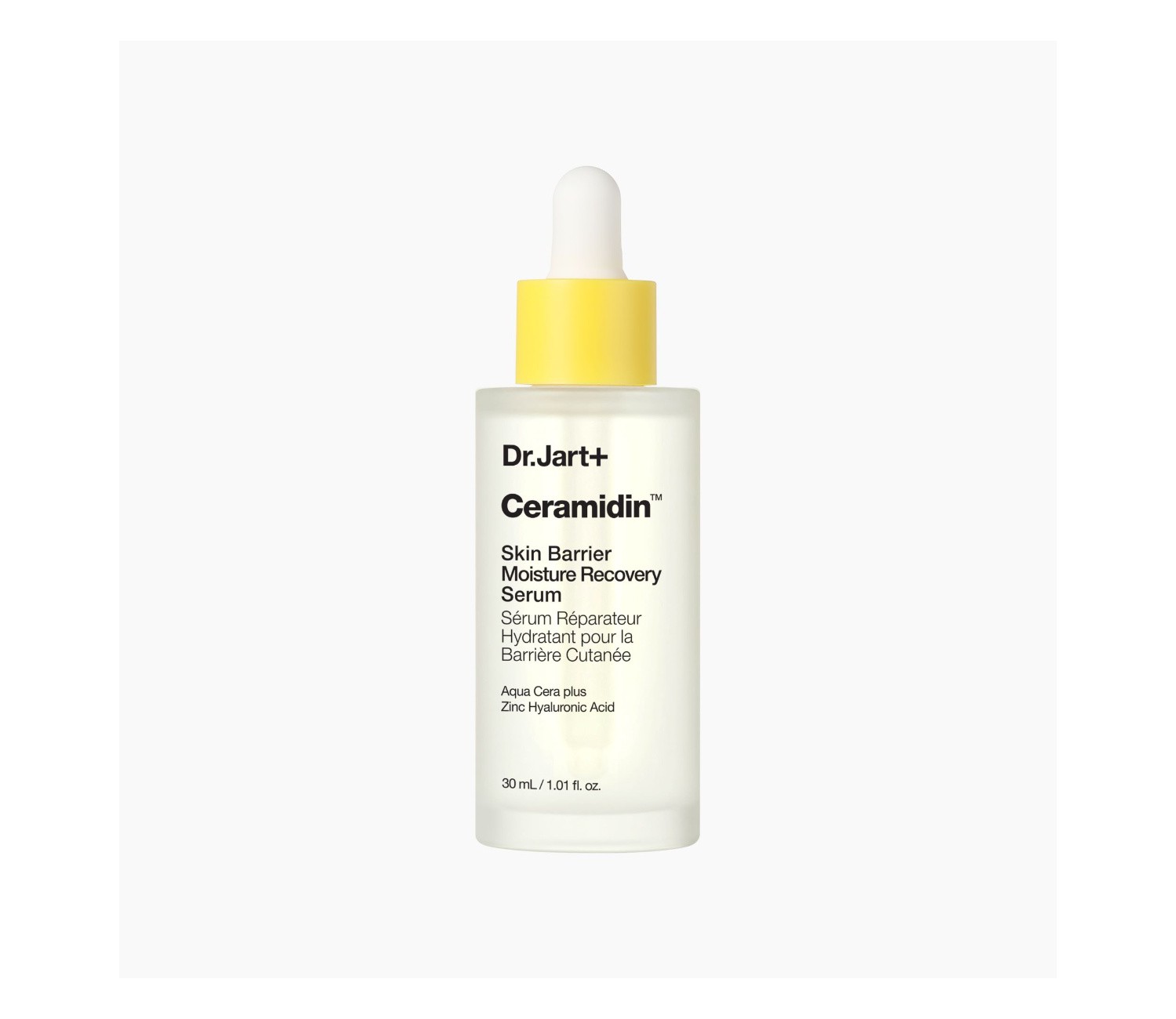
In our catalogue, Ceramides appears in moisturisers, sets, cleansers, serums and more.
Also listed as
On an ingredients label (INCI), Ceramides may appear as: ceramide np, ceramide ap, ceramide eop, ceramide ns, ceramide, ceramides, phytosphingosine, sphingolipids.
Looking for a product with ceramides? See our best ceramide moisturisers, compared by ingredients.
Related ingredients
Common questions about ceramides
Are ceramides good for oily skin?
Yes. Oily skin can still have a weak barrier, especially if it is being treated with drying products. Look for a light lotion or gel-cream.
Can I use ceramides with retinol?
Yes. Supporting the barrier with a moisturiser can make retinol easier to tolerate.
Do ceramides help eczema?
Ceramide moisturisers are widely used for eczema-prone skin, but eczema needs proper management. Speak to a pharmacist or GP if it flares.
Sources
- Coderch L et al. Ceramides and skin function. Am J Clin Dermatol, 2003.
- Meckfessel MH, Brandt S. The structure, function, and importance of ceramides in skin and their use as therapeutic agents in skin-care products. J Am Acad Dermatol, 2014.
- Man MQ et al. Optimization of physiological lipid mixtures for barrier repair. J Invest Dermatol, 1996.
Last reviewed 19 Oct 2026.