Squalane
Lightweight emollient
Squalane is a light, stable oil that is very similar to squalene, a natural component of the skin's own oil. It softens and moisturises without feeling greasy, rarely irritates and doesn't go rancid easily, which is why it is used in everything from face oils to moisturisers.
What is Squalane?
A stable, lightweight oil that closely mimics the skin's natural sebum. Moisturises without feeling heavy or greasy. Well tolerated by most.
In skincare terms, Squalane is an emollient that softens skin and helps support a smooth, comfortable feel.
What squalane does
Squalene is one of the main oils on the surface of human skin, where it acts as an emollient and antioxidant (Huang 2009). Squalane is a version with the double bonds removed, which makes it much more stable in products. It fills gaps between skin cells so skin feels smoother and loses less water.
Squalane vs squalene
Squalene breaks down easily when exposed to air and light. Squalane is the stabilised form and is the one used in most skincare; we group both under Squalane. Squalene was traditionally taken from shark liver oil; most squalane in skincare now comes from olives or sugar cane, and many brands say which they use.
How to use it
- A few drops of a squalane oil can go on after serums or be mixed into a moisturiser.
- It can be used morning and night and sits well under sunscreen and make-up.
- It is also useful on dry patches, cuticles and the ends of hair.
Who it suits and side effects
Squalane suits most skin types, including oily and sensitive skin, and is generally considered unlikely to clog pores. Reactions are rare.
Where you'll find it
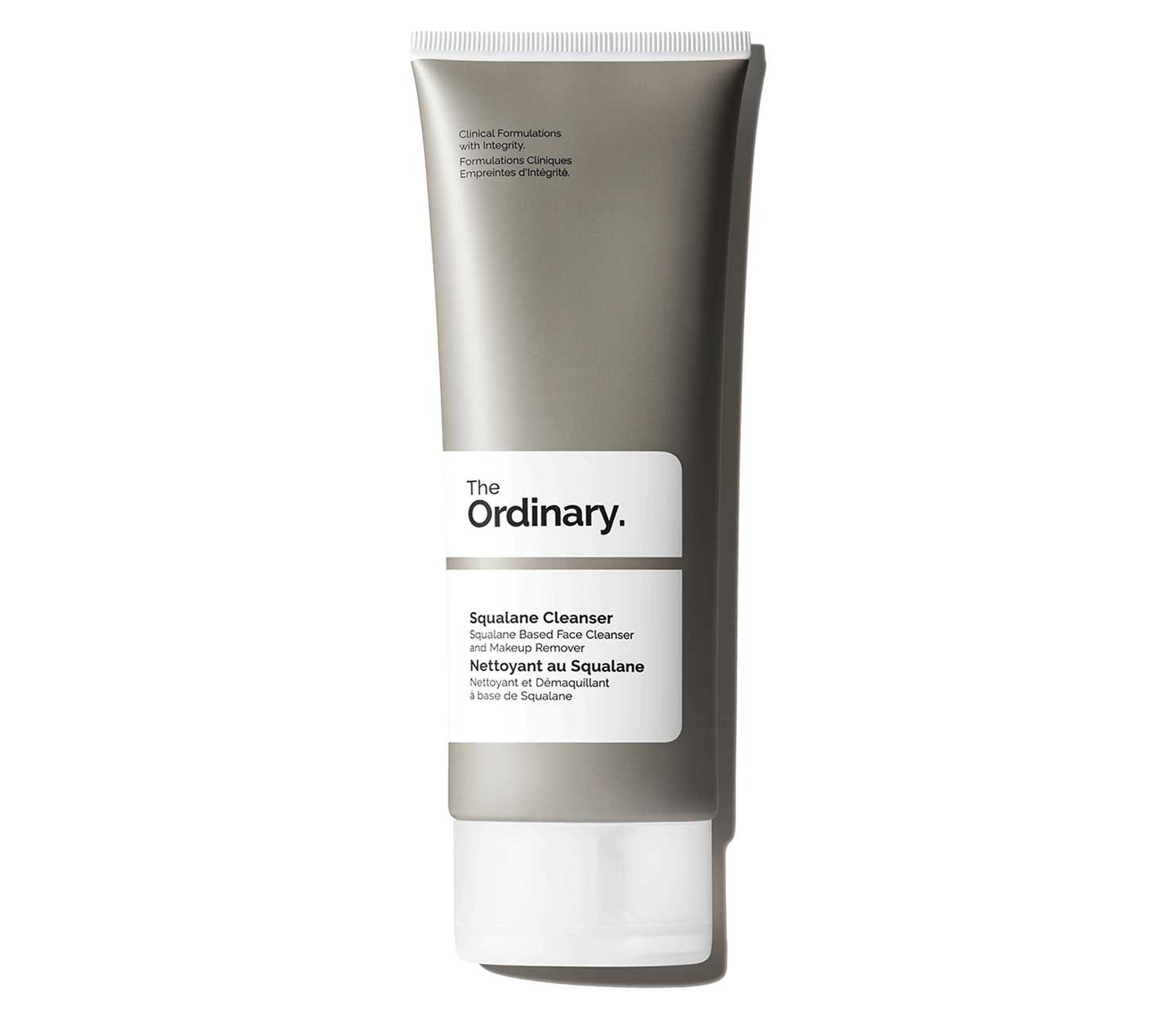
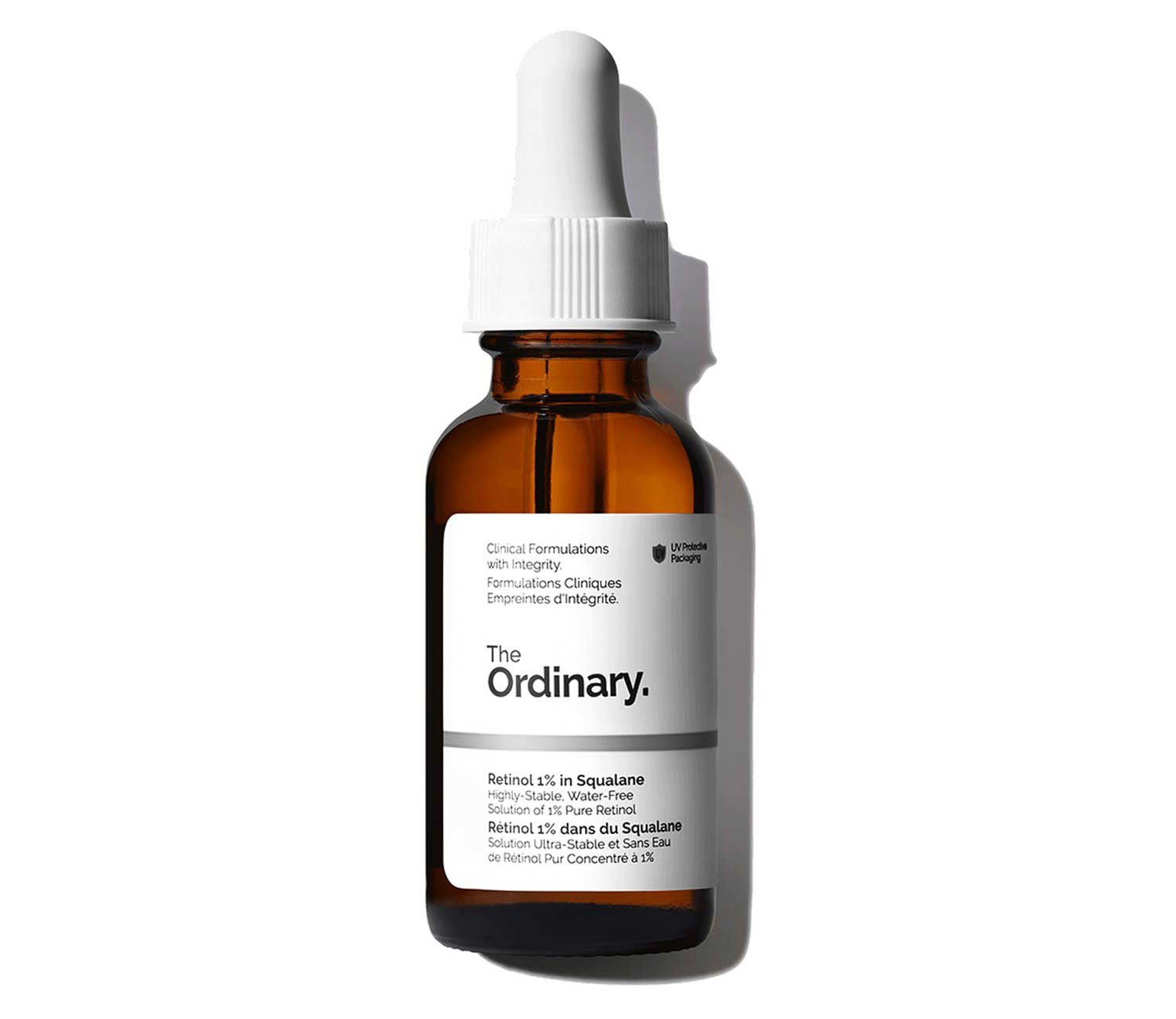
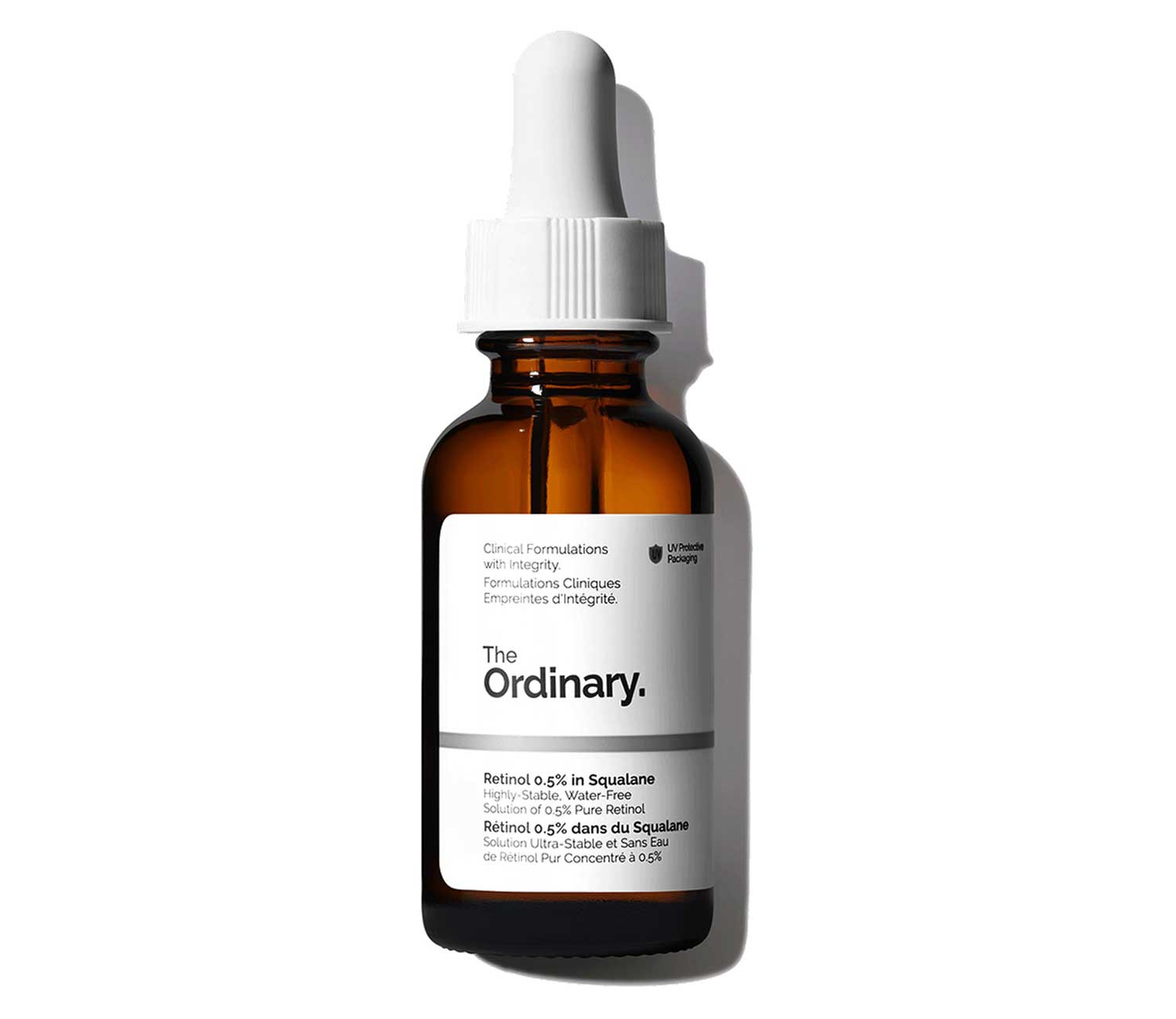
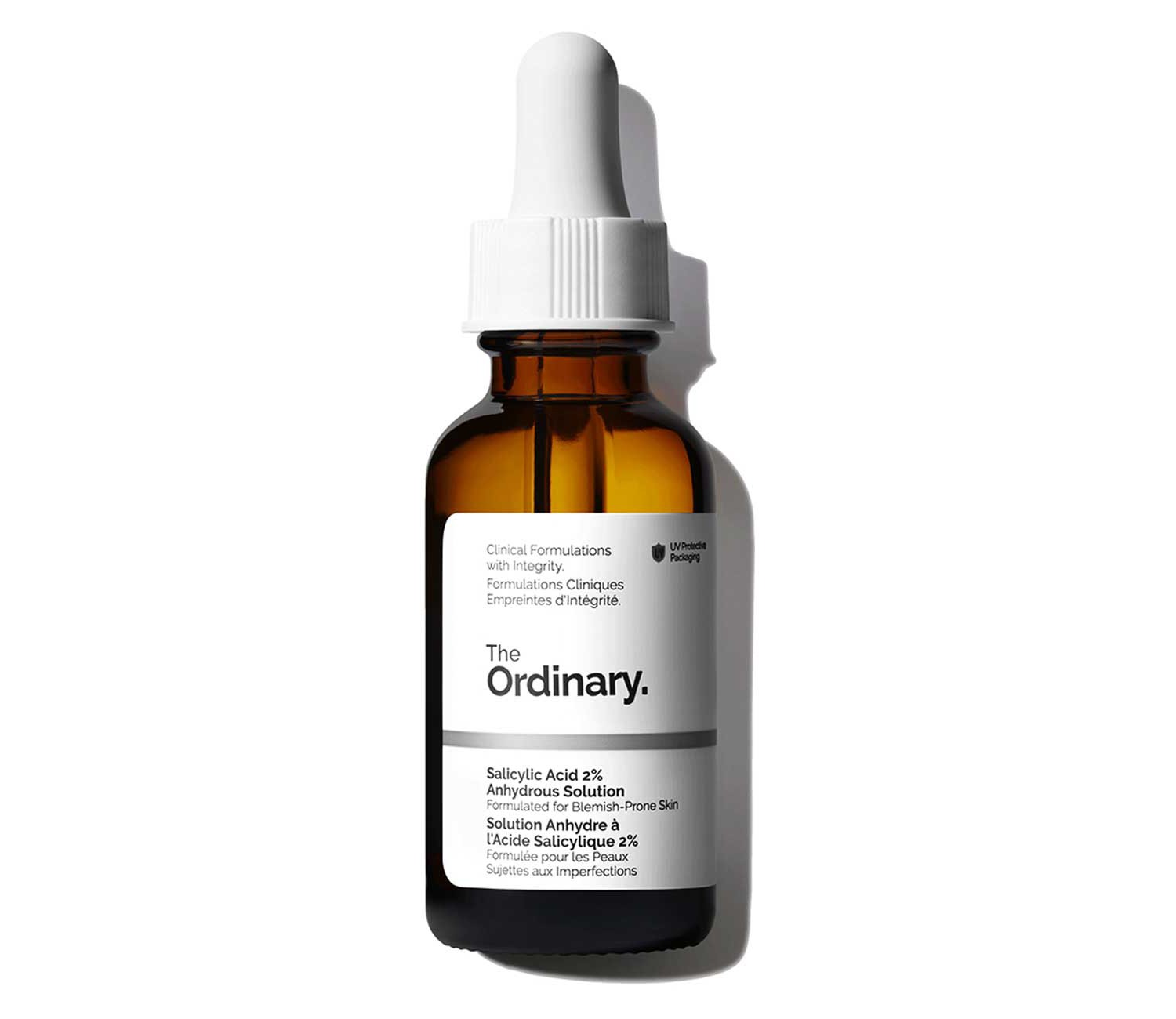
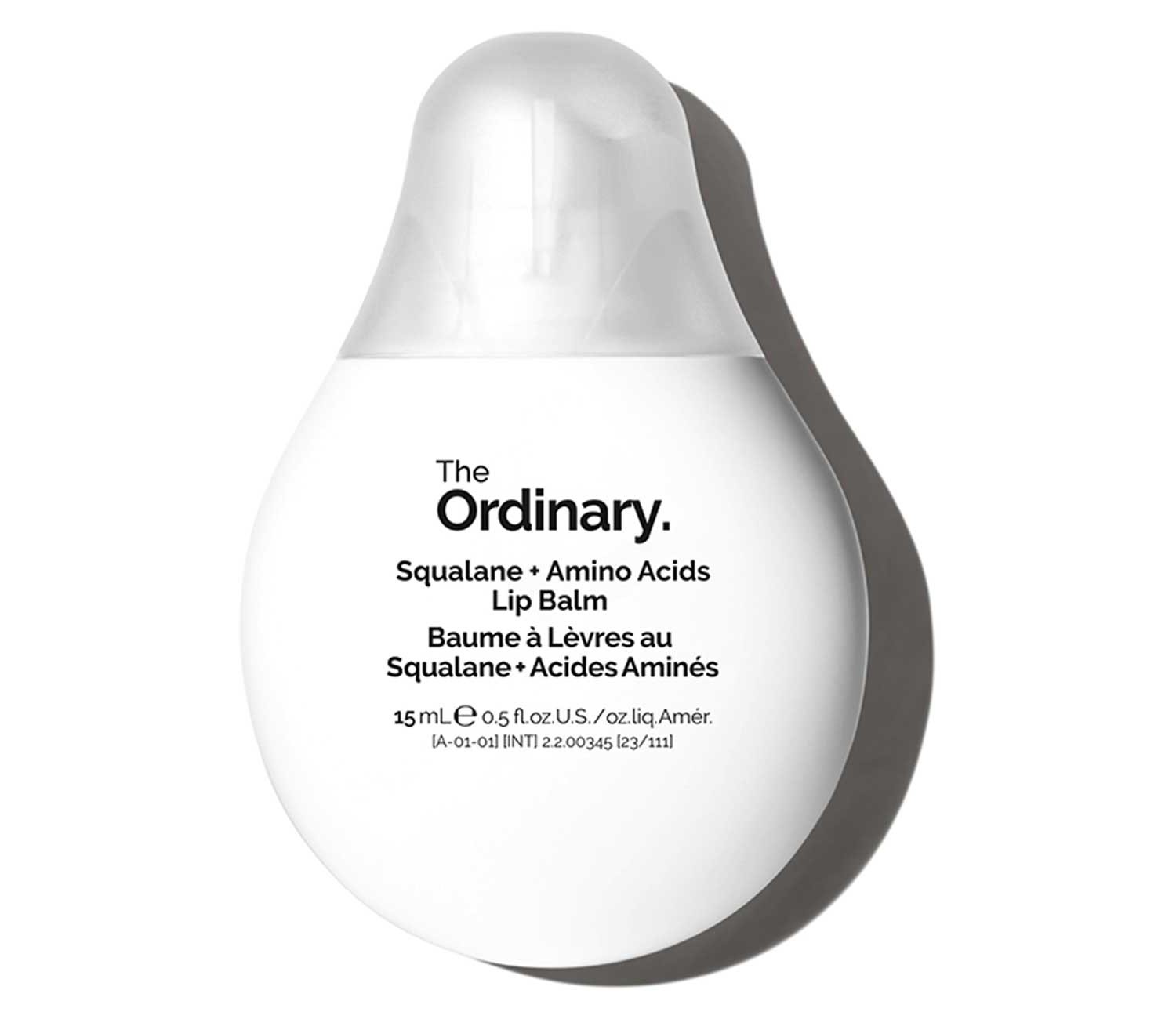
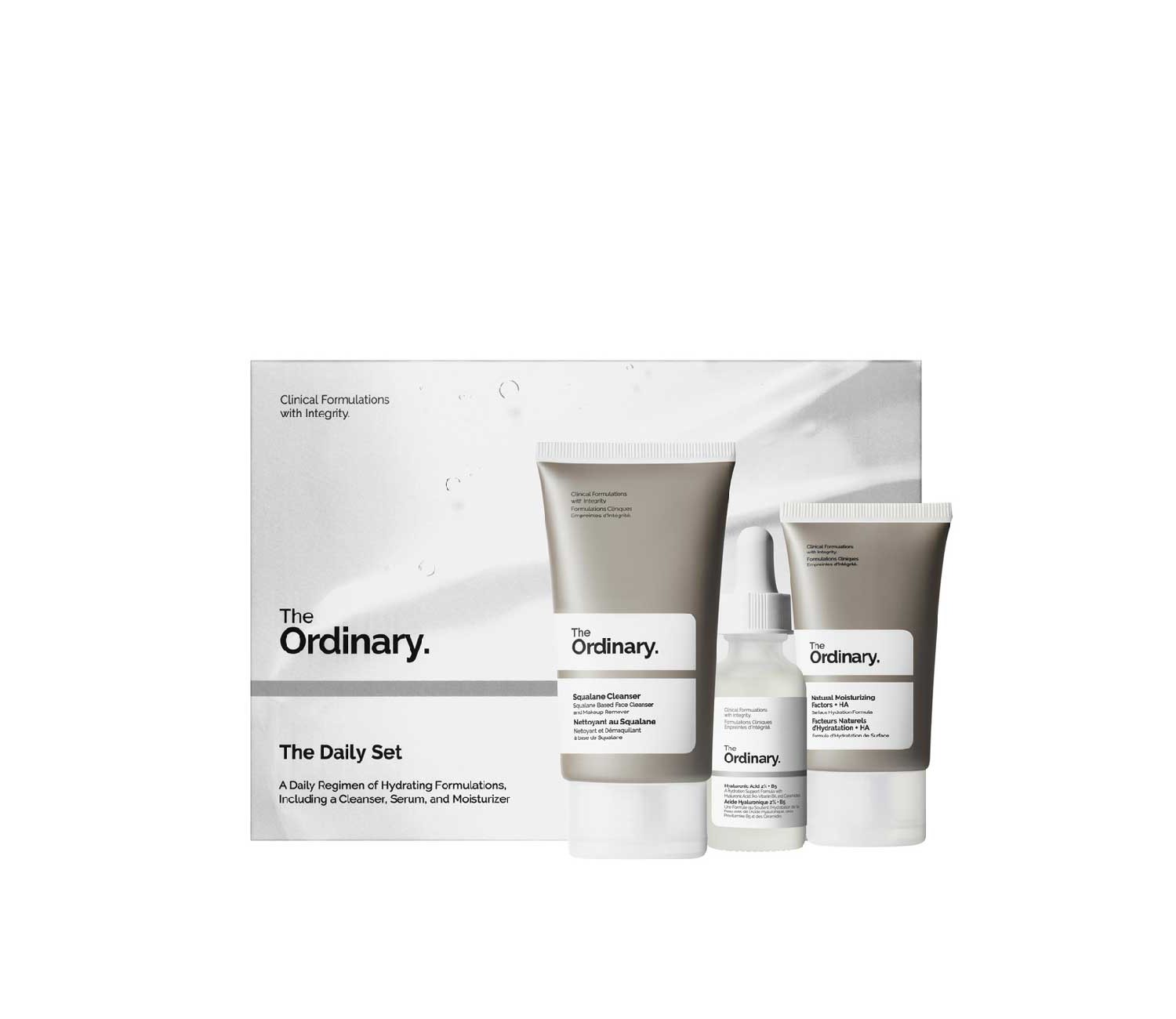
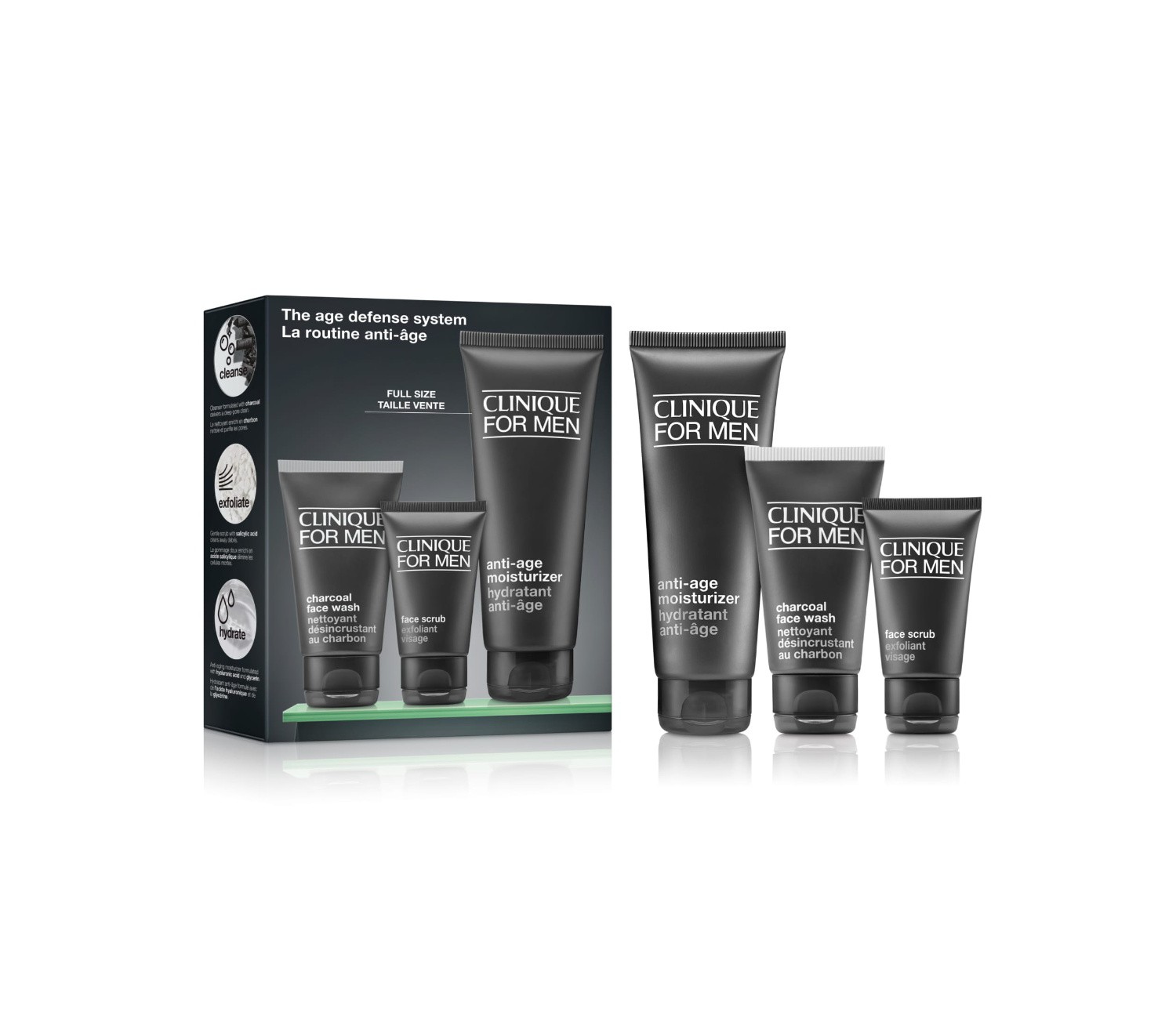
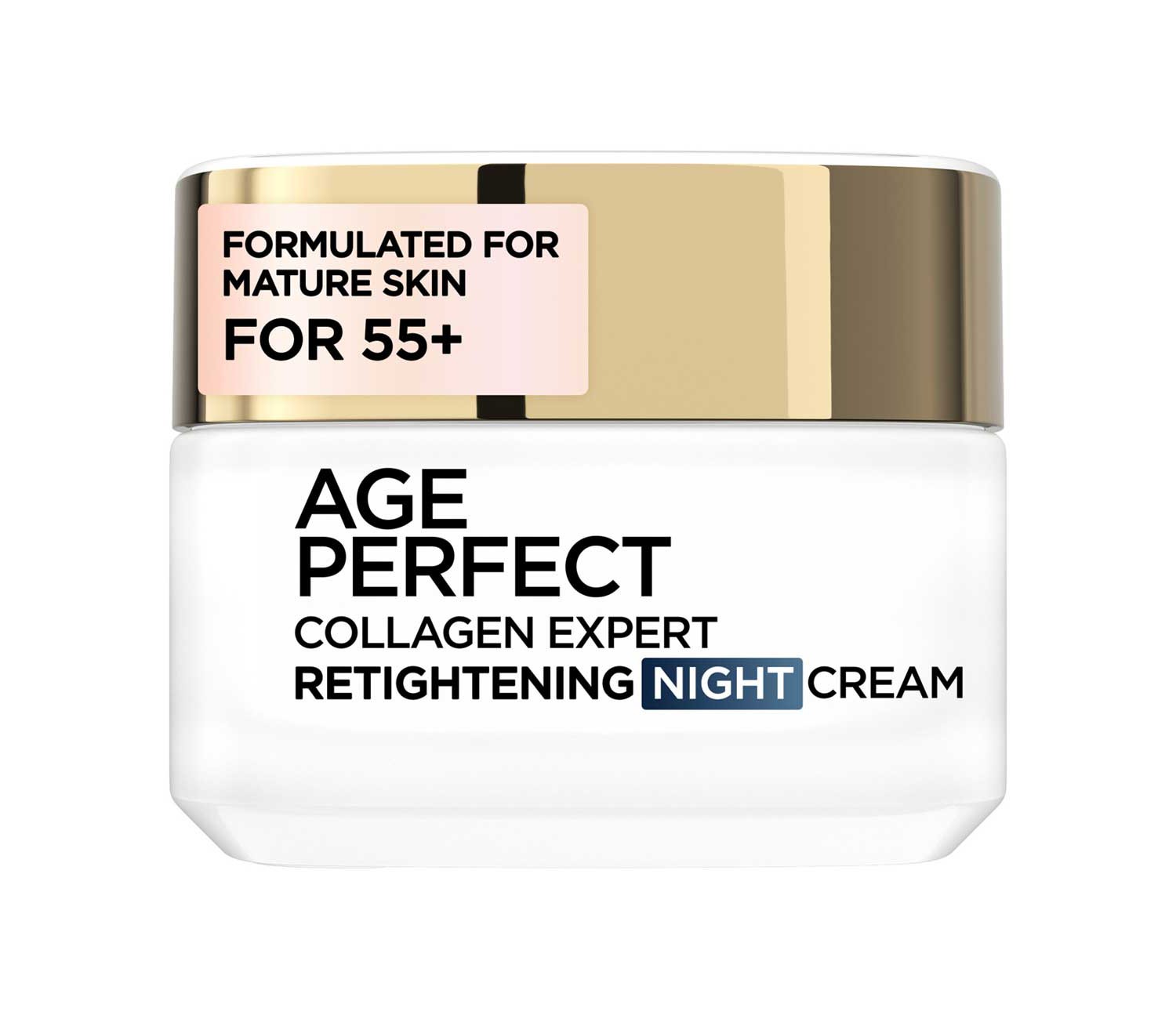
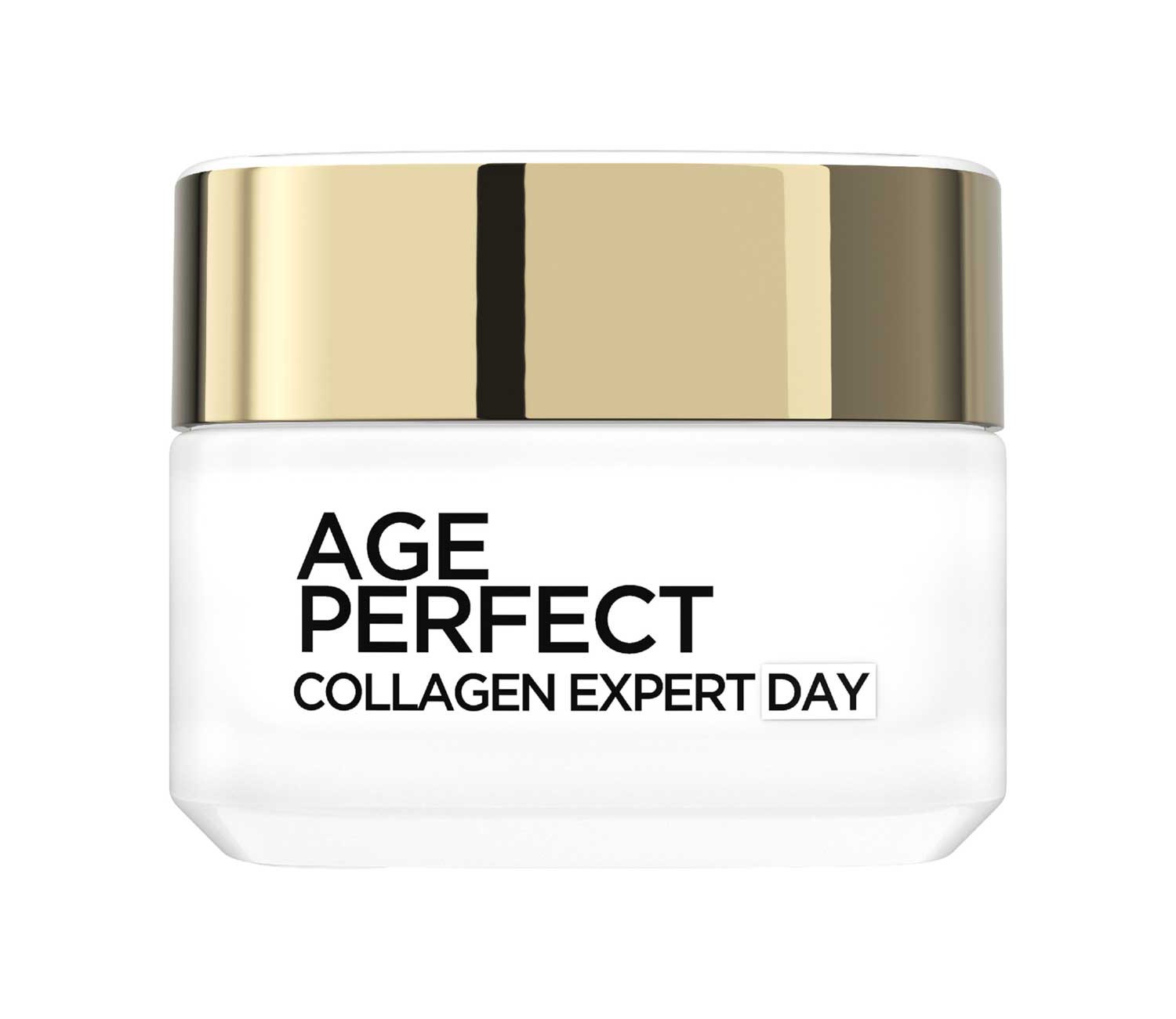
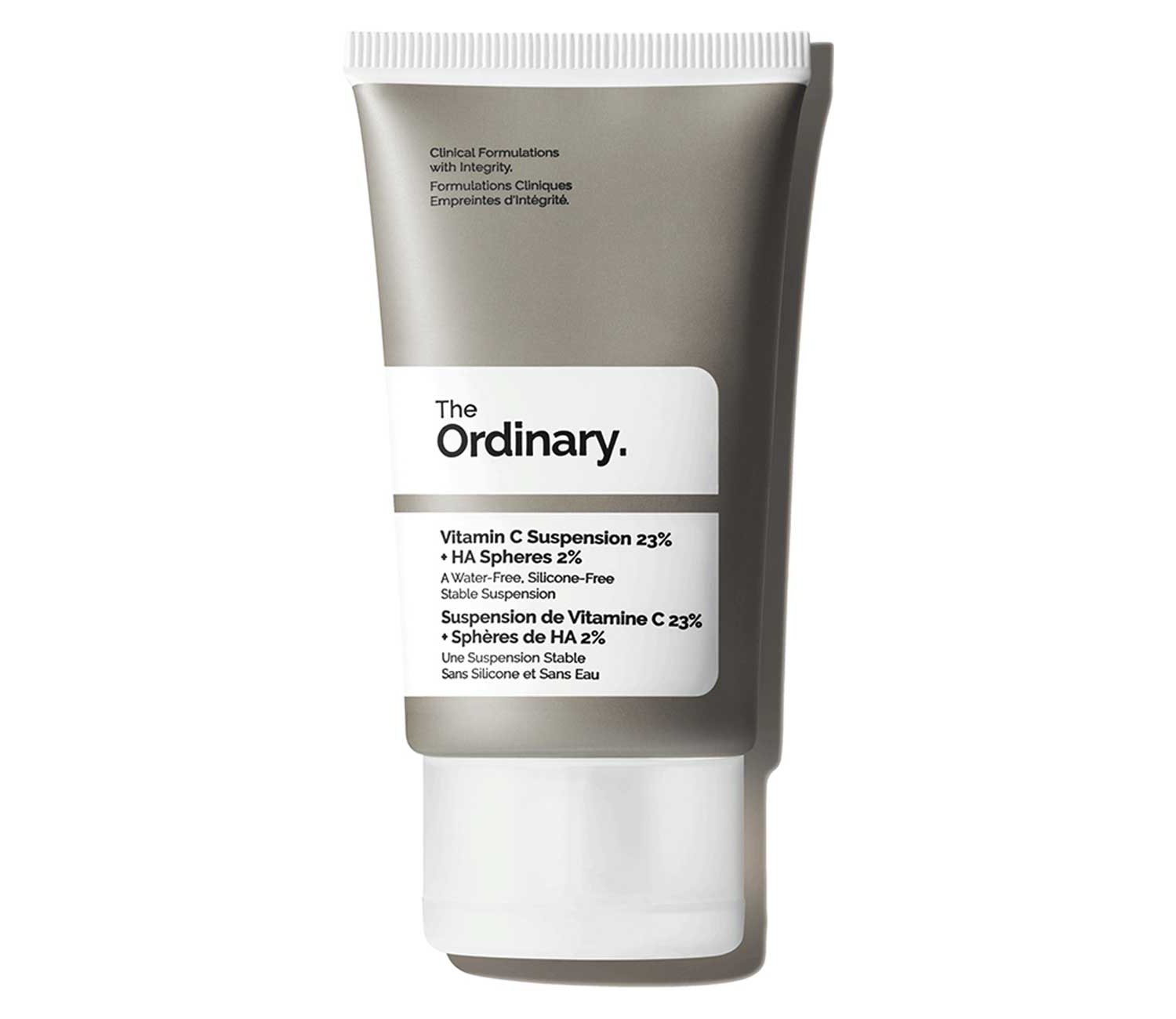
In our catalogue, Squalane appears in moisturisers, serums, sets, skincare and more.
Also listed as
On an ingredients label (INCI), Squalane may appear as: squalane, squalene.
Related ingredients
Common questions about squalane
Is squalane good for oily skin?
Often, yes. It is lightweight and non-greasy, and some people with oily skin find it a comfortable alternative to heavier creams.
Is squalane comedogenic?
It is generally regarded as unlikely to clog pores, but breakouts depend on the whole formula and the individual.
Can I use squalane with retinol?
Yes. It can make the dryness that retinol often causes more comfortable.
Sources
Last reviewed 19 Oct 2026.