Salicylic Acid
Exfoliant & pore clearer
Salicylic acid is a beta-hydroxy acid (BHA) that dissolves in oil, so it can work inside pores as well as on the surface. It loosens the dead skin cells and oil that clog pores, which is why it is one of the most common ingredients in products for blackheads and breakouts.
What is Salicylic Acid?
A beta-hydroxy acid (BHA) that works inside the pore to remove dead skin cells and excess oil. Commonly used in acne-prone skincare.
In skincare terms, Salicylic Acid is an exfoliating ingredient that helps lift away dead surface skin cells.
What salicylic acid does
Salicylic acid loosens the bonds between dead cells on the surface of the skin so they shed more easily, and because it is oil-soluble it reaches into pores. That makes it particularly useful for blackheads, whiteheads and congestion (Arif 2015).
In a small split-face study of mild to moderate acne, a 2% salicylic acid cream reduced spots by a similar amount to a benzoyl peroxide and adapalene gel over 28 days (Zheng 2019). That was one short study, but it shows that a 2% product can make a real difference.
How much salicylic acid do you need?
Most leave-on products contain 0.5–2%. EU and GB cosmetics rules cap salicylic acid at 2% in most face products, and it isn't allowed in products for children under 3. In cleansers it is rinsed off within a minute, so a leave-on toner, serum or gel usually does more.
How to use it
- Start with a leave-on product two or three times a week, then build up to daily if your skin is comfortable.
- Apply to clean, dry skin and follow with a moisturiser.
- Use sunscreen in the daytime, as with any exfoliant.
- Avoid layering it with other strong exfoliants or retinoids on the same night until you know how your skin reacts.
Who it suits and side effects
Salicylic acid suits oily, combination and breakout-prone skin best. The most common side effects are dryness, tightness and peeling, usually from using too much too often. People who are allergic to aspirin are generally advised to avoid it. If you're pregnant, check with a pharmacist before using salicylic acid products.
Where you'll find it
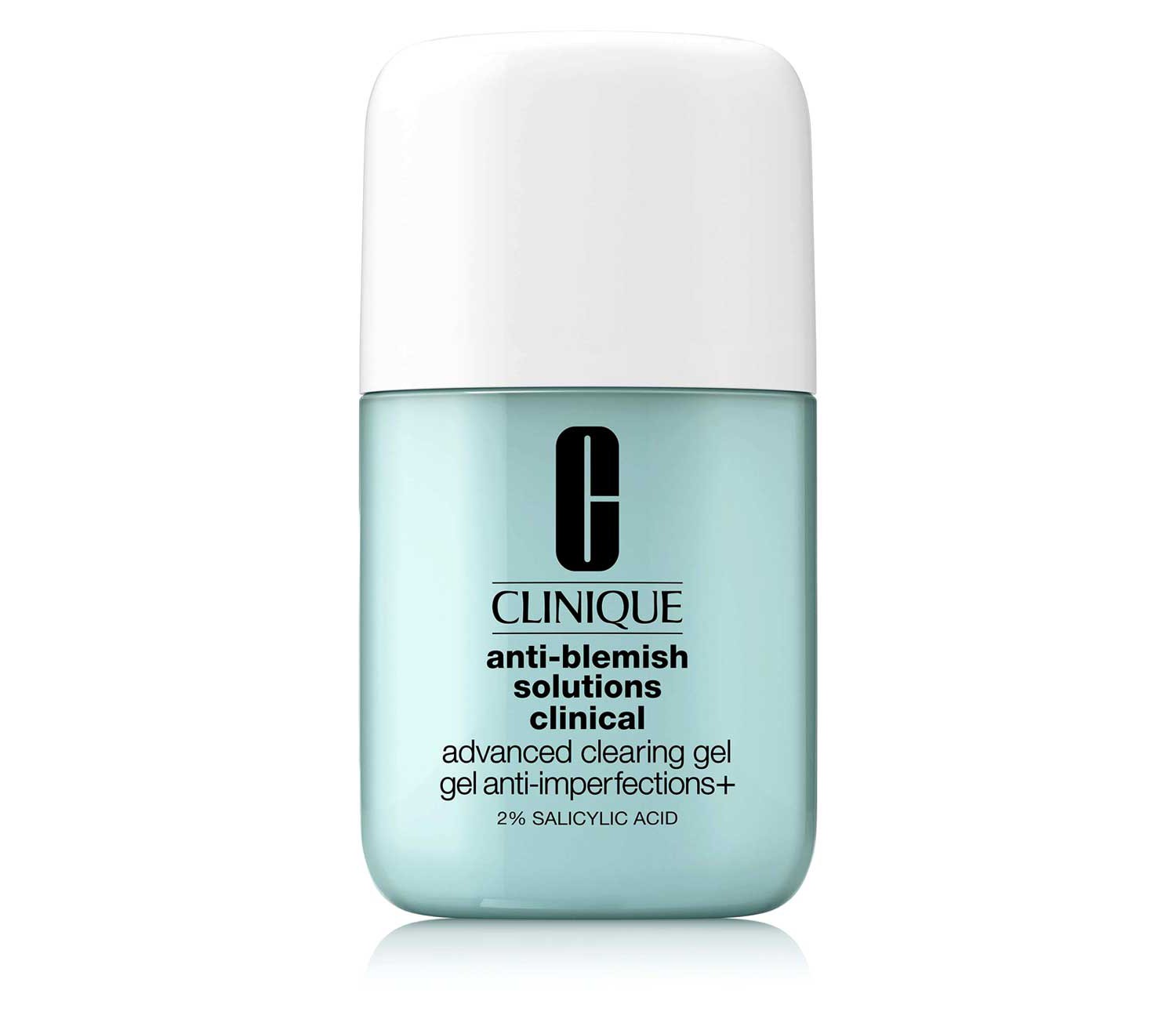
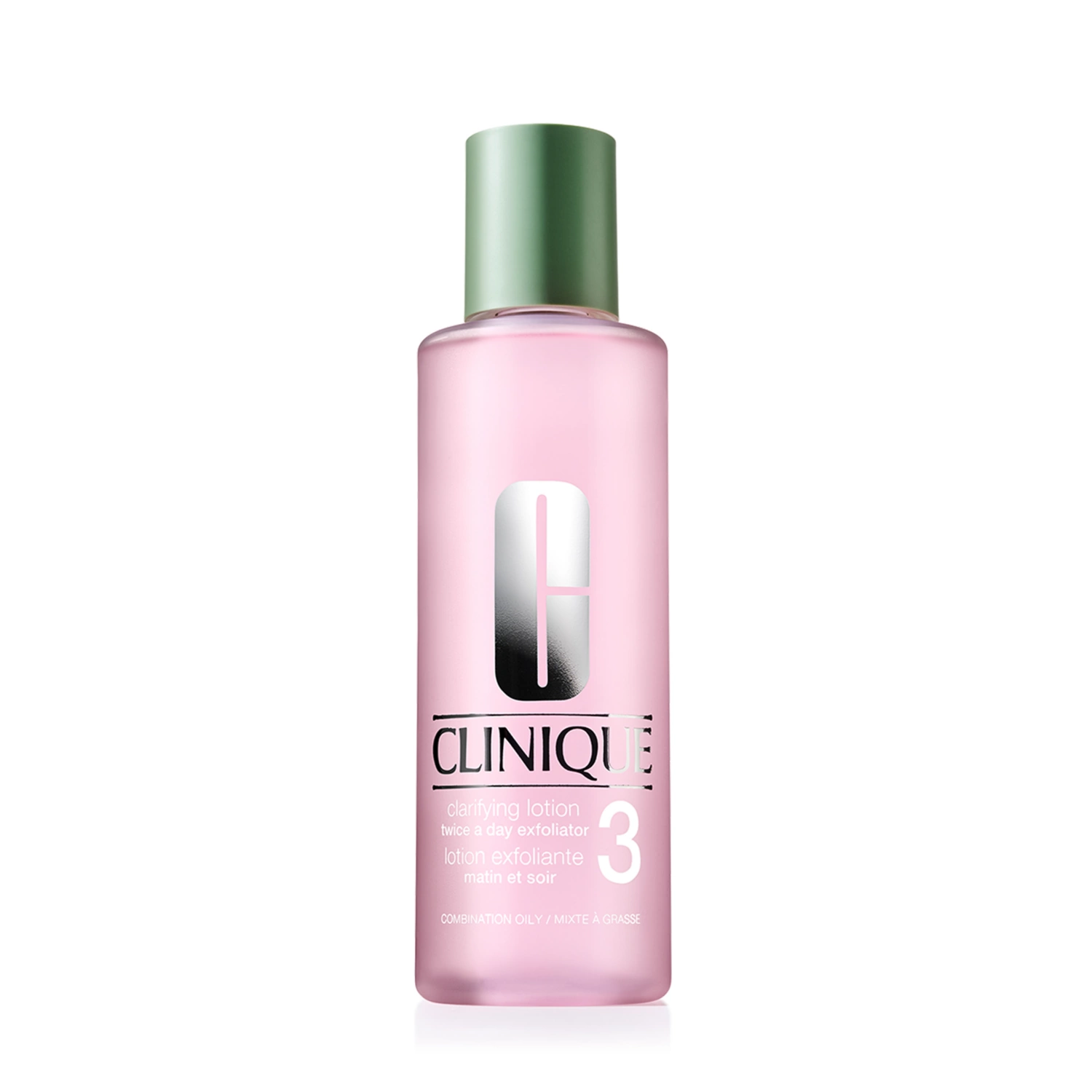
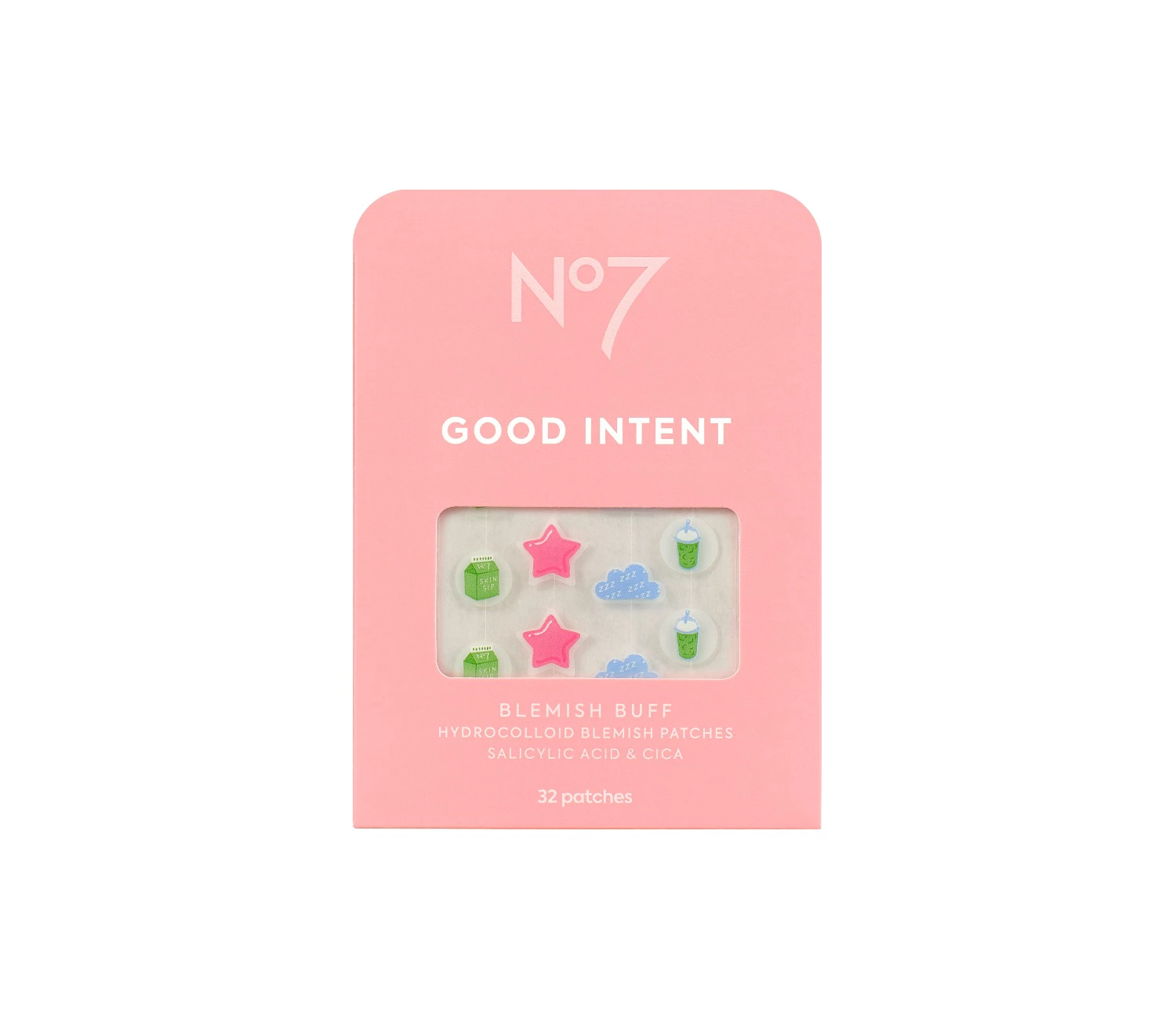
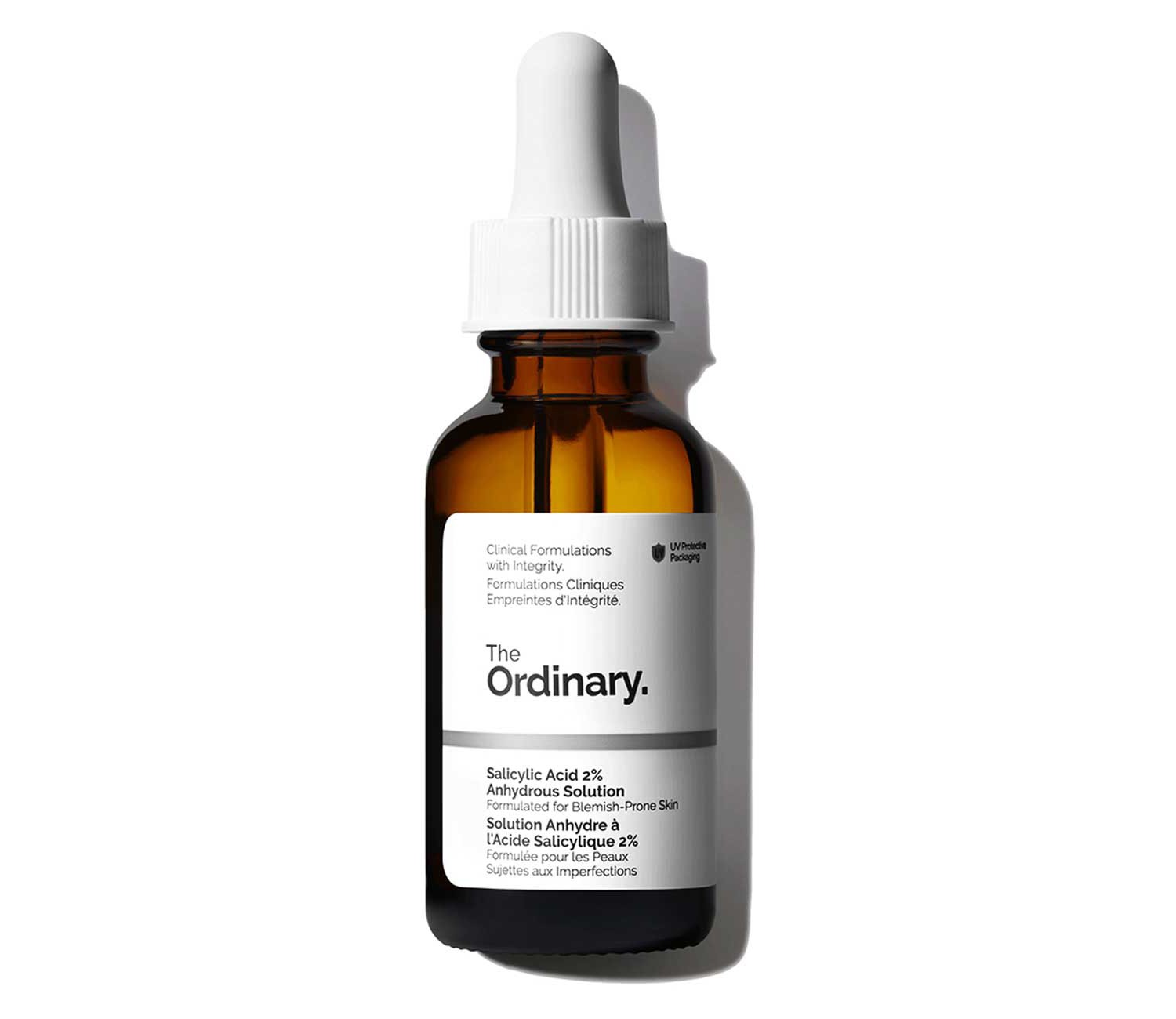
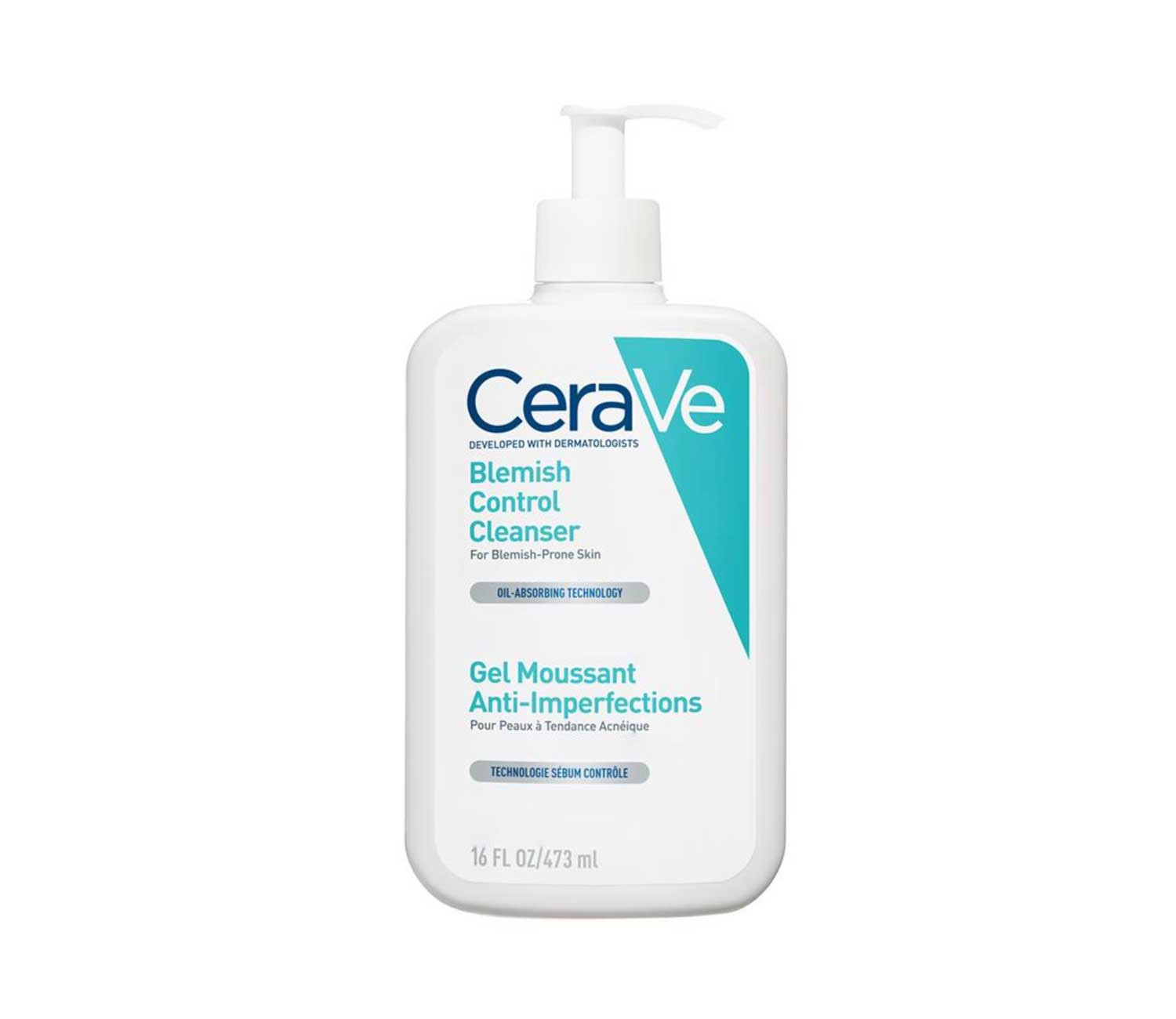
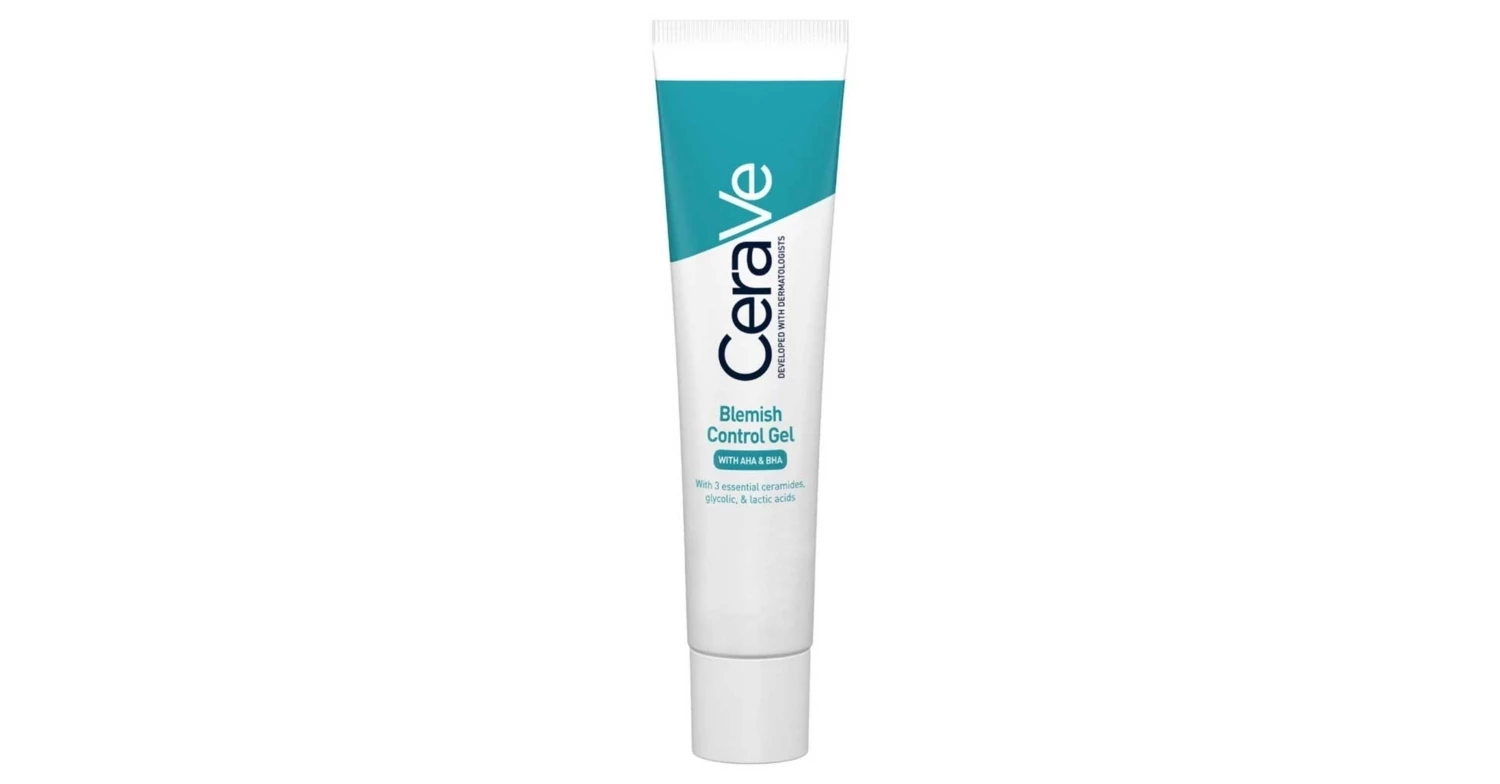
In our catalogue, Salicylic Acid appears in moisturisers, cleansers, serums, skincare and more.
Also listed as
On an ingredients label (INCI), Salicylic Acid may appear as: salicylic acid, capryloyl salicylic acid.
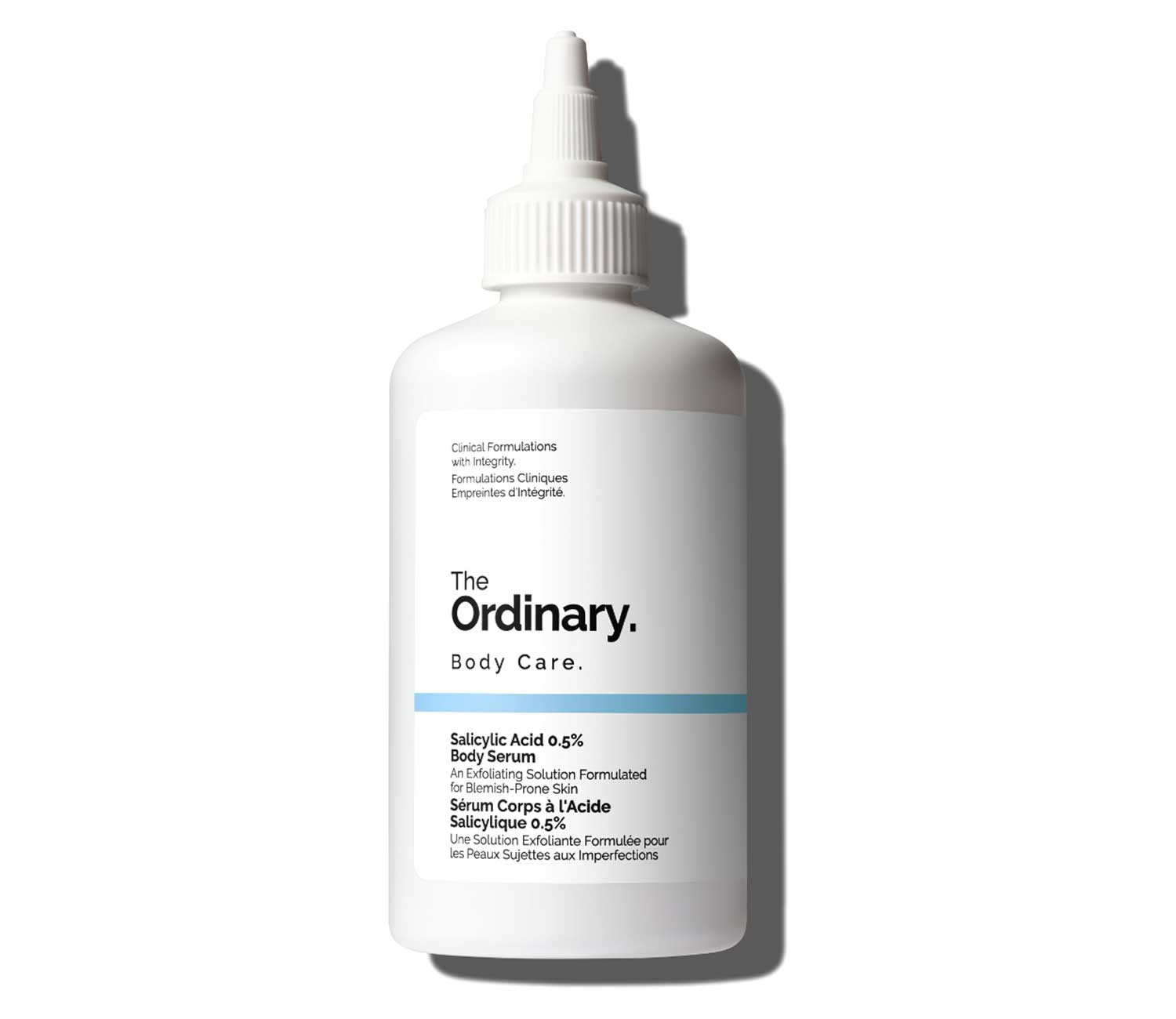
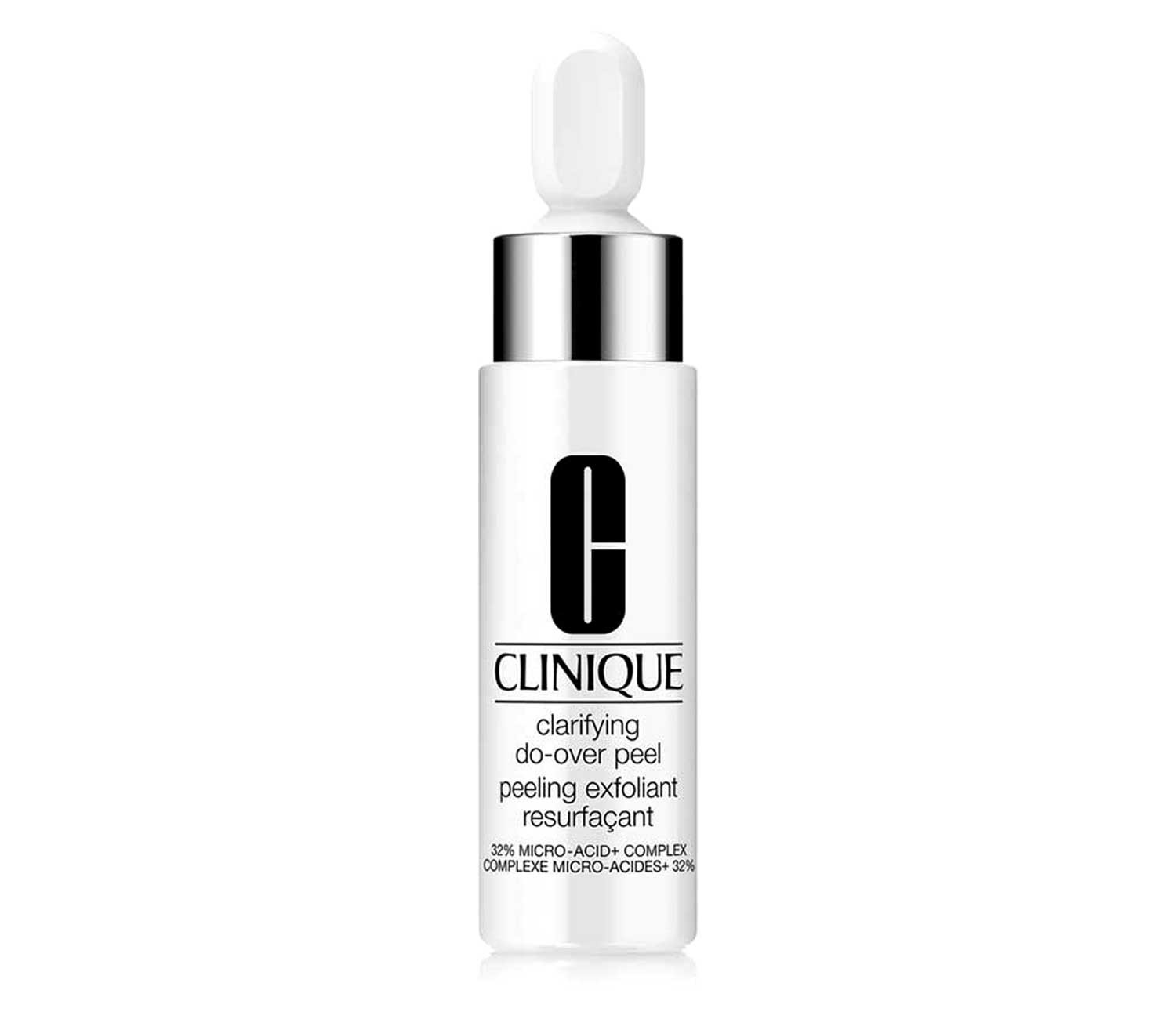
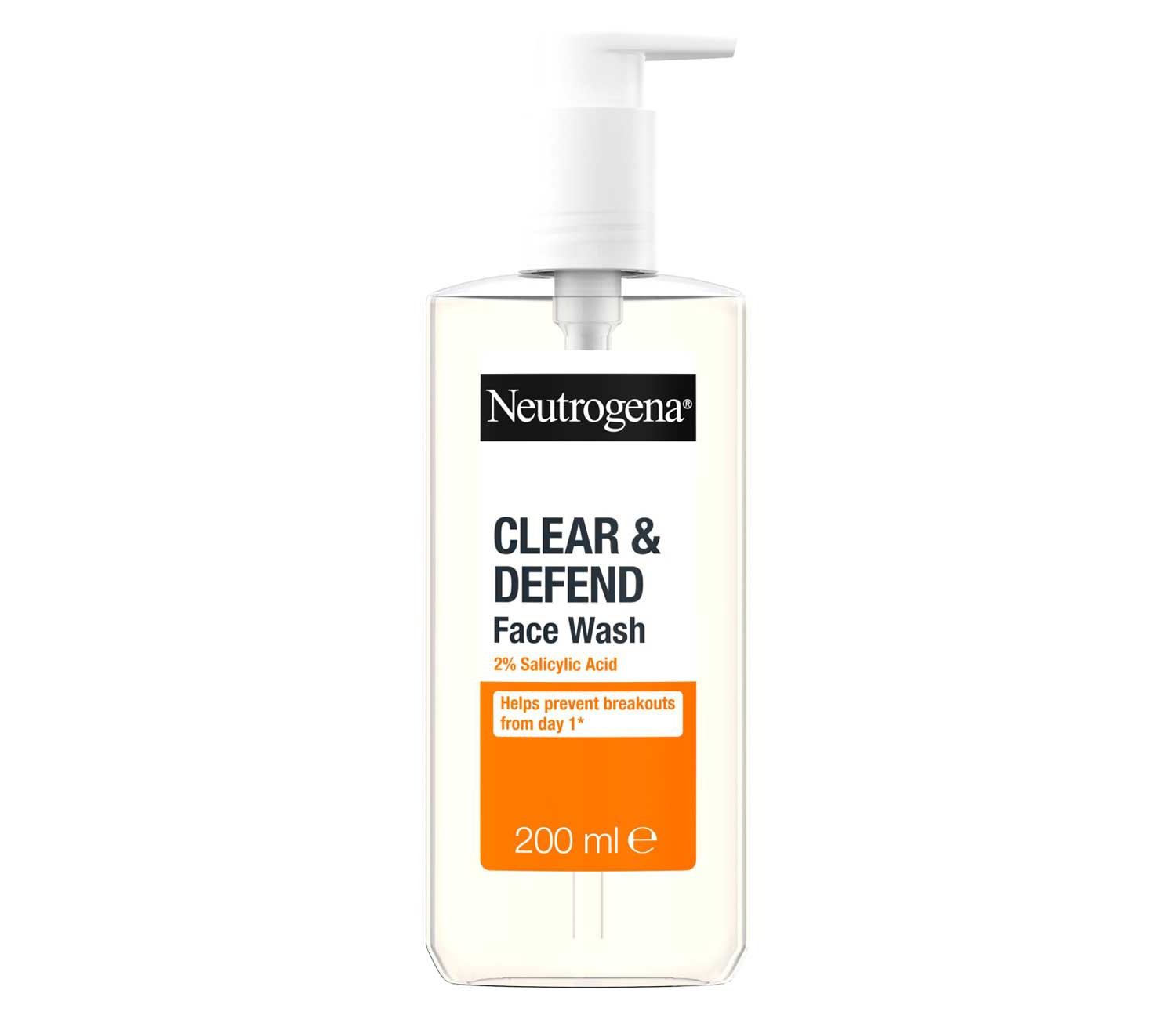
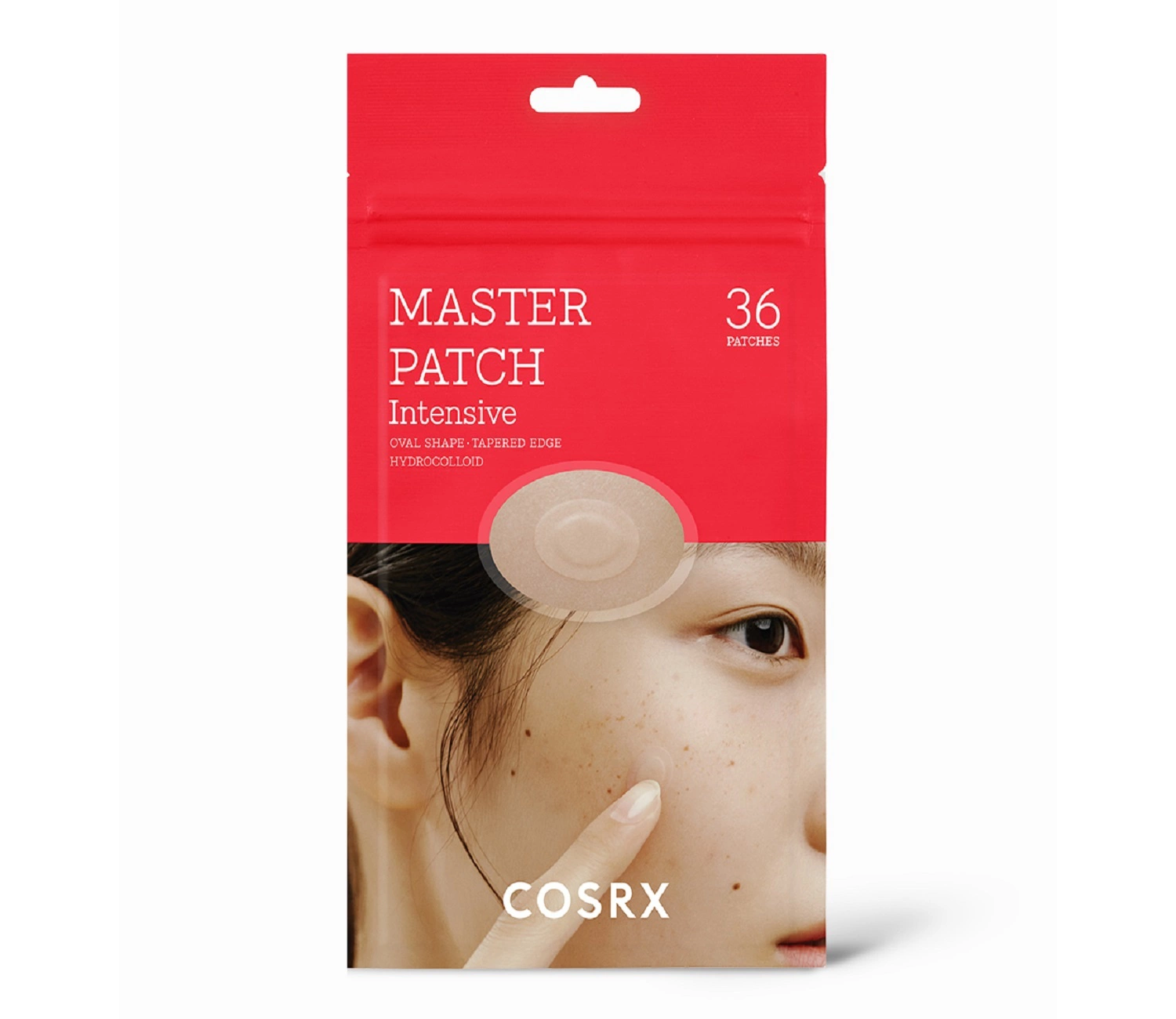
Looking for a product with salicylic acid? See our best salicylic acid products for blemishes, compared by ingredients.
Using salicylic acid with other ingredients
- Can you use retinol and salicylic acid together? — use at different times
- Can you use salicylic acid and niacinamide together? — works well together
- Can you use AHAs and BHA together? — yes, with care
Related ingredients
Common questions about salicylic acid
Is salicylic acid good for blackheads?
Yes. Because it dissolves in oil, it can get inside pores and loosen the build-up that forms blackheads. Expect to use it consistently for several weeks to see a change.
Can I use salicylic acid every day?
Many people can, especially at 0.5–1%. If your skin becomes dry or flaky, cut back to every other day.
Is salicylic acid an AHA or a BHA?
A BHA. AHAs such as glycolic and lactic acid dissolve in water and work on the surface; salicylic acid dissolves in oil and also works inside pores.
Can I use salicylic acid with niacinamide?
Yes. They are often combined in products for oily and breakout-prone skin.
Sources
- Arif T. Salicylic acid as a peeling agent: a comprehensive review. Clin Cosmet Investig Dermatol, 2015.
- Zheng Y et al. Efficacy and safety of 2% supramolecular salicylic acid compared with 5% benzoyl peroxide/0.1% adapalene in the acne treatment. Cutan Ocul Toxicol, 2019.
- Commission Regulation (EU) 2019/1966 amending the Cosmetics Regulation (salicylic acid).
Last reviewed 19 Oct 2026.