Azelaic Acid
Anti-blemish & tone-evening acid
Azelaic acid is a gentle acid that helps keep pores clear, calms the look of redness and fades dark marks. It is used in prescription treatments for acne and rosacea, and in lower strengths in everyday skincare, so it suits skin that is both breakout-prone and easily irritated.
What is Azelaic Acid?
A gentle acid that helps keep pores clear, calms the look of redness and evens out dark marks. Often chosen for blemish-prone and redness-prone skin. It can tingle or itch at first, which usually settles with use.
In skincare terms, Azelaic Acid is an exfoliating ingredient that helps lift away dead surface skin cells, and a soothing ingredient often used to calm the look of redness and sensitivity.
What azelaic acid does
Azelaic acid works in several ways at once: it reduces acne-causing bacteria, calms inflammation, helps stop pores clogging and slows the production of pigment (Schulte 2015). That combination is why it is used for spots, redness and the dark marks that breakouts leave behind (Fitton 1991).
Cosmetic vs prescription strength
In the UK, 15% and 20% azelaic acid creams and gels are prescription medicines for acne and rosacea. Cosmetic products usually contain 10% or less, or use related ingredients. A lower strength can still help with tone and texture but isn't a substitute for treatment of persistent acne or rosacea.
How to use it
- Apply once a day at first, on clean, dry skin, then build to twice a day if your skin is comfortable.
- Follow with a moisturiser and use sunscreen in the daytime.
- Give it 8–12 weeks before judging results.
Side effects
Tingling, itching or mild burning is common in the first couple of weeks and usually settles. If it doesn't, use it less often. Azelaic acid is often suggested as an option during pregnancy, but check with your GP or pharmacist first.
Where you'll find it
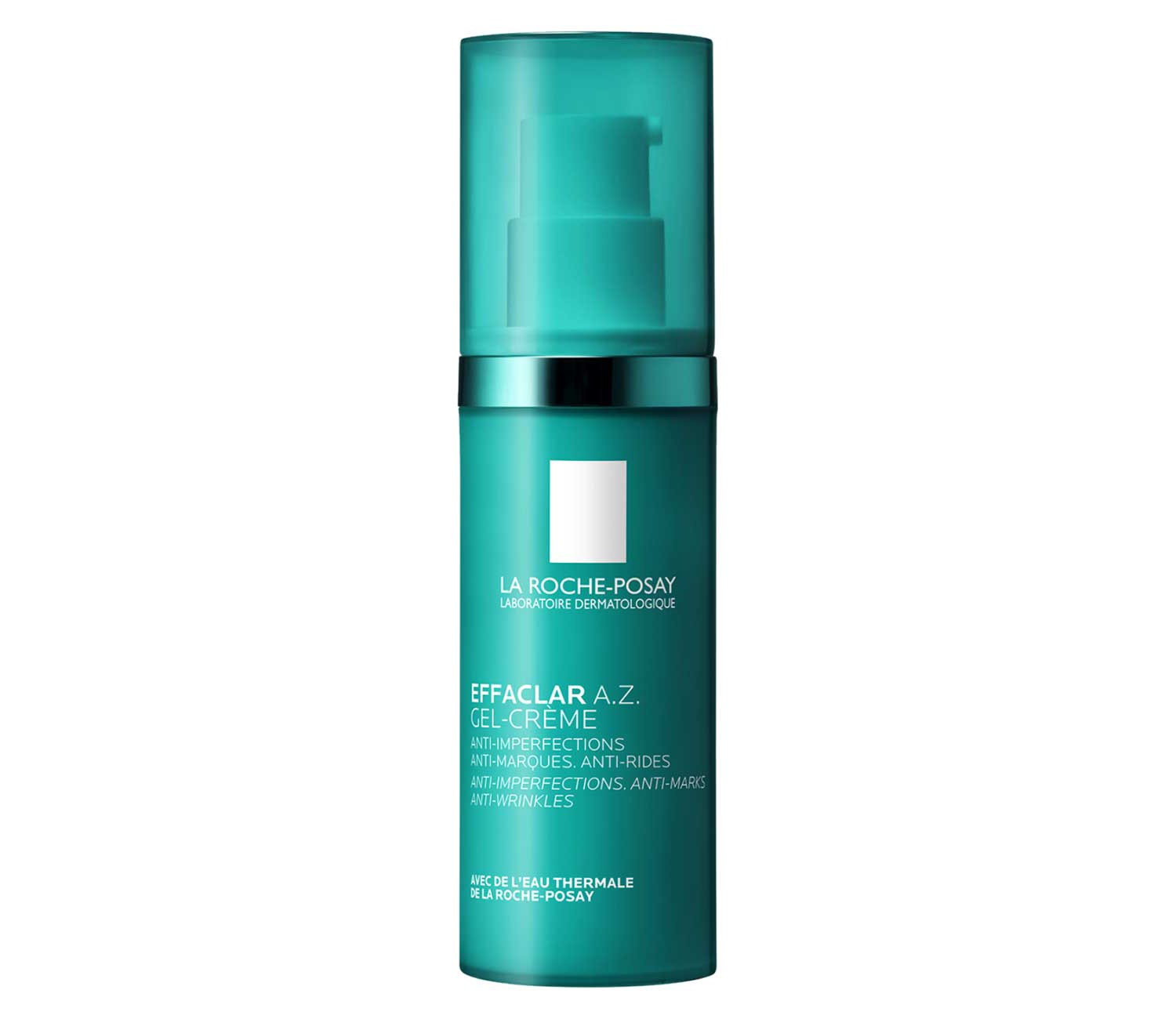
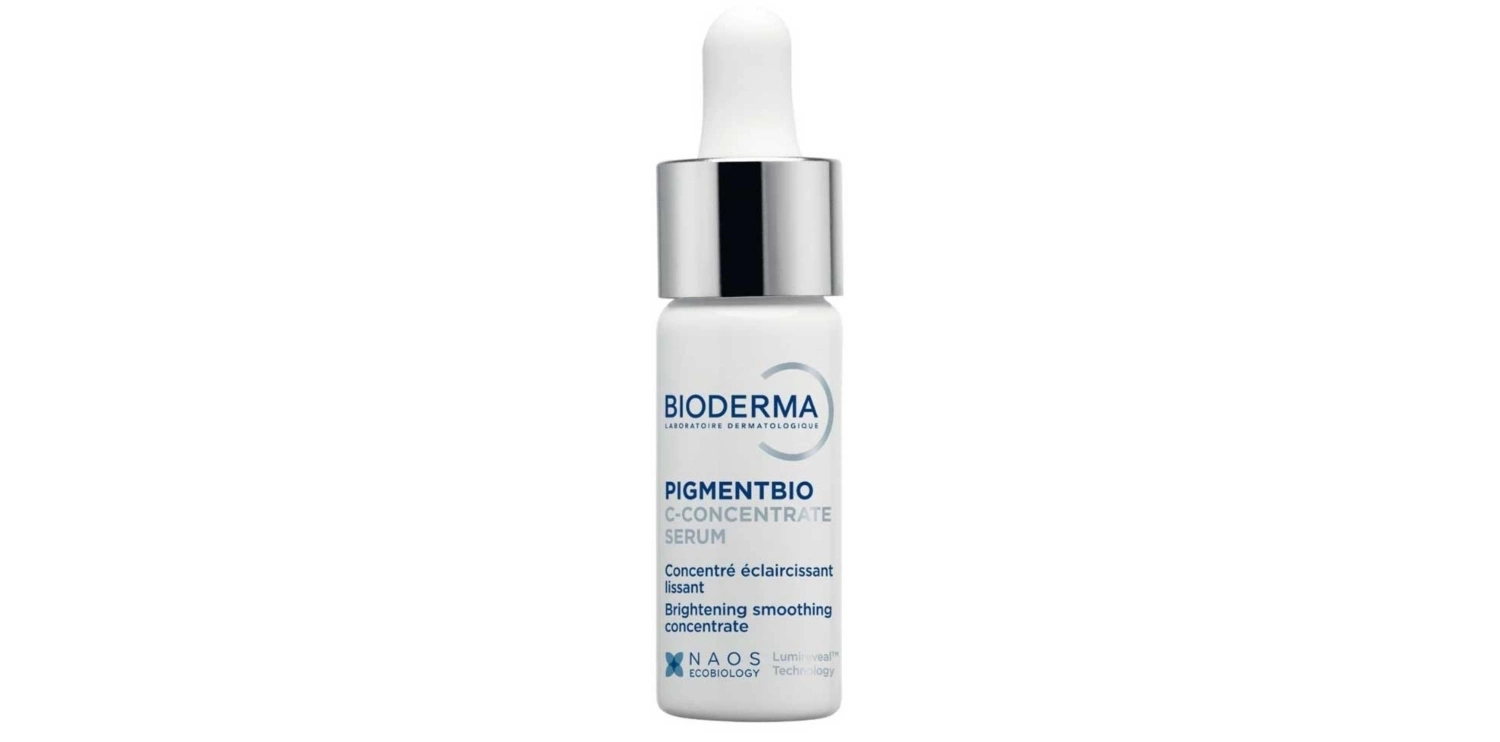
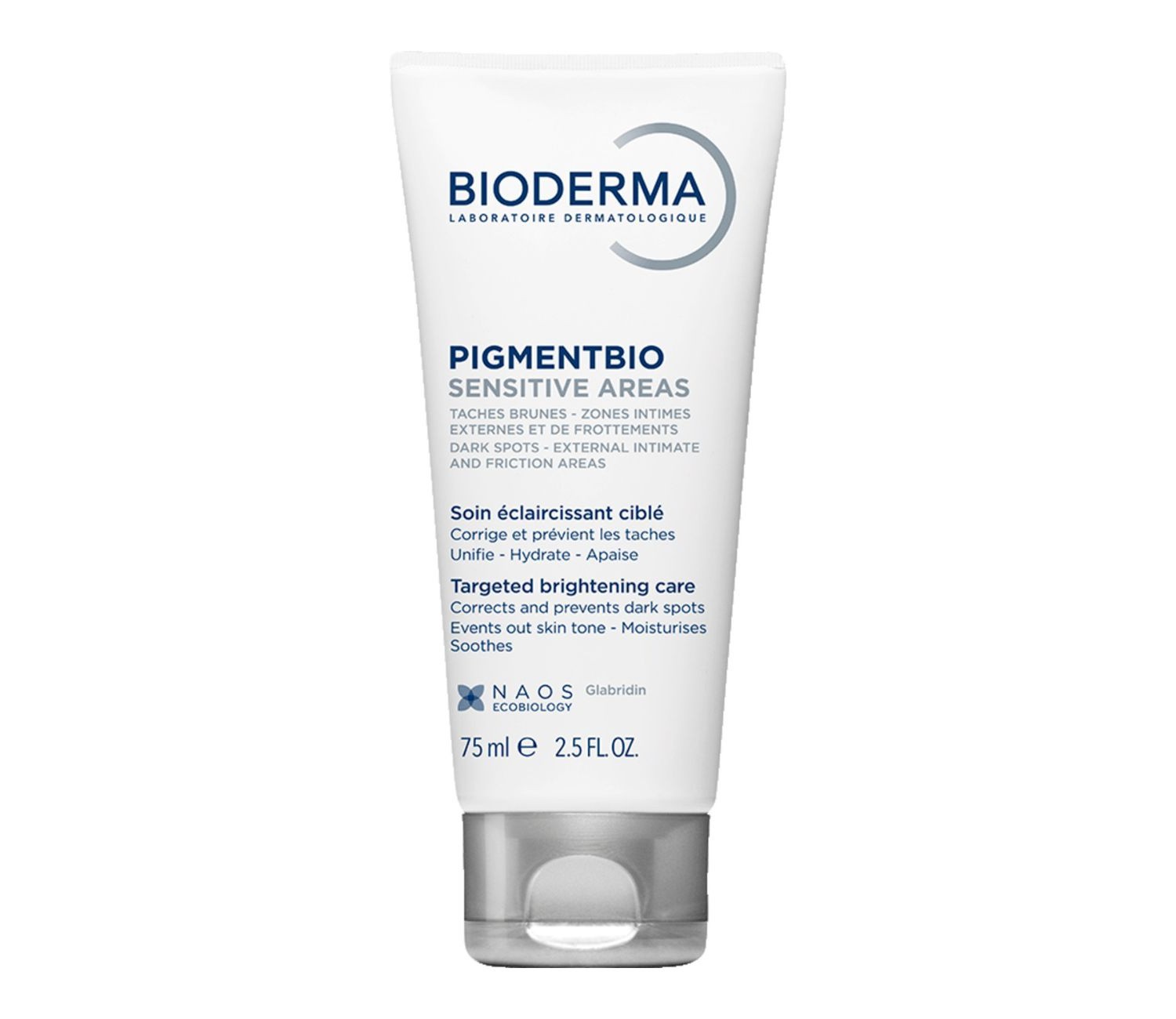
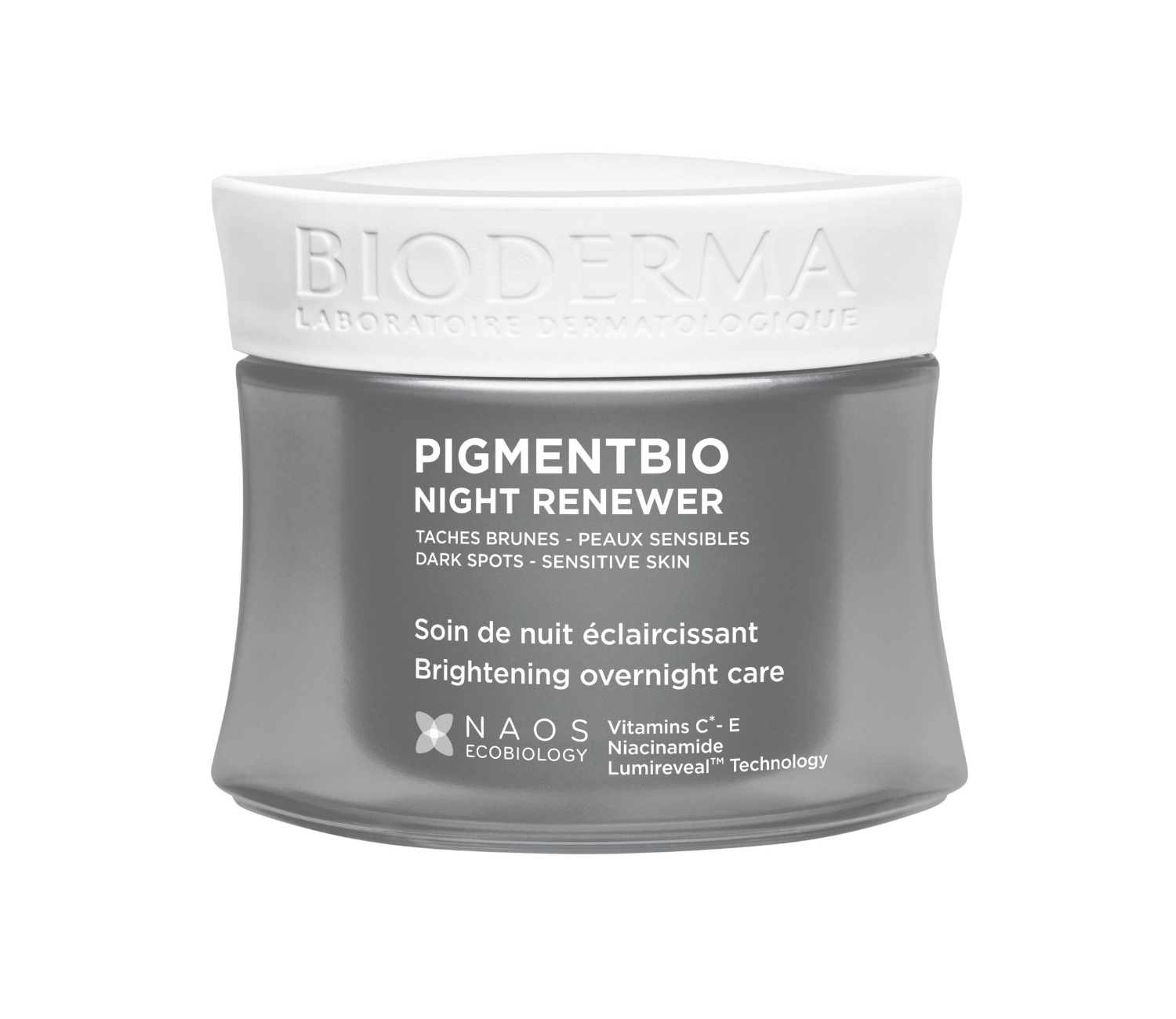
In our catalogue, Azelaic Acid appears in moisturisers, treatments, serums.
Also listed as
On an ingredients label (INCI), Azelaic Acid may appear as: azelaic acid.
Using azelaic acid with other ingredients
- Can you use azelaic acid and niacinamide together? — works well together
- Can you use azelaic acid and retinol together? — yes, with care
Related ingredients
Common questions about azelaic acid
Is azelaic acid good for rosacea?
Prescription azelaic acid is an established rosacea treatment. Cosmetic products may help the look of redness, but see a GP if you think you have rosacea.
Can I use azelaic acid with niacinamide?
Yes. Both suit redness-prone skin and work well together.
Can I use azelaic acid with retinol?
Yes, but introduce them one at a time, and use them at different times of day if your skin gets irritated.
Sources
- Schulte BC et al. Azelaic acid: evidence-based update on mechanism of action and clinical application. J Drugs Dermatol, 2015.
- Fitton A, Goa KL. Azelaic acid. A review of its pharmacological properties and therapeutic efficacy in acne and hyperpigmentary skin disorders. Drugs, 1991.
Last reviewed 19 Oct 2026.